











The Two Failed Extremes
We all know the feeling. A shocking headline appears in your social media feed, or a family member forwards a message on WhatsApp with an urgent, alarming claim. Your choices seem limited. On one hand, you can blindly trust the information, getting outraged
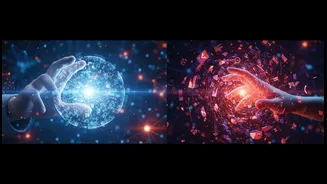
or excited and immediately sharing it. This is the path of credulity, which leaves us vulnerable to misinformation and manipulation. On the other hand, you can dismiss it instantly, assuming everything is fake. This is the path of blanket suspicion or cynicism. While it might feel safer, this approach is also a trap. It leads to disengagement and exhaustion, making it impossible to identify what is genuinely important or true. Neither blind faith nor total cynicism helps us become more informed. They are two sides of the same coin, both preventing us from thoughtfully engaging with the world.
What Exactly Is Provenance Literacy?
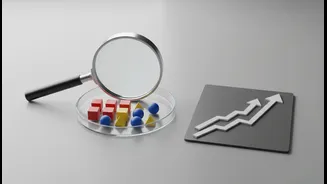
This is where 'provenance literacy' comes in. It sounds academic, but the idea is simple and powerful. 'Provenance' is a word that means origin or source. It’s a term often used for art or historical artifacts to trace their history of ownership. Provenance literacy, then, is the skill of applying that same idea to information. It’s the ability to ask a set of critical questions about any piece of content you encounter: Where did this come from? Who created it and why? How did it get to me? It’s not just about asking if something is 'true' or 'false'. It is about understanding the journey and context of information. This skill moves beyond a simple fact-check to a more holistic understanding of a message. It shifts the focus from just the content to the source and its motivations.
More Than Just Fact-Checking
You might think this sounds like fact-checking, but it’s a crucial evolution of that idea. Traditional fact-checking often happens after a falsehood has already spread widely. Provenance literacy is a proactive habit. It's about developing the instincts to evaluate information before you even decide if it's worth your time and emotional energy. Digital literacy expert Mike Caulfield developed a popular method called SIFT, which stands for Stop, Investigate the source, Find better coverage, and Trace claims back to their original context. This framework encourages a habit known as 'lateral reading' — instead of staying on a page to analyze it, you quickly open other tabs to see what other, more established sources say about the author, the publication, or the claim being made. This approach is designed for the fast-paced online world, helping you make a quick but informed judgment about a source's credibility.
Building Your Provenance Toolkit
Developing this skill doesn’t require a PhD in media studies. It’s about building a few simple, repeatable habits. First, always pause before you share. Emotional headlines are often designed to make you react impulsively. Taking a moment to breathe is your first line of defence. Second, investigate the source. Is it a well-known news organization with a reputation to protect, or a brand new site with an agenda? A quick search can reveal a lot. Third, look for the original source. If a post talks about a new study, find the study itself. If a video shows a dramatic event, look for the original, longer clip, which might provide crucial context. Finally, consider the motive. Why was this content created? Is it to inform, to persuade, to entertain, or to sell you something? Understanding the 'why' is often as important as understanding the 'what'.
A Crucial Skill for Modern India
In the vibrant and often chaotic information landscape of modern India, provenance literacy is not just a nice-to-have skill; it's essential for active citizenship. From navigating political news during election cycles to making sense of public health announcements and filtering out commercial scams disguised as news, the ability to trace information to its source is empowering. It allows us to participate in conversations in a more meaningful way, armed not with knee-jerk reactions, but with considered judgment. By moving past the binary choice of total trust or complete distrust, we can become smarter consumers of media, better-informed citizens, and more reliable sources of information for our own friends and families. It is the key to building a more resilient and less polarized society, one informed citizen at a time.