




The Backlash Against Quick Fixes
The morning rush in urban India made packaged Western-style breakfasts seem like a perfect solution. They were quick, easy, and marketed as healthy. However, a growing awareness has begun to shift this perception. Many of these convenient options, from
sugary cereals to refined flour bread, are ultra-processed and loaded with hidden sugars and preservatives. This can lead to rapid blood sugar spikes followed by energy crashes, leaving you feeling sluggish long before lunchtime. As people become more health-conscious, they are questioning the trade-off between convenience and nutrition, looking for morning meals that fuel their day without compromising their well-being.
Rediscovering Nutritional Wisdom
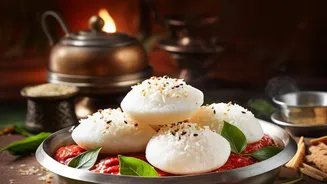
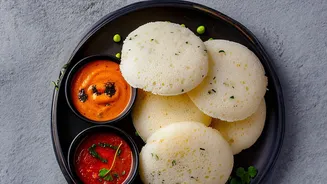
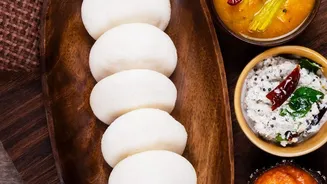
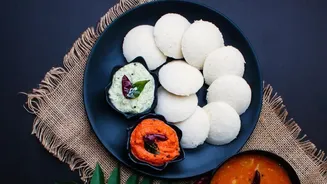
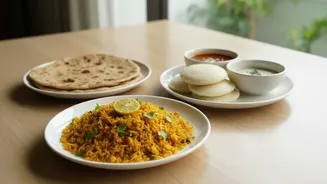
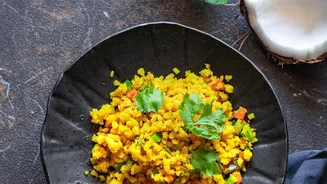
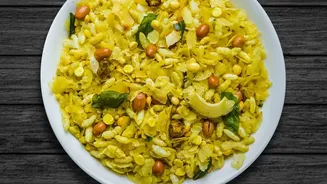
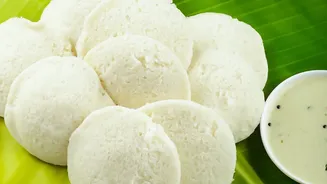
The return to traditional breakfasts is a return to nutrient-dense, whole foods. Take poha, or flattened rice. Far from being a simple carbohydrate, it is a nutritional powerhouse. It is rich in iron, provides a steady release of energy, and is naturally gluten-free. Crucially, the process of making poha involves a light fermentation, which makes it a good probiotic food that supports gut health. Similarly, the humble idli, made from a fermented batter of rice and urad dal, is a superstar of digestive wellness. The fermentation process not only enriches it with gut-friendly bacteria but also makes the nutrients easier to absorb. Being steamed, idlis are low in fat and calories, offering a perfect balance of protein and carbs to keep you full and energized.
Gut Instincts and Good Bacteria
One of the biggest drivers of this breakfast revival is the global conversation around gut health. A healthy gut microbiome is linked to everything from a strong immune system to better mental clarity. Traditional Indian breakfasts like idli, dosa, and dhokla are naturally rich in probiotics due to fermentation. These live microorganisms help maintain a healthy balance of gut bacteria. Even poha, though cooked, acts as a valuable prebiotic—a type of fiber that feeds the good bacteria already in your gut. In contrast to processed foods that can disrupt the digestive system, these traditional meals actively nurture it, promoting better digestion and overall health from the very start of the day.
A Taste of Home and Heritage
This shift is about more than just nutrients; it's also a cultural reclamation. For many, the taste of poha tempered with mustard seeds or a soft idli dipped in sambar is the taste of home. These are foods linked to comfort, family, and a sense of identity. In an age where Western wellness trends often dominate social media, choosing to eat a traditional breakfast is a quiet assertion that healthy eating doesn't have a single, universal look. Nutritionists agree, pointing out that local, culturally familiar foods that have been consumed for generations are often inherently balanced and suited to our bodies. It's a move away from chasing foreign superfoods and a rediscovery of the superfoods that have always been in our own kitchens.
Making It Work for Modern Life
The comeback of traditional breakfasts doesn't mean a return to long hours in the kitchen. Urban households are finding smart ways to adapt. Idli and dosa batter can be prepared over the weekend for quick steaming on weekday mornings. Poha, famously, can be cooked in minutes. Nutrition experts suggest simple upgrades to make these meals even more complete: adding plenty of vegetables and peanuts to poha, for instance, boosts its fiber and micronutrient content. Pairing idlis with a generous serving of vegetable-rich sambar turns a simple dish into a fully balanced meal with carbs, protein, and fiber. This blend of tradition and practicality allows busy families to enjoy wholesome, satisfying meals without sacrificing their modern schedules.