


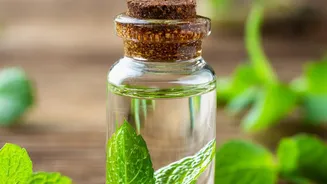
Embracing the Zero-Waste Kitchen
The idea of a zero-waste kitchen is gaining momentum, and for good reason. It's not just about environmental consciousness; it's about being resourceful and getting the most value from your groceries. Herb stems, often discarded, are a prime example of untapped
potential. Instead of ending up in the compost bin, these flavourful parts of the plant can be given a second life. By turning them into infused oils, you’re not only preventing waste but also creating a premium pantry staple for a fraction of the cost of store-bought versions. It’s a simple, sustainable practice that adds a gourmet touch to your everyday cooking.
The Hidden Flavour in Stems
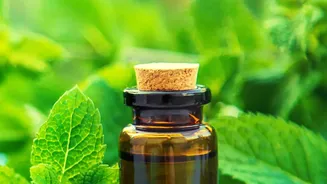
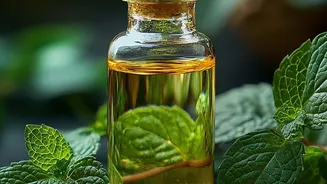
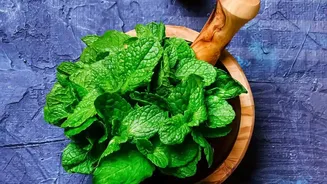
Many people are surprised to learn that coriander and mint stems are intensely aromatic. In fact, the stems of coriander (also known as cilantro) often contain a deeper, more potent flavour than the delicate leaves. The bright, citrusy, and slightly peppery notes are all concentrated in the stalks. Similarly, mint stems carry the same cooling, refreshing essence as the leaves. Using these stems for infusions allows you to capture their robust character in a way that’s perfect for cooking. The oil acts as a carrier, extracting the essential oils and flavour compounds, resulting in a versatile ingredient that can elevate numerous dishes.
A Crucial Note on Food Safety
Before you begin, it's vital to understand the food safety risks associated with homemade infused oils. Fresh herbs and vegetables contain moisture and can carry spores of Clostridium botulinum. When submerged in oil—an oxygen-free environment—these spores can multiply at room temperature and produce toxins that cause botulism, a serious illness. For this reason, oils infused with fresh ingredients must be handled correctly. The safest method is to use the oil immediately or store it in the refrigerator for no more than four days. Never store fresh-infused oils at room temperature. For longer-term storage, the herbs must be properly dried or acidified first, a more complex process best left to those following specific, tested recipes from food safety authorities.
How to Make Your Herb-Infused Oil
This quick-use method is simple and safe for immediate consumption or short-term refrigeration. First, gather your coriander and mint stems. Wash them thoroughly and, most importantly, pat them completely dry. Any excess water can encourage bacterial growth and cause the oil to spoil faster. Roughly chop the stems to help release more of their flavour. For every cup of neutral-flavoured oil (like grapeseed, sunflower, or a light olive oil), use a generous handful of chopped stems. Gently heat the oil in a saucepan over low heat. Do not let it simmer or smoke. Add the chopped stems and let them infuse in the warm oil for 5 to 10 minutes, stirring occasionally. The goal is to gently warm the herbs, not to fry them. Remove the pan from the heat and let it cool completely.
Straining and Storing Your Creation
Once the oil has cooled to room temperature, it’s time to strain out the herbs. Pour the oil through a fine-mesh sieve or a cheesecloth-lined funnel into a clean, sterilised glass bottle or jar. Press gently on the stems to extract all the flavourful oil. Make sure your container is completely dry before filling it. Label the bottle with the contents and the date it was made. Immediately place your finished oil in the refrigerator. Remember the safety rule: use it within four days to be safe. If you notice any cloudiness, bubbling, or off-smells, discard it immediately. Freezing is another option for longer-term storage.
Ways to Use Your Flavourful Oils
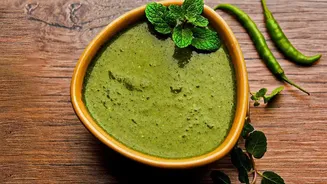
Your homemade coriander and mint oils are incredibly versatile. The coriander oil, with its bright and zesty profile, is perfect for drizzling over tacos, grilled chicken, or roasted vegetables. It makes a fantastic base for a salad dressing or a marinade for fish. The mint oil is wonderfully refreshing. Use it to dress a simple cucumber and tomato salad, drizzle it over lamb chops, or add a few drops to a bowl of soup for a burst of freshness. You can also blend it into yoghurt with a pinch of salt to create a quick, flavourful dip. These oils are best used as a finishing touch to preserve their delicate flavours, which can be lost with high heat.