




Perfect Weather and Lush Landscapes
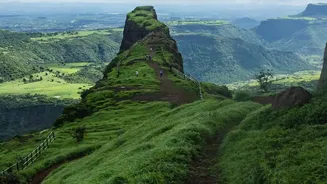
September marks the graceful exit of the monsoon, leaving behind a refreshed and rejuvenated landscape. Across the country, temperatures become milder and more pleasant, a welcome respite from the summer heat and monsoon humidity. Daytime highs in many
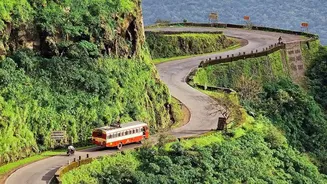
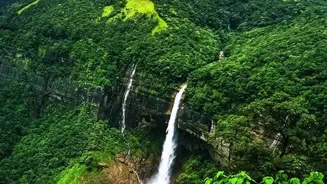
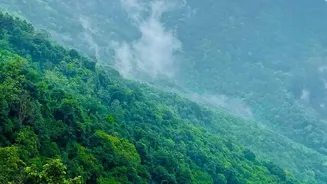
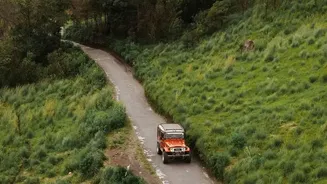
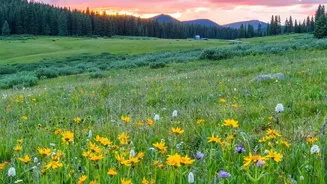
popular destinations hover in a comfortable range, making sightseeing a joy. The post-monsoon period is when India is at its most green and vibrant. Hills and valleys are draped in fresh foliage, waterfalls are at their most powerful, and lakes and rivers are full. This makes it an ideal time for nature lovers and photographers to capture the country at its scenic best, from the rolling hills of the Western Ghats to the verdant plains of the north.
The 'Shoulder Season' Sweet Spot
Travel experts call the period between the peak and off-peak seasons the 'shoulder season', and September-October is India’s prime example. The biggest advantage? Fewer tourists. Popular spots that are usually overrun with visitors are quieter, allowing for a more authentic and relaxed experience. This lull also translates into significant savings. Airlines and hotels often offer attractive discounts to entice travellers before the peak winter season kicks in. You can find better deals on accommodation, flights, and even local activities, making your budget stretch further without compromising on the experience.
A Season of Vibrant Festivals
These two months are brimming with cultural and religious festivities, offering a spectacular glimpse into India's rich traditions. The festive calendar for 2026 is particularly packed. September begins with Ganesh Chaturthi on September 14th, celebrated with immense enthusiasm, especially in Maharashtra. October ushers in Navratri, a nine-night festival of dance and devotion, starting around October 11th. This is followed by Durga Puja, a grand five-day event in West Bengal from October 16-21, and Dussehra on October 20th, which is celebrated nationwide. Experiencing these festivals, with their vibrant processions, music, and food, can be a travel highlight in itself.
Adventure Beckons in the Himalayas
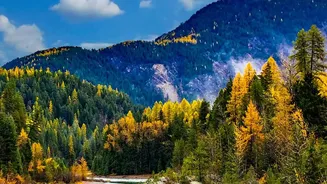
For trekking enthusiasts and mountain lovers, the post-monsoon period is a golden opportunity. The skies over the Himalayas clear up, offering crisp, panoramic views of the snow-capped peaks. The air is fresh, and the trails in places like Himachal Pradesh and Uttarakhand, which were challenging during the rains, become accessible again. Destinations like Spiti Valley offer a final window for exploration before winter snows make the region inaccessible. Whether you're looking for a challenging trek, a serene spiritual retreat in Rishikesh, or simply want to enjoy the mountain views from places like Shimla or Darjeeling, October provides the perfect conditions.
Wildlife Safaris Resume
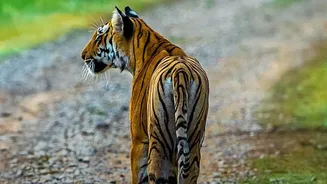
Most of India's major national parks and tiger reserves, which remain closed during the monsoon from July to September, reopen their gates in October. Parks like Ranthambore, Kanha, Bandhavgarh, and Jim Corbett welcome visitors starting from October 1st or mid-October. The forests are lush and green after the rains, and water sources are plentiful, making it a beautiful time for a safari. The reopening of these parks marks the beginning of the wildlife season, and animal sightings can be excellent as they are often more active, with tigers frequently re-establishing their territories after the monsoon rains have washed away their scent markings.