









A Critical Test of Patience
For millions of farmers across the northern and central plains, the onset of the monsoon isn't just a weather event—it's the starting gun for the crucial Kharif sowing season. This period determines the fate of staple crops like paddy (rice), soybean,
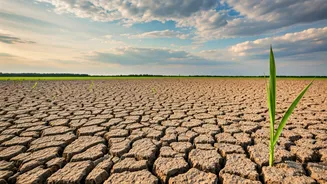
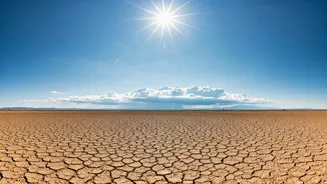
cotton, and maize, directly impacting rural incomes and national food security. However, this year, meteorologists and agricultural scientists are cautioning against acting on the initial, often misleading, pre-monsoon showers. They warn that the soil currently lacks the deep, sustained moisture required for healthy seed germination. Sowing now, based on a few days of rain, could be a costly gamble that fails to pay off.
The High Cost of Sowing Too Soon
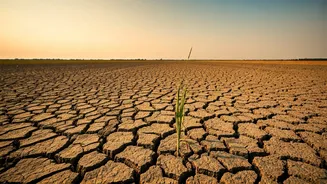
The danger of a 'false start' is very real and has devastating financial consequences. If farmers sow their seeds and the rain subsides for an extended dry spell, the operation can fail completely. The seeds, which represent a significant upfront investment, may fail to germinate in the insufficiently moist soil. Even if they do sprout, the young saplings are extremely vulnerable. Without follow-up rains to sustain them, they can wither and die within days, a phenomenon known as 'seedling mortality'. This forces farmers into a difficult position: either they lose their entire initial investment in seeds, fertiliser, and labour, or they must bear the heavy cost of re-sowing the entire field, doubling their expenses before the season has even truly begun.
What the Weather Experts Are Seeing
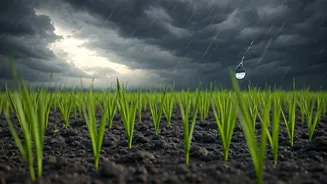
The advice to delay is based on detailed forecasts from the India Meteorological Department (IMD) and other regional weather bodies. While conditions are becoming favourable for the monsoon's advance, the system needs time to establish itself fully over the plains. Forecasters are looking for a consistent pattern of moisture-laden winds and widespread, heavy rainfall, not just isolated thunderstorms. The current advisories suggest holding off until the region receives at least 100-125 mm of rainfall over a concentrated period. This amount is generally considered sufficient to charge the soil profile with enough moisture to support a new crop through its initial growth phase, even if there is a short break in rainfall later. The consensus is that the true, sowing-worthy monsoon rains are expected to arrive in force soon, making a short wait the most prudent strategy.
Guidance for Key Kharif Crops
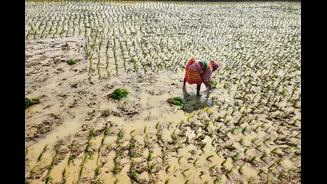
The advisory applies to nearly all major Kharif crops, but is particularly critical for some. Paddy, a water-intensive crop, should only be transplanted into fields that are thoroughly puddled and submerged, which is impossible without sustained, heavy rain. For rain-fed crops like soybean, maize, and cotton, sowing in dry soil is a recipe for failure. Experts from agricultural universities recommend that farmers use this waiting period productively. This is the ideal time to complete field preparations, treat seeds with fungicides and bio-fertilisers to protect against disease, and ensure all necessary inputs are ready. By preparing everything in advance, farmers can execute sowing operations quickly and efficiently the moment the ideal weather window opens.
Making the Right Call
Ultimately, the decision rests with the individual farmer, but the collective wisdom of science and experience points towards patience. The financial health of a farming household can hinge on this single decision. Resisting the urge to sow after the first light rains and waiting for the confirmed arrival of the monsoon significantly reduces the risk of catastrophic seed failure and the need for costly re-sowing. Local Krishi Vigyan Kendras (KVKs) and state agriculture departments are the best resources for hyper-local advice. They can provide specific guidance on soil moisture levels and the optimal time to begin sowing in your specific area.