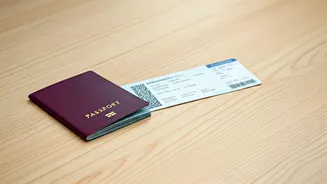






The Ticket vs. The Document
A travel ticket has a single, fleeting purpose: to get you on a plane, train, or bus. Its value evaporates the moment your journey begins. Your passport and visas, however, are your identity for the entire trip. A lost ticket is an inconvenience, often
solved with a quick visit to a counter or a few taps on an app. A lost passport in a foreign country is a crisis. It means dealing with local police to file a report, contacting the Indian Embassy for an emergency certificate or a replacement, and potentially facing significant delays and expenses. Your passport is not just a travel document; it is a government-issued proof of your citizenship, your legal right to be in a country, and your key to returning home.
Digital Fortresses: Your First Line of Defence
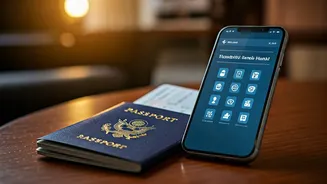
In an increasingly digital world, your phone can be your most powerful tool for document safety. Before you even leave home, create a digital backup of everything. This includes your passport's front and back pages, any relevant visas, your driver's license, and travel insurance details. Store these files in a secure cloud service like Google Drive or Dropbox. For domestic travel within India, the government's DigiLocker platform is a game-changer. Documents like Aadhaar, PAN, and driving licenses stored in the 'Issued Documents' section of DigiLocker are accepted as valid ID proof at airports and railway stations, reducing the need to carry physical originals. This digital-first approach means that even if the physical copies are lost or stolen, you have accessible proof to begin the recovery process.
Old-School Rules Still Apply
Technology is great, but it shouldn't be your only backup plan. Physical copies remain essential. The Ministry of External Affairs advises travellers to make photocopies of their passport, visa pages, and other critical documents. The key is to store these copies separately from the originals. Keep a set in your checked luggage while the originals are in your carry-on or on your person. It's also a wise practice to leave a complete set of copies with a trusted family member or friend back home. If you find yourself in a situation where all your belongings are gone, that contact person can be a lifeline, quickly sending you the information you need to engage with the local Indian embassy or consulate.
The Pre-Travel Document Audit
The most effective way to manage your documents is to get organised long before your departure date. Many countries require your passport to be valid for at least six months from your date of entry and have at least two blank pages. An expiring passport or one full of stamps can lead to a denial of boarding or entry. Check the visa requirements for your destination and any transit countries well in advance. Some visa application processes can be lengthy. Ensure the name on your ticket is an exact match to the name on your passport to avoid any issues at check-in or immigration. A thorough pre-travel audit of your documents turns potential last-minute panic into a calm, organised departure.
On the Go: Active Safeguarding
Once you're travelling, active vigilance is key. Avoid stashing your passport in an easily accessible outer pocket of a backpack, which can be a target for pickpockets. A money belt worn under your clothes or a travel wallet with RFID-blocking technology can offer enhanced security. When in your hotel, use the room safe to store your passport and other valuables. Always be mindful of your surroundings, especially in crowded tourist areas. This mindset—treating your passport with the same constant awareness you give your wallet or phone—is the final piece of the puzzle. It transforms document management from a chore into a simple, trip-saving habit.