
Croatia's sun-drenched coast is no secret. But beyond the iconic, crowded walls of its famous cruise-ship ports lies a different country—one that feels slower, richer, and perhaps a little more real. What do you find when you trade the crowds for quiet?
The Problem with Popularity
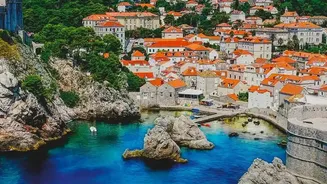
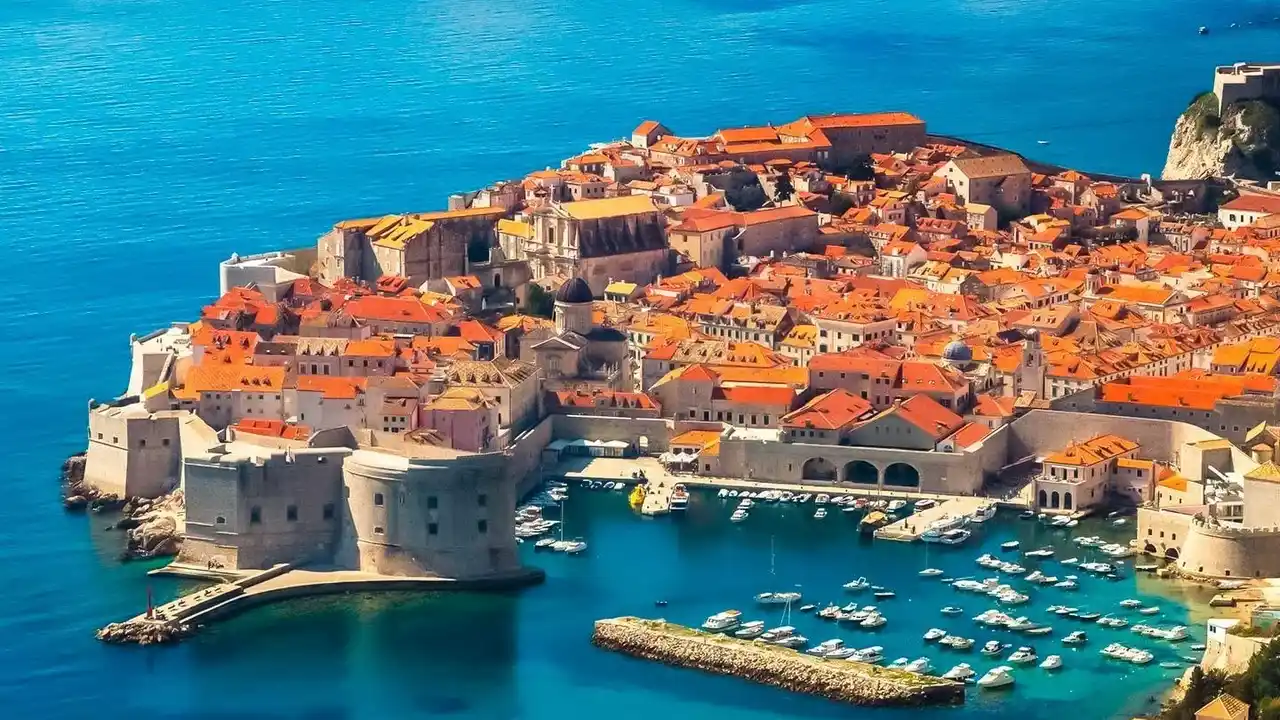
Picture Dubrovnik. You're likely imagining the stunning medieval walls and terracotta roofs made famous by 'Game of Thrones'. Now, picture it with thousands of other people, all pouring out of massive cruise ships at the same time. The reality of visiting Croatia's major hubs like Dubrovnik and Split during peak season can be one of overwhelming crowds, inflated prices, and a feeling that the city has been transformed into a theme park. The historic streets, while beautiful, can become bottlenecks of tour groups, and the quiet cafes are often replaced by souvenir shops. While these cities are undeniably magnificent, the sheer volume of daily visitors often makes it difficult to connect with the place in a meaningful way. Cities have implemented measures like limiting cruise ships and introducing tourist taxes to manage the flow, but the pressure remains.
The Charm of the Uncrowded Coast
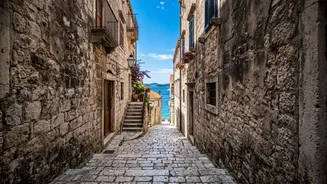
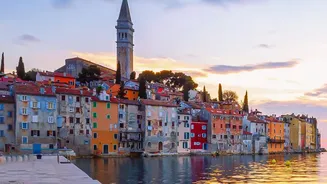
Now, consider Šibenik. Just an hour up the coast from Split, it's the oldest native Croatian town on the Adriatic, yet it is often overlooked. Here, you'll find not one, but two UNESCO World Heritage sites, including the magnificent Cathedral of St. James. The old town is a labyrinth of honey-coloured stone alleys and staircases, leading to four Venetian fortresses that offer stunning views without the crush of people. The waterfront promenade is lined with relaxed cafes where locals outnumber tourists, embodying the Dalmatian ethos of 'fjaka'—the art of doing nothing and simply enjoying the moment. Šibenik offers the same Adriatic beauty, rich history, and delicious food as its more famous neighbours, but with a sense of calm and local authenticity that feels like a discovery.
Treasures Beyond the Shoreline
The soul of Croatia extends far beyond its celebrated coastline. Venture inland to the peninsula of Istria, often called the 'Croatian Tuscany', and you'll find hilltop towns like Motovun. This medieval fortress town rises dramatically from the Mirna Valley, a landscape famous for one of the world's great culinary treasures: the white truffle. Instead of navigating crowds, a day here might involve joining a truffle hunt with a local family and their trained dogs, followed by a tasting of fresh pasta topped with the prized fungus. The region is a haven for food lovers, with winding roads connecting vineyards producing local Malvasia and Teran wines. It’s a sensory experience, grounded in the land and its traditions, far removed from the commercial polish of the major ports.
The Island of 'Pomalo'
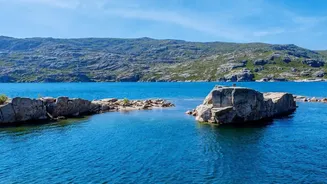
Even among the islands, there's a world of difference. While some have become magnets for party yachts, others retain a quiet, untouched feel. Take Vis, the most remote of the main Dalmatian islands. Closed to foreigners as a military base until 1989, it escaped the rapid development of tourism seen elsewhere. The result is an island that moves at its own pace, a lifestyle the locals call 'pomalo', or 'taking it easy'. Life revolves around fishing harbours like Komiža, pristine and often hidden beaches such as Stiniva Cove, and family-run 'konobas' (taverns) serving fresh seafood and the island’s unique Vugava wine. Exploring Vis means discovering abandoned military tunnels, pristine coves accessible only by boat, and a profound sense of peace.
Finding the Real Connection
Ultimately, the search for 'authenticity' in travel is about connection—with a place, its history, and its people. In the major cruise hubs, that connection is often obscured by the machinery of mass tourism. Shops and restaurants can start to feel generic, catering to a transient audience. In a smaller town like Šibenik, or on an island like Vis, the scale is more human. You're more likely to have a conversation with the owner of the restaurant you're eating in, to buy produce from the person who grew it at the local market, or to find yourself on a quiet beach with just a few other families. It’s in these unscripted, uncrowded moments that the true spirit of Croatia reveals itself.