


Meet Shokupan, Your New Favourite Bread
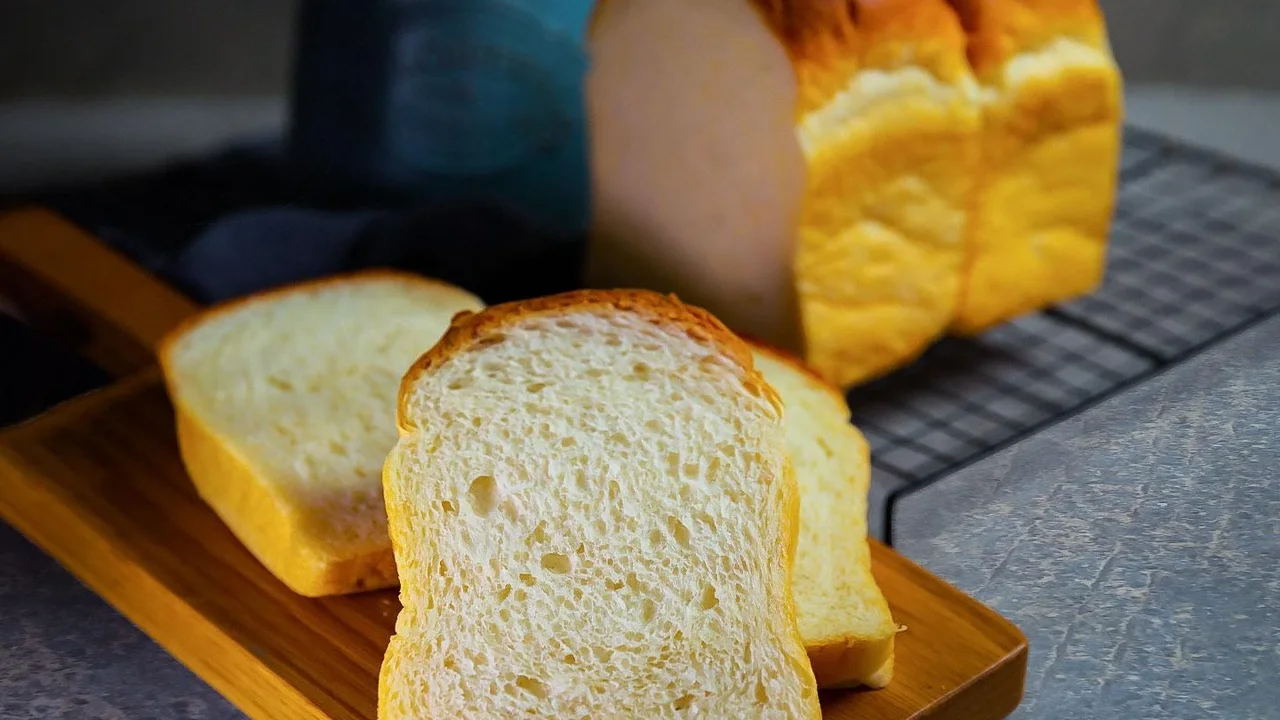
The pillowy bread capturing hearts and taste buds is Japanese milk bread, also known as shokupan. The name itself translates simply to “eating bread,” a testament to its status as a beloved daily staple in Japan. Unlike the crusty sourdoughs and dense
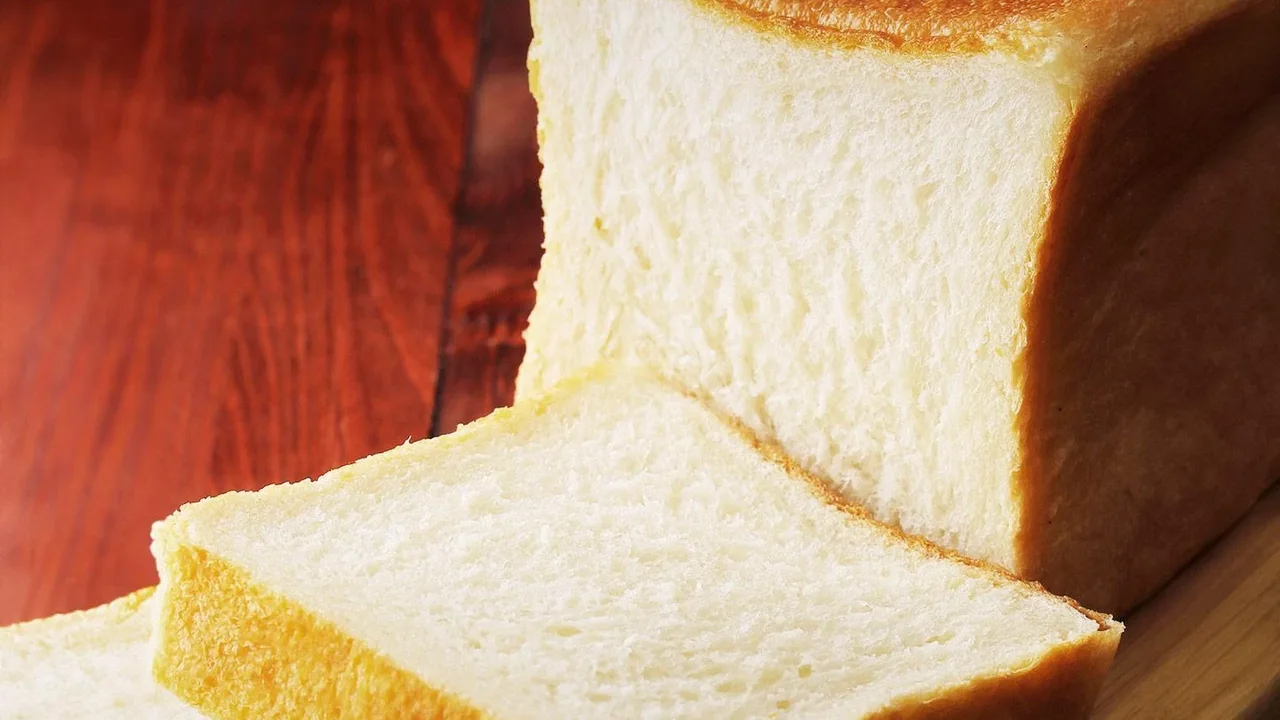
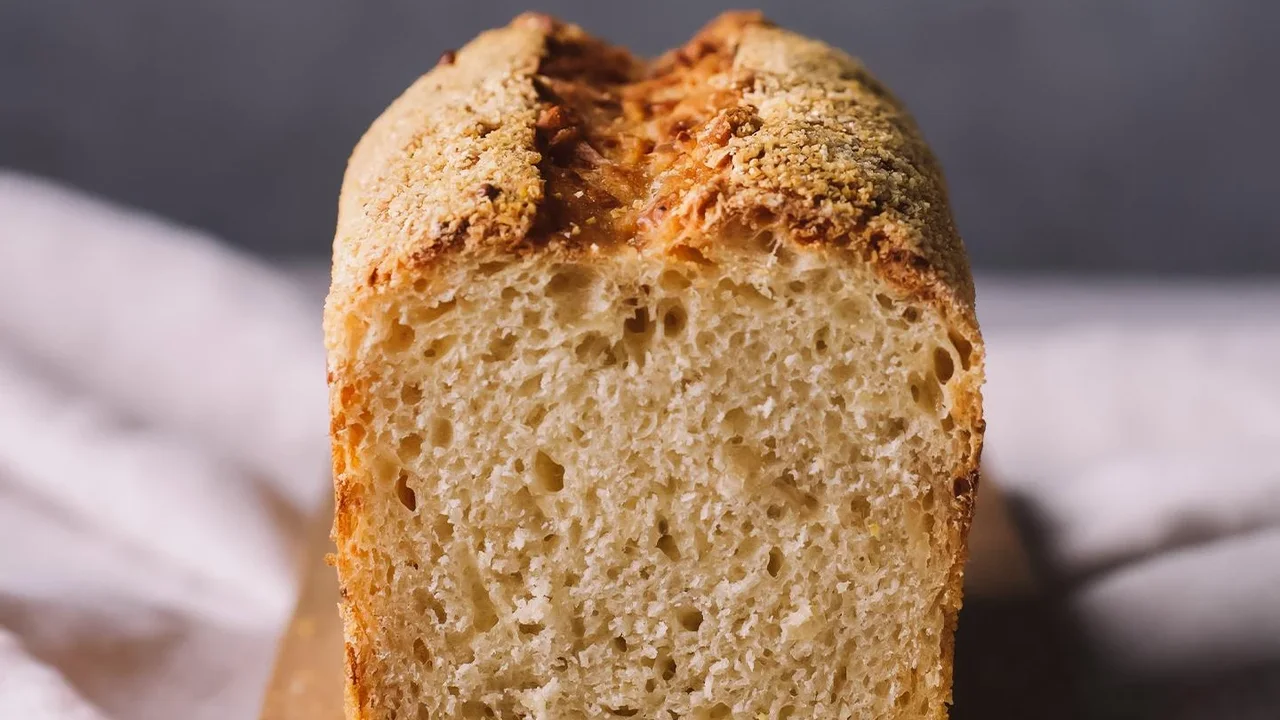
whole-wheat loaves that often dominate artisanal bakeries, shokupan is prized for its ethereal softness, fluffy texture, and a subtly sweet, milky flavour. It features a thin, tender crust and a bright white interior with a fine crumb that creates a uniquely satisfying, slightly chewy bite. This isn't the flimsy sliced bread of your youth; it’s a richer, more luxurious experience that stands apart from even buttery brioche, which is heavier by comparison.
A Brief History of Softness
While bread was first introduced to Japan by Portuguese traders in the 16th century, it took centuries to become a staple. Modern shokupan began to take shape in the 20th century as Japanese bakers adapted Western techniques to better suit local palates, which favoured more delicate flavours and softer textures. Its popularity surged in the post-war era, partly due to American influence and wheat provisions, leading bakers to create a loaf that has since become a cornerstone of the Japanese diet. From the breakfast table to the iconic fruit or katsu sandos sold in convenience stores, shokupan is a versatile and fundamental part of daily life in Japan.
The Secret to Its Cloud-Like Crumb
The magic behind shokupan’s incredible texture lies in a special baking technique known as the tangzhong or yudane method. This process involves cooking a small portion of the flour and a liquid (water or milk) into a thick paste or roux before adding it to the rest of the dough ingredients. This pre-cooked paste helps the dough retain significantly more moisture. The result is a loaf that is not only incredibly soft and fluffy on day one, but stays that way for longer than conventionally made breads. It's this 'masterclass in texture', as one chef calls it, that creates the signature pillowy crumb that people have fallen in love with.
Why It's Trending Everywhere Now
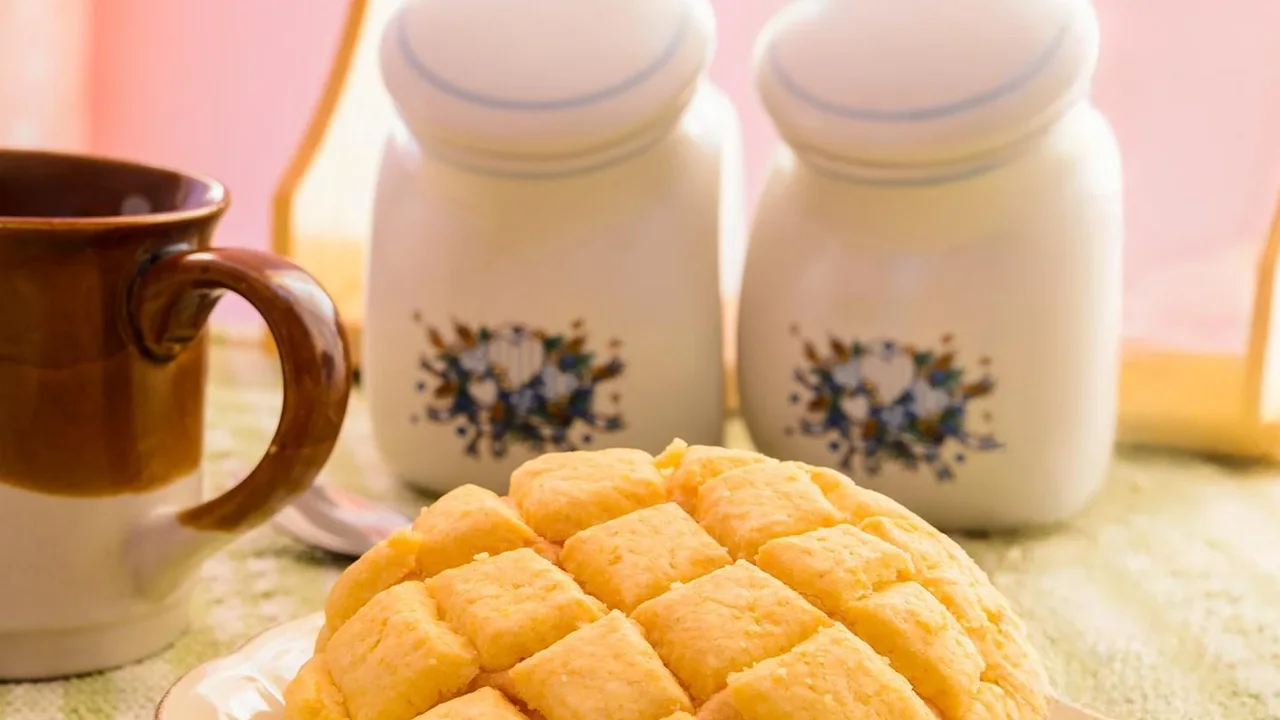
Shokupan's global moment is being fuelled by a perfect storm of factors. Social media is a major driver, with countless viral videos on TikTok and Instagram showcasing the bread's delightful 'bounce-back' texture and cloud-soft interior. This visual appeal has crossed over from social media into mainstream kitchens and restaurants. Furthermore, the trend is being propelled by the rise of high-quality smash burgers, with many cult-favourite burger spots swapping out denser brioche for lighter, squishier milk buns that absorb savoury juices without falling apart. This has sparked a surge in interest, with online searches for 'Japanese milk buns' recently increasing by over 600% according to one UK retailer.
How to Enjoy the Pillowy Goodness
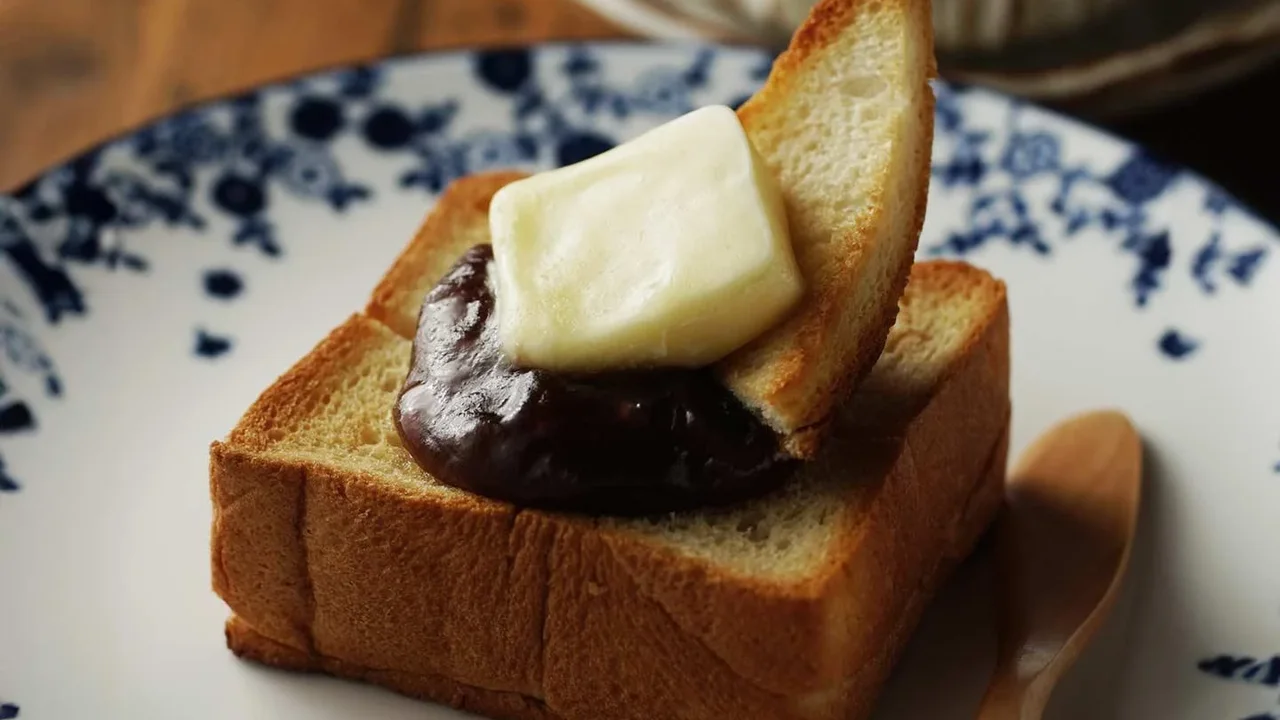
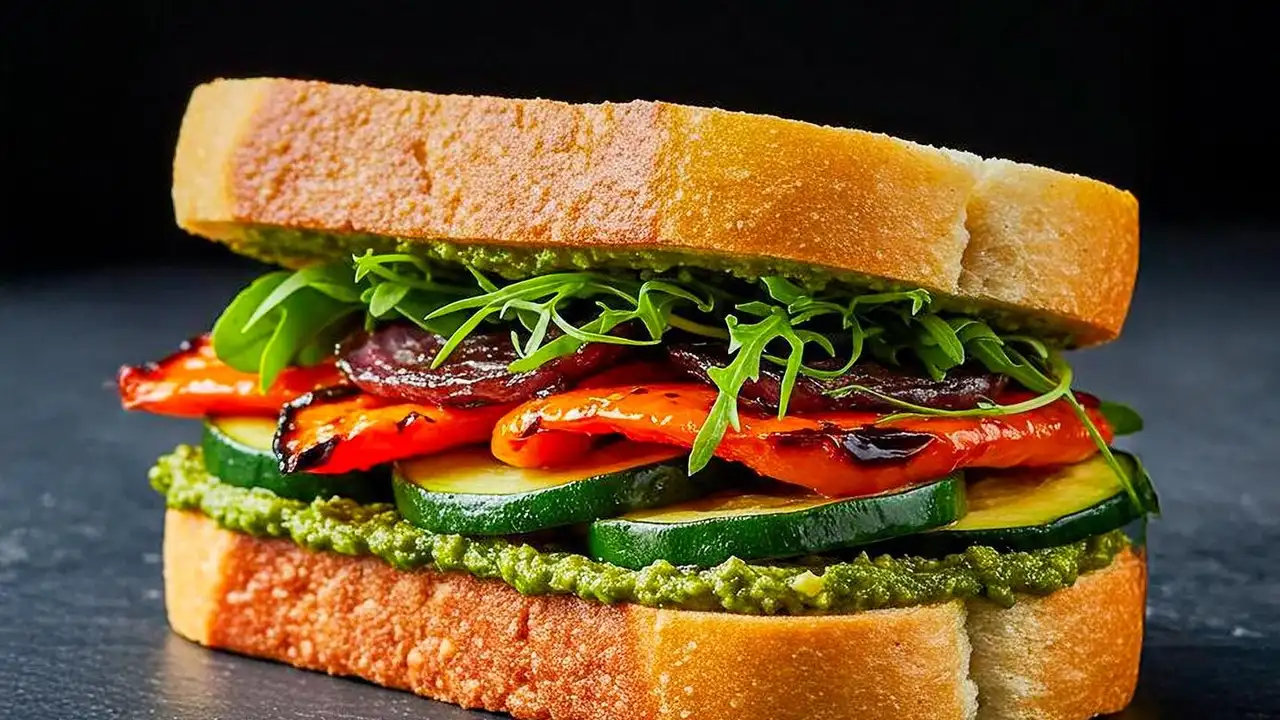
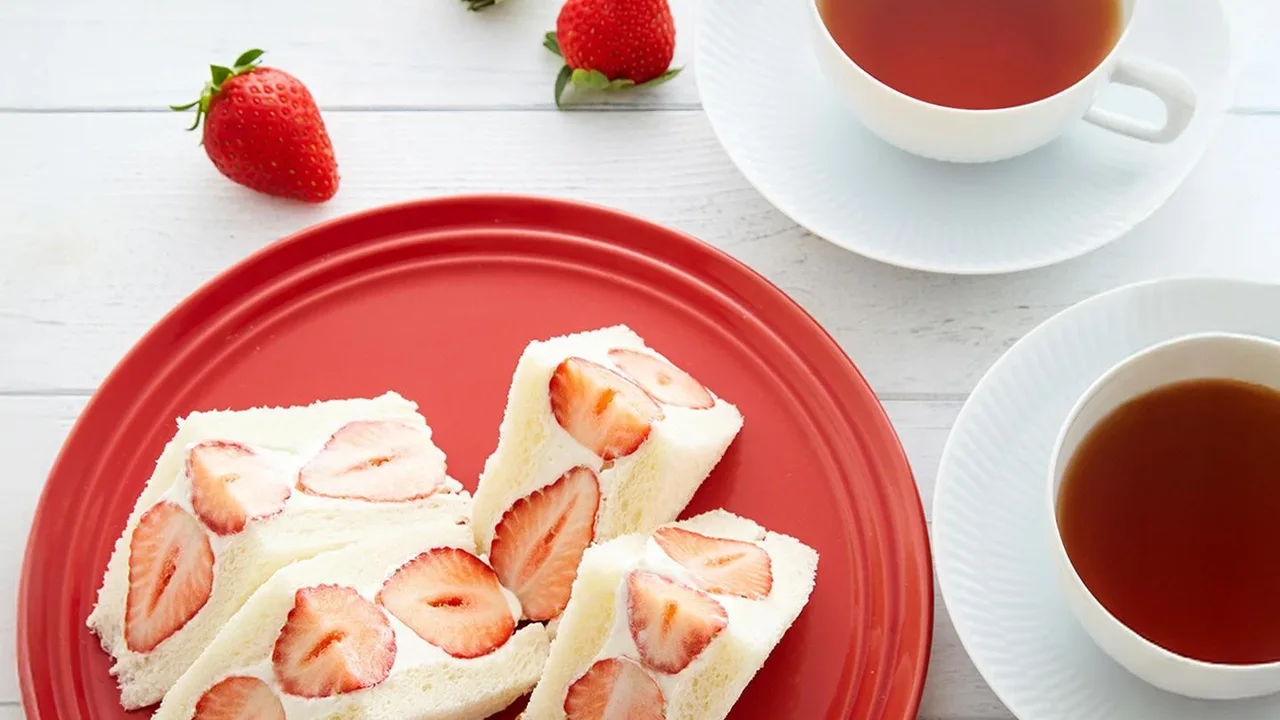
The versatility of shokupan is one of its greatest strengths. In its purest form, a thick slice toasted with a simple spread of butter or jam is a breakfast delight. But its sturdy yet soft structure makes it the perfect vehicle for both sweet and savoury creations. It’s the foundation for the famous Japanese fruit sando, where it’s layered with whipped cream and fresh fruit. It’s also increasingly used for everything from elevated egg sandwiches to crispy katsu sandos and even as the base for decadent French toast or bread pudding. You can find shokupan loaves and milk buns at East Asian bakeries, specialty cafes, and even some major supermarkets that are starting to stock them to meet growing demand.