







A Revolution on the Rails
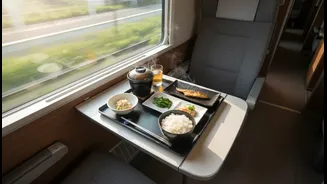
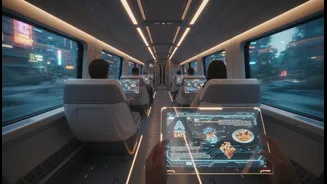
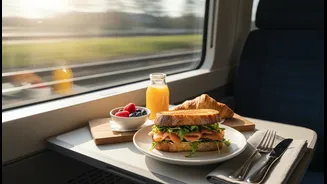
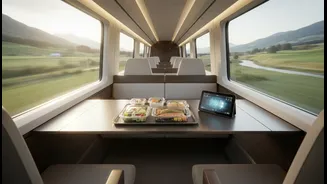
Not long ago, mealtime on a train involved a limited, often uninspiring pantry menu or a hurried purchase from a platform vendor during a brief halt. Today, that picture has been completely redrawn by the surge in e-catering services. Spearheaded by the Indian
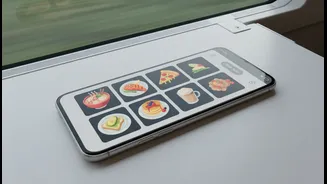
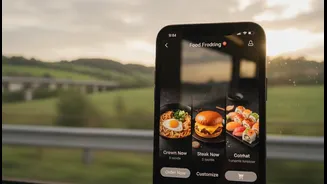
Railway Catering and Tourism Corporation (IRCTC) and its strategic partnerships with food aggregators like Swiggy and Zomato, passengers can now access a vast digital menu from hundreds of restaurants at stations along their route. Recent data shows an explosive growth in this sector; Swiggy, for instance, reported a threefold year-on-year increase in train food orders between April and June 2026. This isn't just a minor convenience; it's a fundamental shift in the travel experience for millions.
The Engine of Economic Opportunity
Beyond passenger convenience, the real impact of this trend is being felt in the local economies of towns and cities that dot India's extensive rail network. The e-catering model has created a new, vital revenue stream for small and medium-sized restaurants. For these businesses, the railway line is no longer just a track passing through their town; it's a mobile corridor of customers. This service is proving to be a powerful tool for customer acquisition, particularly in smaller, non-metro locations. In Guna, Madhya Pradesh, for example, a remarkable 66 percent of train food orders were placed by first-time users of Swiggy, highlighting the service's role in driving digital adoption and economic participation.
What Passengers Are Ordering
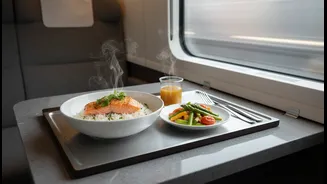
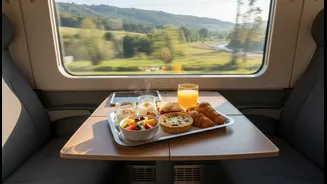
The data reveals fascinating insights into the palate of the Indian train traveller. While classics like Masala Dosa, Chicken Biryani, and burgers from chains like McDonald's are perennial favourites, staples are also in high demand. During the summer of 2026, passengers ordered over four lakh rotis via one platform alone. The service also caters to seasonal cravings, with orders for mango shakes, lassi, and soft drinks seeing a massive spike during the hotter months. This ability to cater to diverse tastes and dietary preferences—from Jain meals to specific regional cuisines—is a significant upgrade from the one-size-fits-all approach of traditional pantry cars.
The Complex Logistics of a Moving Target
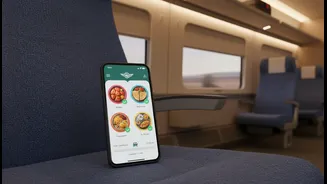
Delivering a hot meal to a specific seat on a train that only stops for a few minutes is a logistical ballet of immense complexity. Success hinges on flawless coordination between the restaurant, the delivery partner, and the passenger, all synchronised with the train's real-time schedule. The entire system is PNR-based; passengers enter their ticket details, which allows the app to track the train and schedule the delivery. Technology plays a crucial role in mitigating the primary challenge: train delays. Aggregators use live train tracking to adjust preparation and delivery times, ensuring the food is ready when the train arrives, not an hour before or after. Despite the challenges, the system is expanding rapidly, with Swiggy now servicing over 180 cities and Zomato covering over 130 stations.
The Road Ahead for Rail-Side Dining
The growth trajectory for train food delivery shows no signs of slowing down. The service is continuously expanding to new stations, including in Tier-2 and Tier-3 cities like Bikaner, Nanded, and Davanagere. Companies are innovating to make the process even smoother, with features like Swiggy's 'Scan Your Ticket' which automatically detects the PNR. The trend of multi-station ordering—where a passenger orders food at more than one stop on a single journey—is also on the rise, with some passengers spending over twice as much as single-station orderers. This indicates a growing trust and reliance on the service. As technology improves and more local restaurants join the network, the future of train dining looks set to become even more personalised, convenient, and diverse.