



The Space-Saving Secret Everyone Knows
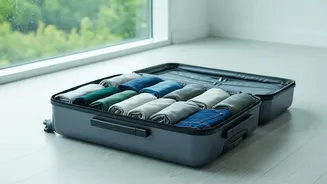
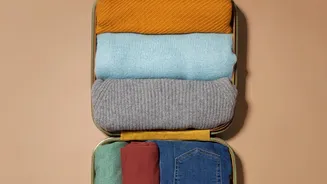
The most celebrated benefit of rolling clothes is its incredible space efficiency. Tightly rolled garments become compact cylinders, eliminating the empty air pockets that form between folded clothes. This allows you to fit more items into your suitcase,
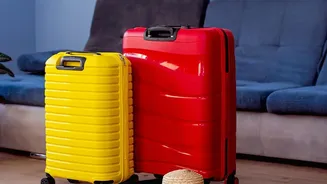
a major advantage for anyone trying to avoid checked bag fees or simply pack for a longer trip in a carry-on. Many seasoned travellers and even flight attendants swear by this method for its ability to maximize every available inch of luggage real estate. When your clothes are rolled, they can be arranged like a puzzle, filling the nooks and crannies of your bag more effectively than flat, bulky stacks.
A Built-In Cushioning System
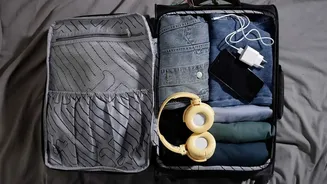
Here’s a benefit that often goes overlooked: protection. Tightly rolled clothes can act as effective, shock-absorbing padding for fragile items within your luggage. Instead of leaving delicate souvenirs or electronics to rattle around, you can strategically place them between soft, dense rolls of clothing. Think of your rolled t-shirts and sweaters as creating a cushioned barrier. This impromptu padding helps protect your possessions from the bumps, drops, and general rough handling that luggage often endures during transit. Some military personnel are even taught to roll their uniforms, partly because it helps prevent rips and wear from items rubbing against the inside of a bag.
Your First Line of Defence Against Spills
A leaky shampoo bottle or lotion container can spell disaster for a well-packed bag. While rolling clothes won't make your luggage waterproof, it can provide an effective first line of defence against minor spills. A dense collection of tightly rolled fabric is more absorbent than a loose stack of folded clothes. If a toiletry bottle leaks, the surrounding rolls can soak up much of the liquid before it has a chance to spread and ruin everything in your suitcase. For an extra layer of security, many travellers use waterproof toiletry bags, but having your clothes rolled provides an added buffer that can save an outfit from a stain.
The Wrinkle-Reduction Advantage
While no method is completely foolproof, rolling is generally superior to folding for preventing hard creases. Folding clothes creates sharp, defined lines that can become deeply set during transit. Rolling, on the other hand, involves gently curving the fabric. This process avoids creating those harsh fold marks, meaning your clothes are more likely to arrive at your destination looking ready to wear. For best results, smooth out any wrinkles on the garment before you begin to roll it tightly and consistently. This is especially effective for items made from synthetic fabrics or blends that are less prone to wrinkling in the first place.
How to Roll Like a Pro
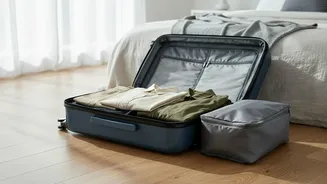
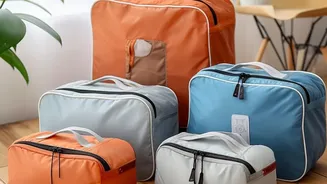
Mastering the roll is simple. For t-shirts and casual tops, lay the shirt flat, fold the sleeves in, and then roll tightly from the bottom hem up to the collar. For trousers and jeans, place one leg on top of the other, fold the crotch area inward to create a straight rectangle, and then roll firmly from the waist down to the cuffs. The key is to roll tightly and consistently to create a firm, compact cylinder. For even better organisation, consider using packing cubes to group your rolled items by category—one for tops, one for bottoms, and another for underwear and socks. This combination of rolling and using cubes makes finding what you need effortless.
When Folding Still Wins
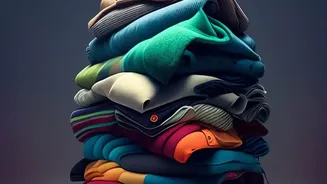
Despite its many advantages, rolling isn't always the best option for every garment. Bulky items like heavy sweaters or thick jackets can sometimes become more cumbersome when rolled. Formal wear, such as blazers, structured dresses, or freshly pressed button-down shirts made from natural fibres like crisp cotton or linen, often fare better with a careful fold. For these items, folding along their natural seams or using a garment bag is the best way to minimise creasing and maintain their shape. The smartest packing strategy often involves a hybrid approach: roll your casual, flexible items and carefully fold the structured, easily wrinkled ones.