



Sarson ka Saag (Mustard Greens)
No winter in North India feels complete without this iconic dish. Mustard greens are harvested during the cooler months, making November the start of their peak season. These greens are naturally warming and loaded with immunity-boosting vitamins A, C,
and K, as well as iron. Starting to eat sarson ka saag now helps prepare your body's defences against the common colds and flu that accompany deeper winter. Its anti-inflammatory properties are an added bonus.
Bajra (Pearl Millet)
This robust millet has been a winter staple for generations, especially in the western states of India. Bajra is known for its thermogenic effect, meaning it helps generate heat in the body to keep you warm. It’s a complex carbohydrate that provides sustained energy, fighting off the sluggishness that can set in with colder weather. Rich in magnesium, iron, and phosphorus, it supports heart health and strengthens bones, making it an ideal grain to introduce as the temperature drops.
Gondh (Edible Gum)
Often found in energy-dense laddoos, gondh is a traditional winter powerhouse. Derived from tree sap, this edible gum is known for its warming properties and its ability to strengthen the body. It’s particularly valued for boosting immunity, supporting joint health, and providing stamina. November is an excellent time to start consuming gondh preparations, as it helps the body build resilience and warmth from within, preparing it for the harsher cold to come. It's especially recommended for new mothers and those recovering from illness.
Amla (Indian Gooseberry)
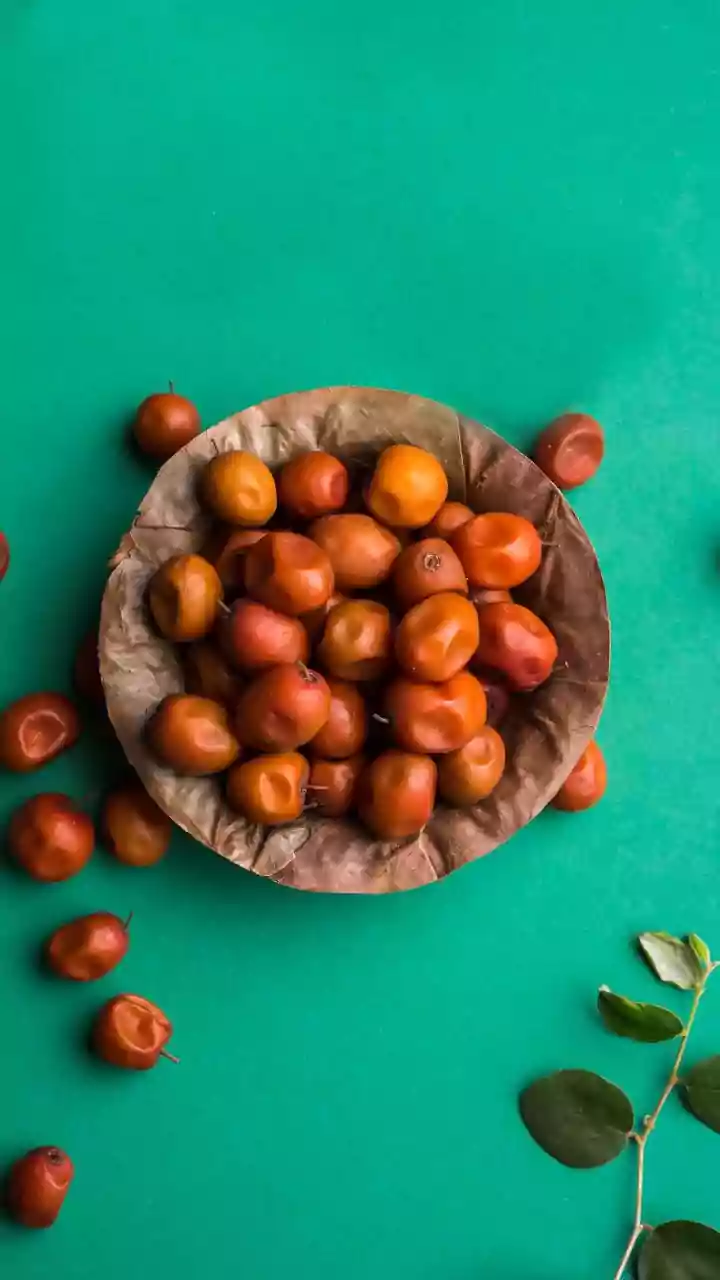
The amla season begins in autumn and peaks during the winter, making November a prime time to enjoy this superfruit fresh. Amla is one of the most potent natural sources of Vitamin C, a crucial nutrient for a strong immune system. Regular consumption helps the body ward off seasonal infections like coughs and colds. It also supports skin health by combating the dryness caused by winter air and promotes better digestion.
Til (Sesame Seeds)
From chikkis to laddoos, sesame seeds are synonymous with Indian winters. These tiny seeds are packed with healthy fats, calcium, iron, and magnesium. Their energy-dense nature helps in generating body heat and providing sustained energy. Furthermore, the natural oils in til are excellent for skin and hair, helping to counteract the dryness of winter. Incorporating til into your diet from November onwards helps lubricate joints and build internal warmth.
Shakarkandi (Sweet Potato)
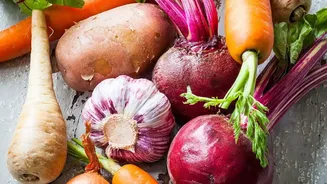
This humble root vegetable is a winter comfort food that is both delicious and incredibly nutritious. Sweet potatoes are an excellent source of dietary fibre, which aids digestion when metabolism tends to slow down in colder weather. They are packed with beta-carotene, which the body converts to Vitamin A, a vital nutrient for a strong immune system and healthy skin. Their complex carbohydrates offer a steady release of energy, keeping you active and warm.
Gajar (Carrots)
While available through much of the year, the vibrant red carrots that appear in winter are sweeter and more nutrient-dense. They are famous for being rich in beta-carotene, which is essential for good vision and a robust immune system. Carrots are also a great source of fibre, aiding in weight management and promoting smooth digestion. Starting with carrot-based dishes like the beloved Gajar ka Halwa or simple soups in November is a perfect way to embrace the seasonal bounty.