


First, What Exactly Is Dalia?
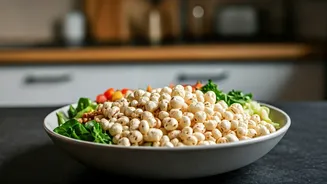
For the uninitiated, dalia is simply broken or cracked wheat. It’s a whole wheat grain that has been minimally processed, retaining its husk and bran. This makes it fundamentally different from more refined grains like sooji (semolina) or maida (all-purpose
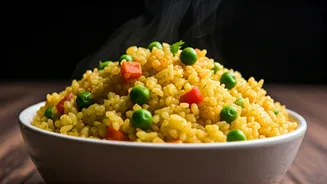
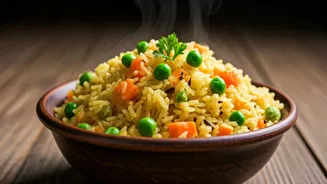
flour). In kitchens across India, it has long been a staple, known for being light on the stomach and easy to digest. Traditionally, it’s prepared in two main ways: a sweet, milky porridge often given to children, or a savoury 'khichdi' style dish packed with vegetables and mild spices. This savoury version, often called 'vegetable dalia' or 'namkeen dalia,' is what's currently seeing a massive resurgence in popularity, moving from the quiet corners of home kitchens to the menus of trendy health cafes.
A True Nutritional Powerhouse
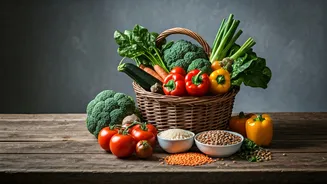
The primary reason for dalia’s comeback is its stellar nutritional profile. It’s a complex carbohydrate, which means it releases energy slowly, keeping you full for longer and preventing the dreaded post-meal slump. Packed with fibre, it’s excellent for digestive health and helps regulate blood sugar levels, making it a fantastic choice for diabetics or anyone managing their weight. Unlike white rice or bread, dalia has a low glycemic index. When you load it up with vegetables like carrots, peas, beans, and cauliflower, you’re adding a wealth of vitamins, minerals, and antioxidants. A single bowl of vegetable dalia can be a complete meal, providing protein, complex carbs, fibre, and essential nutrients without being heavy or calorie-dense. It’s the definition of a high-value, low-effort meal.
The Ultimate Comfort Food
Beyond the science, there’s an emotional connection. For many Indians, the aroma of dalia cooking with a simple tadka of ghee, jeera, and hing is the smell of home. It’s 'ghar ka khana' in its purest form—the food you turn to when you’re feeling under the weather, overwhelmed, or just in need of a warm, comforting hug in a bowl. This dish carries a sense of nostalgia and wellness that few modern 'superfoods' can replicate. In a world of complicated diets and intimidating ingredients, the simplicity of dalia is profoundly comforting. Its resurgence speaks to a collective desire to return to our roots and embrace the wholesome, time-tested foods that have nourished generations before us. It’s not just food; it’s a feeling of safety and care.
Perfect for a Modern Lifestyle
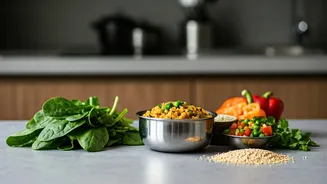
Vegetable dalia fits seamlessly into the demands of a busy, modern life. It’s a one-pot meal, which means minimal prep and even less cleanup—a huge win for anyone juggling work, family, and personal time. It’s incredibly quick to cook, especially in a pressure cooker, where it can be ready in under 15 minutes. This makes it an ideal option for a healthy weeknight dinner or a fulfilling work-from-home lunch. Furthermore, it’s wonderfully customisable. You can throw in any vegetables you have in the fridge, add lentils or paneer for an extra protein boost, and play with different spices to suit your palate. This adaptability makes it a sustainable habit rather than a restrictive diet meal. It’s economical, easy to make, and forgiving for even the most novice cooks.
It’s Getting a Glow-Up
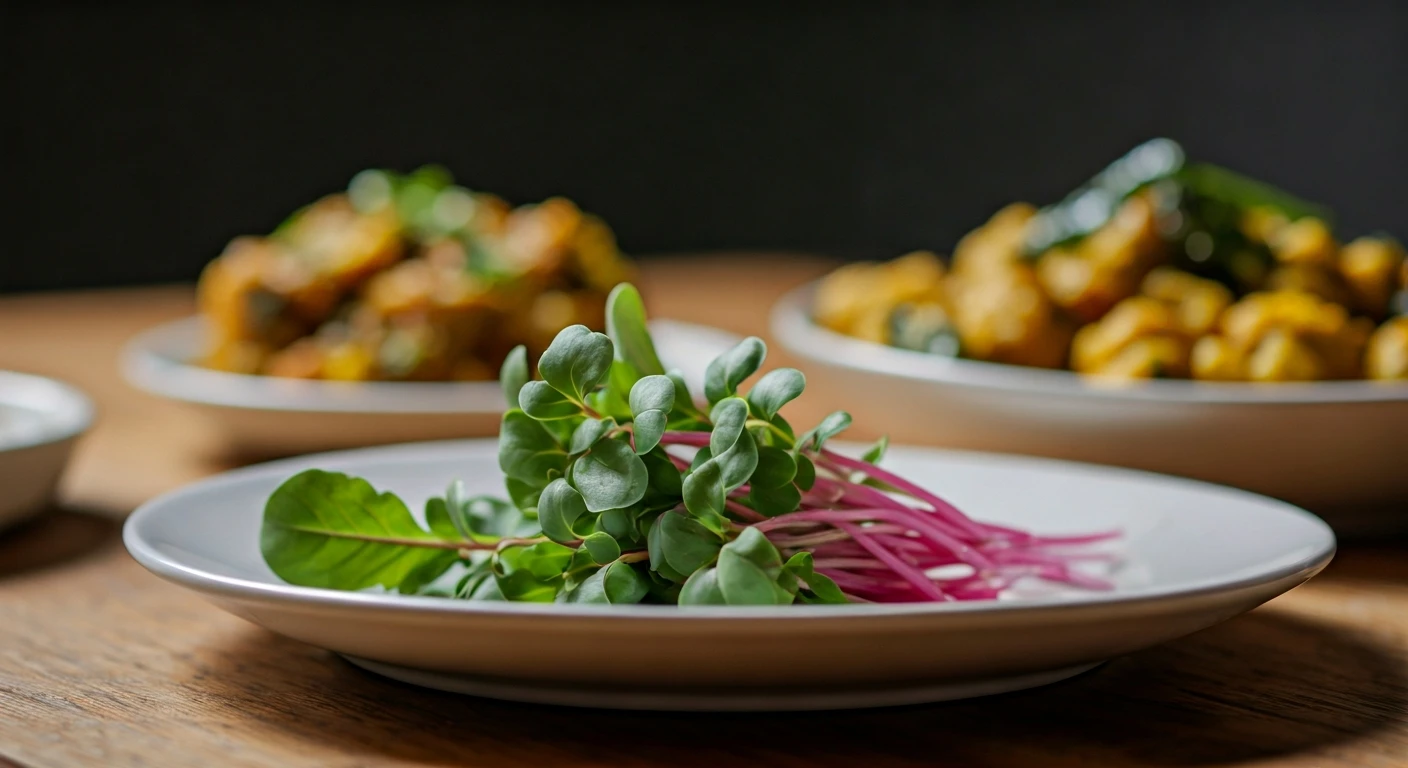
While the classic recipe is timeless, the current trend also sees dalia getting a modern makeover. Home cooks and chefs are experimenting with it in creative ways. Some are mixing it with other grains like quinoa or millets to create multi-grain bowls. Others are using more contemporary seasonings, from Italian herbs to a dash of soy sauce, or topping it with toasted nuts, seeds, and fresh herbs for added texture and flavour. You might see it served with a side of yogurt, a dollop of pesto, or even a spicy Schezwan tadka. This new-found creativity is helping to shed its old image as just 'sick person food' and reintroducing it to a younger generation as a versatile and exciting canvas for culinary experimentation.