






Tire Check 1: Go Beyond Air Pressure
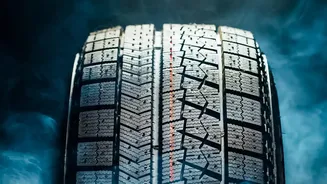
Before any ghat journey, checking tire pressure is a given. But for these demanding roads, you need to go further. Visually inspect each tire for cracks, bulges, or cuts, especially on the sidewalls which endure significant stress during turns. Also,
check the tread depth. Worn tires drastically reduce grip on steep and wet surfaces, which is a risk you cannot afford. If your tread is below the recommended level, it's time for a replacement. Taking five minutes for this thorough inspection is one of the most effective safety measures you can take.
Tire Check 2: The Importance of Alignment
Proper wheel alignment is crucial for navigating ghat roads. If your vehicle pulls to one side on a straight road, your alignment is likely off. On winding mountain passes, this issue is magnified, affecting steering stability and causing uneven tire wear. Before a long trip involving ghats, getting your alignment checked is a smart investment. It ensures your car handles predictably around the constant curves and prevents premature tire damage, giving you better control when you need it most.
Tire Check 3: Your Spare is Not Just for Show
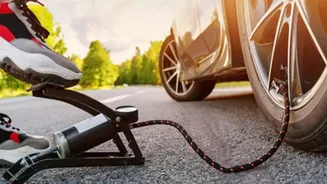
A flat tire in the middle of a deserted ghat section at night can be a serious problem. Many drivers neglect their spare tire, only to find it underinflated or damaged when they need it. Before you leave, ensure your spare tire is in good condition and inflated to the manufacturer's recommended pressure. It's also wise to pack a portable tire inflator and a puncture repair kit. These tools can be lifesavers, allowing you to perform a temporary fix and get to a safer location.
Fog Light Hack 1: Know When to Use Them
Fog lights are powerful tools, but they are often misused. The golden rule is to use them only when visibility is seriously reduced, typically to less than 100 metres. Using them in clear weather, especially at night, can dazzle oncoming drivers and those ahead of you. Remember, high beams are counterproductive in thick fog; they reflect off the water droplets in the air, creating a wall of glare that worsens your visibility. Stick to low beams and switch on your front fog lights for a beam that cuts underneath the fog to illuminate the road surface directly ahead.
Fog Light Hack 2: Master the Rear Fog Light
All cars sold in India must have at least one bright red rear fog light. Its purpose is to make you visible to drivers approaching from behind in dense fog or heavy rain. However, leaving it on when visibility improves is a common and dangerous mistake. A rear fog light is much brighter than a standard taillight and can easily be mistaken for a brake light, causing confusion and distracting the driver behind you. Switch it on when fog is thick, but be diligent about turning it off as soon as conditions clear up.
Fog Light Hack 3: Aim and Cleanliness Matter
For fog lights to be effective, they must be correctly aimed. They are designed to cast a wide, low beam just in front of the vehicle. If they are aimed too high, they will create glare just like high beams. A simple pre-trip hack is to ensure your fog lights are clean. A layer of mud or grime can significantly reduce their brightness and effectiveness. Similarly, keep your headlights, taillights, and windscreens clean to maximize visibility. It's a simple step that makes a big difference when every bit of light counts.
Bonus Tip: Engine Braking is Your Friend
While not a tire or light hack, this is essential for ghat driving. Constantly using your brakes on long downhill stretches can cause them to overheat and fail. Instead, shift to a lower gear. This technique, known as engine braking, uses the engine's resistance to help control your speed, saving your brakes for when you truly need them. Driving in a lower gear both uphill and downhill provides better control and is a hallmark of an experienced ghat driver.