

From Kitchen Scraps to Liquid Gold
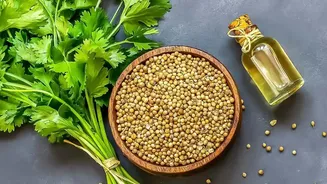
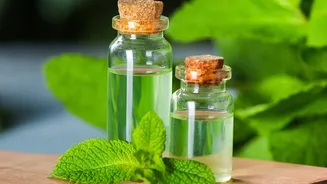
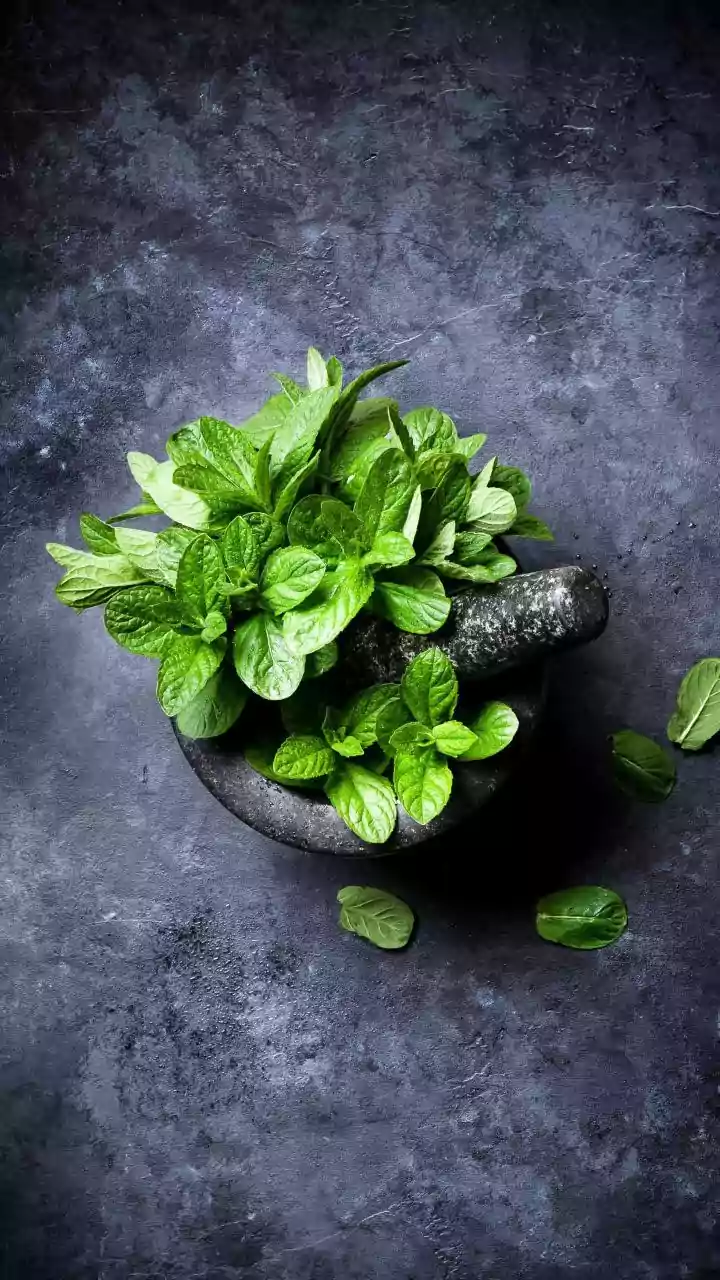
Welcome to the world of zero-waste cooking, where every part of an ingredient is valued. The stems of herbs like mint and coriander are packed with aromatic compounds, often containing a more potent and peppery version of the flavour found in the leaves.
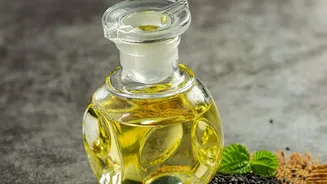
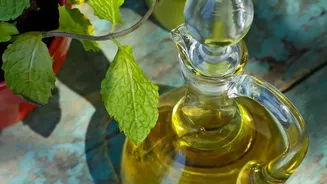
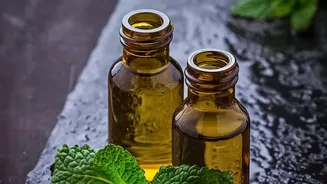
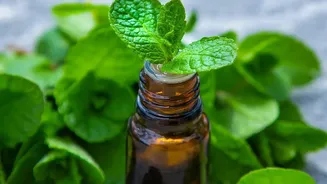
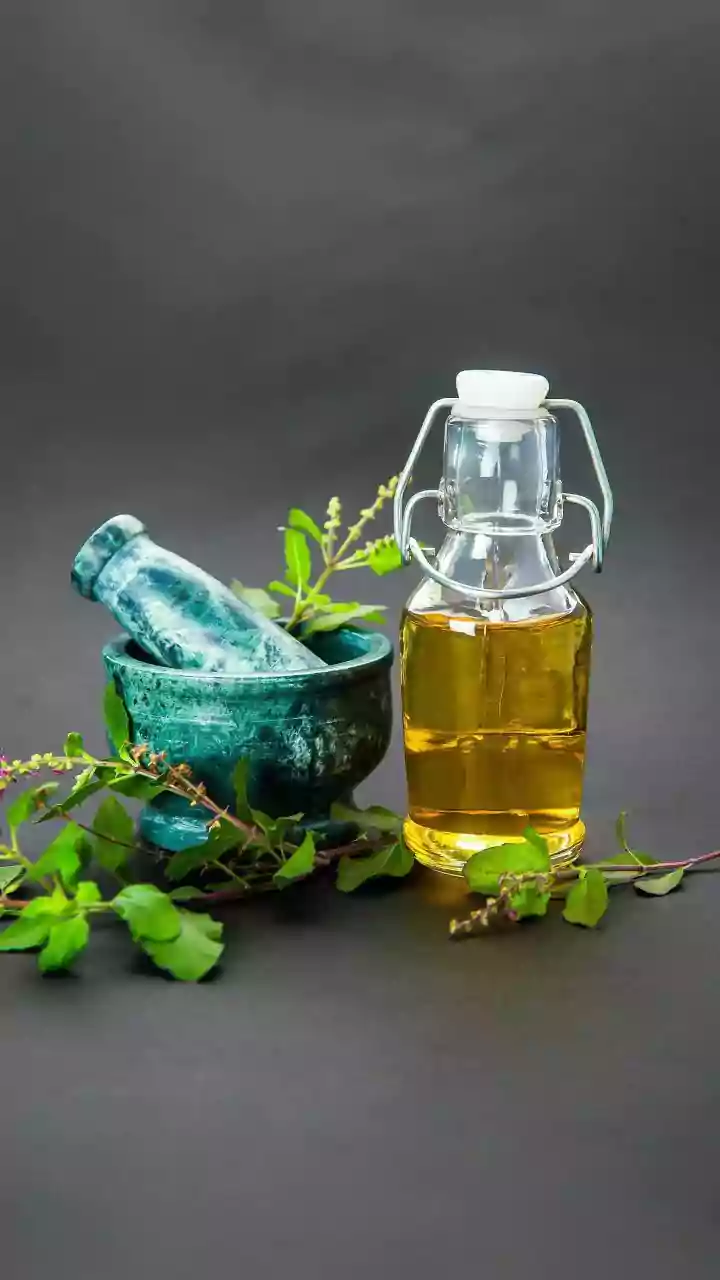
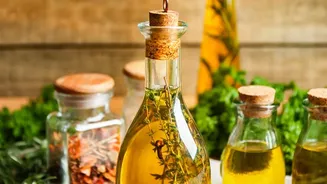
By infusing them in oil, you not only save them from the compost heap but also extract their essence into a versatile, flavourful condiment. This simple act transforms a common kitchen scrap into what chefs call a finishing oil—a drizzle of 'liquid gold' that can elevate a simple dish into something special. It’s a sustainable practice that saves money, reduces food waste, and adds a layer of gourmet flair to your everyday cooking.
The Simple Hot Infusion Method
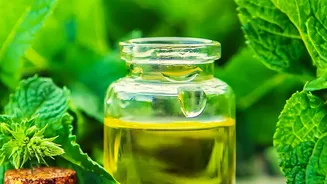
Creating your own herb oil is surprisingly straightforward. The hot infusion method is quick, effective, and safer than cold infusions. Start by thoroughly washing and, most importantly, completely drying your mint and coriander stems. Any moisture can encourage spoilage. You can gently bruise the stems with the back of a knife to help release their oils. Next, place the stems in a small saucepan and pour in enough neutral oil to cover them completely. Heat the mixture gently over low heat. You’ll see small bubbles form as the water content from the stems cooks away. Keep it at a low simmer, never a rolling boil, for about 5-10 minutes. Once the bubbling subsides, turn off the heat and let the oil cool completely with the stems still inside, allowing it to steep for a couple of hours. Finally, strain the cooled oil through a fine-mesh sieve or cheesecloth into a clean, dry bottle.
Choosing Your Ingredients
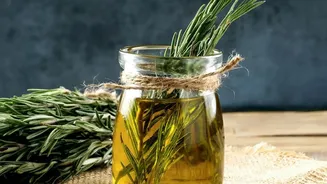
The beauty of this technique lies in its flexibility. While this guide focuses on mint and coriander, it works wonderfully with other sturdy herb stems like parsley and dill. The choice of oil is also crucial. For a pure, clean herb flavour that allows the mint and coriander to shine, opt for a neutral oil like sunflower, grapeseed, or a light vegetable oil. If you prefer a richer, more complex background note, a mild or light olive oil is an excellent choice. Heavy, extra-virgin olive oils can sometimes overpower the delicate herb notes, so it’s best to use them for more robust herbs like rosemary. Experiment with what you have on hand to find your favourite combination.
A Crucial Note on Safety and Storage
When infusing oil with fresh ingredients like herb stems, food safety is paramount. The main concern is the risk of Clostridium botulinum, a bacterium that thrives in low-acid, oxygen-free environments like oil. Using the hot-infusion method, where you gently heat the herbs in the oil, helps mitigate this risk by cooking off water. It is absolutely essential to use completely dry herbs and sterilised containers. Always store your homemade herb oil in an airtight bottle in the refrigerator. Do not keep it at room temperature. For maximum safety and flavour, it's best to use your infused oil within one to two weeks.
How to Use Your Homemade Herb Oil
Now for the fun part: using your creation. Your vibrant, fragrant herb oil is a versatile finishing touch for countless dishes. Drizzle the coriander stem oil over dal, soups, or roasted vegetables for a final burst of freshness. Use it to dress a simple salad of cucumber and tomato. The mint stem oil is fantastic over grilled lamb or chicken, tossed with steamed peas, or used in a vinaigrette for a fruit-forward salad. Both oils can be used as a flavourful base for marinades, mixed into yogurt or hummus for a quick dip, or simply served with warm, crusty bread. It’s an instant flavour upgrade that makes meals more interesting.