




The High-Speed Promise
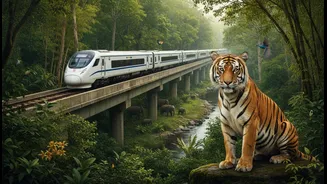
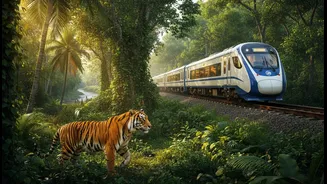
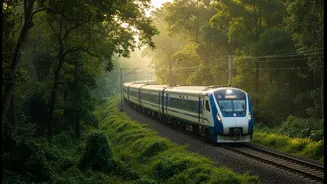
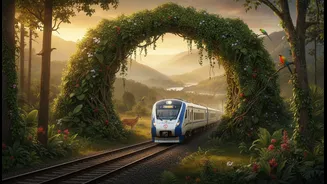
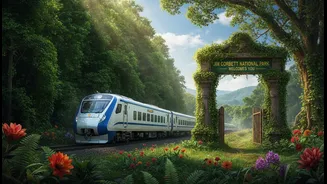
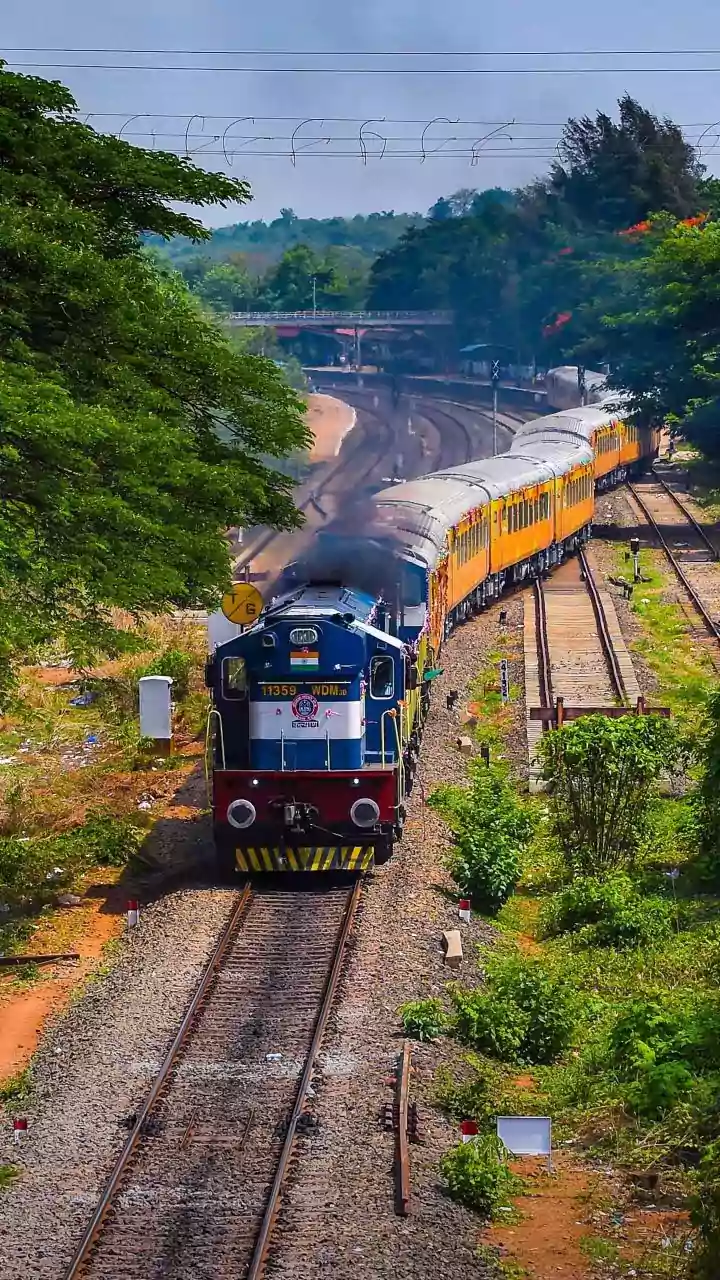
On paper, the logic is compelling. High-speed, comfortable trains connect major urban centres with smaller towns that serve as gateways to some of India's most iconic national parks. Recent media reports highlight several such routes: the Delhi-Dehradun
service for Jim Corbett, the Chennai-Mysuru line for Bandipur, and the Delhi-Agra-Udaipur route which stops at Sawai Madhopur for Ranthambore National Park. The Sabarmati-Veraval Vande Bharat is promoted for its proximity to Gir National Park, home of the Asiatic lion. The idea is simple: board a world-class train in the morning and be on the cusp of a wildlife adventure by afternoon, reducing reliance on overnight journeys or expensive flights. This new connectivity is hailed as a major boost for tourism, expected to stimulate local economies by making these destinations more accessible to both domestic and international travellers.
The Last-Mile Disconnect
The marketing narrative, however, often glosses over a crucial part of the journey: the 'last mile'. Vande Bharat trains deliver you to a nearby station, but the national park gate can still be a significant distance away. For instance, from Mysuru station, Bandipur National Park is an 80-kilometre, two-hour road trip. To reach Jim Corbett from the Vande Bharat stop in Dehradun, a traveller faces a road journey of four to five hours. Even for Ranthambore, one of the more integrated examples, the park entrance is about 10-12 kilometres from Sawai Madhopur station, requiring a 20-30 minute taxi ride. For Kanha National Park, the nearest major stations served by high-speed rail, Jabalpur and Gondia, are still a three to four-hour drive from the park's main gates. This final leg of the journey often involves hiring private taxis, as public transport options can be infrequent or non-existent, a challenge that isn't always factored into the seamless travel promise.
A Question of Time and Cost
When the entire journey is calculated, the Vande Bharat advantage can begin to fade. While the train segment is fast, adding a multi-hour taxi ride at the end can make the total travel time comparable to older, slower train services or even driving directly. For example, the road journey from Delhi to Sawai Madhopur takes roughly four to five hours, similar to the direct train journey. For a family or group, the cost of Vande Bharat tickets combined with an expensive, non-negotiable private taxi for the last leg can easily exceed the cost of driving their own vehicle or taking a direct, less glamorous overnight train that might arrive closer to the park's opening time. The true accessibility of these getaways is therefore not just about the speed of the train, but the total time and financial outlay required, which remains a significant hurdle for many would-be travellers.
The Bigger Picture: Conservation Concerns
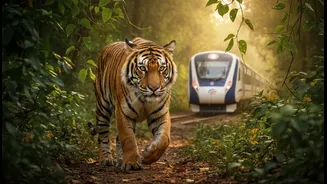
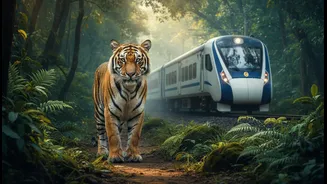
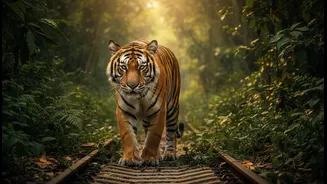
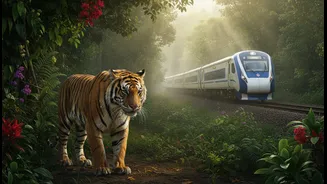
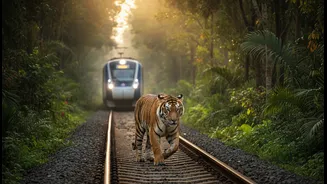
Beyond logistics, the push for increased rail connectivity near ecologically sensitive areas raises important questions about conservation. Expanding railway lines, especially for high-speed trains, can lead to habitat fragmentation, cutting through vital wildlife corridors. While new highway projects are seeing the inclusion of wildlife underpasses and overpasses, railway projects have historically posed a significant threat. The Environment Ministry and Indian Railways have identified over 100 sensitive stretches of track that pass through elephant and tiger habitats, acknowledging the risk of animal-train collisions. While mitigation efforts like ramps, fencing, and sensor-based warning systems are being explored, the fundamental tension remains. Promoting mass tourism through high-speed rail without equally robust investment in sustainable last-mile solutions and strict safeguards for wildlife corridors risks prioritising convenience over conservation, a trade-off that India's protected areas can ill afford.