


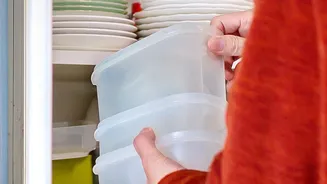
Winning the Space Race with Smart Storage
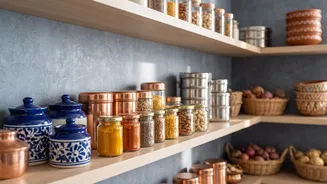
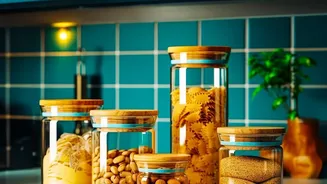
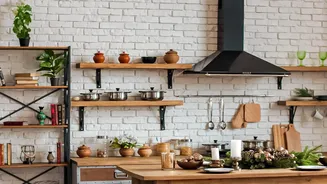
The first step to a more efficient kitchen is mastering the art of storage. With an influx of special ingredients, extra groceries, and serving dishes, countertops can quickly disappear. The trend is moving towards vertical storage and maximising every
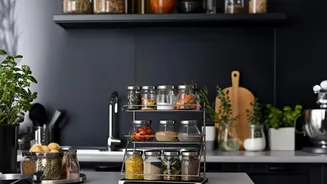
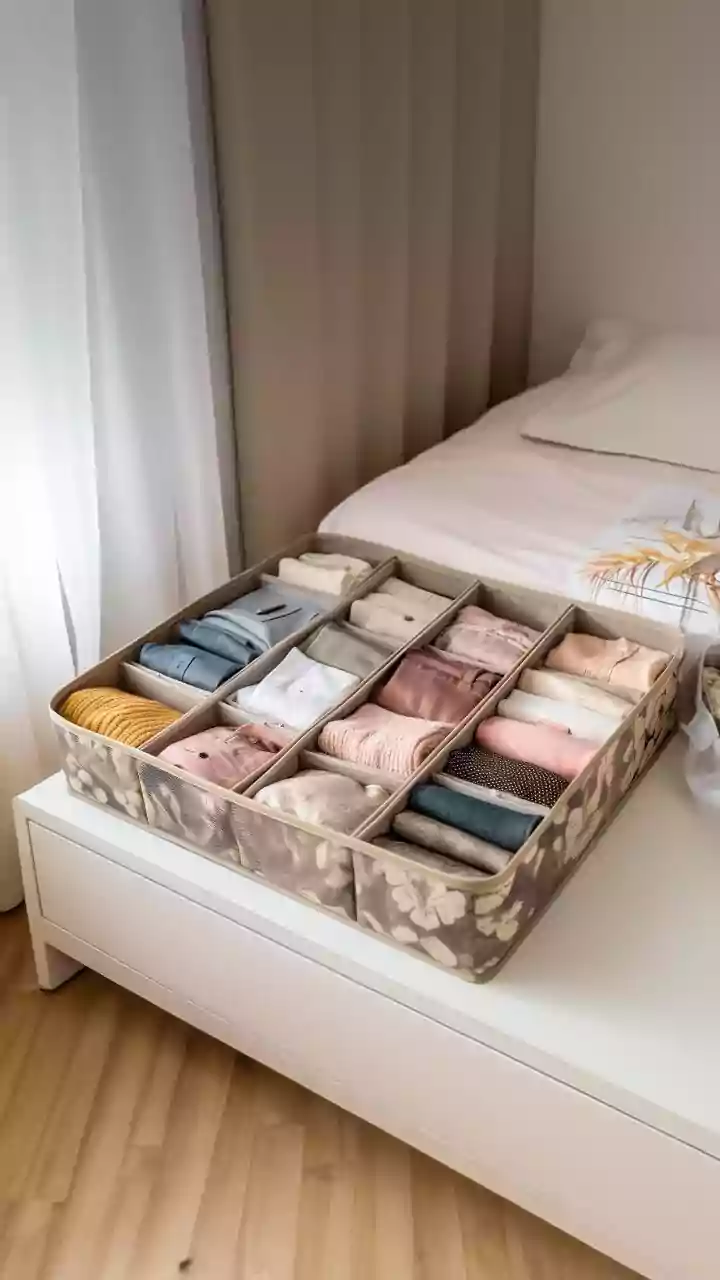
available inch. Households are installing floor-to-ceiling cabinets and slim pull-out pantry units to house everything from spices to large bags of rice and flour. Inside cabinets, wire shelf risers are being used to double the storage capacity, allowing plates and bowls to be stacked on separate levels. The goal is to keep countertops as clear as possible, reserving them only for daily essentials to create a calm and functional workspace. Drawer dividers and corner carousel units are also seeing a surge in popularity, transforming once-chaotic drawers and awkward corners into organised, accessible spaces.
Zoning for a Calmer Cooking Flow
Instead of storing items by type (all spoons in one place, all pans in another), the new logic is to organise by activity. This involves creating dedicated 'zones' for specific tasks. For instance, a 'tadka zone' near the stove holds oil, ghee, and essential spices in a masala dabba. A 'tea and coffee station' groups the kettle, sugar, mugs, and tea leaves together, making it easy to serve guests without hunting through multiple cabinets. Similarly, a 'prep zone' contains cutting boards and knives, while a 'roti zone' keeps the chakla, belan, and dry flour within arm's reach. This approach minimises unnecessary movement around the kitchen, which is crucial when multiple family members are cooking together during festivals. This method ensures that everything needed for a specific task is logically grouped and easily accessible, reducing the stress of festive meal preparation.
The Rise of the Multi-Tasking Appliance
Modern appliances are the secret weapon in a hard-working festive kitchen. These gadgets are designed to save time, reduce effort, and often combine multiple functions into one unit, saving precious counter space. The Instant Pot, for example, functions as a pressure cooker, sauté pan, steamer, and even a yogurt maker, handling everything from dal and rice to complex curries. Air fryers are another favourite, used not just for healthier snacks but also for roasting vegetables or baking small batches of sweets with minimal oil. For breakfast and snack preparation, 3-in-1 sandwich makers that can grill, toast, and make waffles are becoming indispensable. These multi-purpose tools are no longer seen as luxuries but as essential components for efficient cooking, allowing for simultaneous preparation of different dishes and simplifying complex recipes.
Thinking Beyond the Kitchen Itself
Making a kitchen work harder sometimes means extending its functions beyond its four walls. A rolling cart or trolley can serve as a mobile extension of the countertop, perfect for holding prepped ingredients or as a temporary bar cart when guests arrive. Some households are adopting a 'semi-open' kitchen concept, using sliding partitions or glass doors to connect the kitchen to the living area. This allows the kitchen to feel integrated during social gatherings but can be closed off to hide the mess during intensive cooking. Another strategy gaining traction is creating a small, secondary prep area in a utility space or balcony for messier tasks like washing vegetables or chopping onions, keeping the main kitchen cleaner and more presentable for guests.