



The Bountiful Arid Land
The Dang region of Karauli is a landscape of stark beauty, characterized by ravines and a semi-arid climate that challenges conventional agriculture. Yet, this tough environment is precisely what nurtures the resilient Jharberi or wild ber (Ziziphus nummularia).
This thorny shrub thrives where other plants falter, its roots digging deep into the skeletal soil. The forest, though not lush in the traditional sense, is a vital ecosystem that supports not only unique flora but also the local communities who have called it home for centuries. These communities, including the Sahariya and Meena tribes, have developed an intricate relationship with their environment, understanding its cycles and its bounty with a depth that modern science is only beginning to appreciate. The forest provides them with food, fodder, and a sense of identity tied directly to the land.
More Than Just a Berry
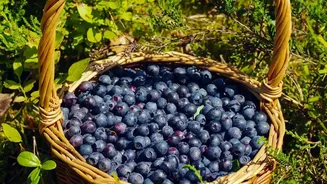
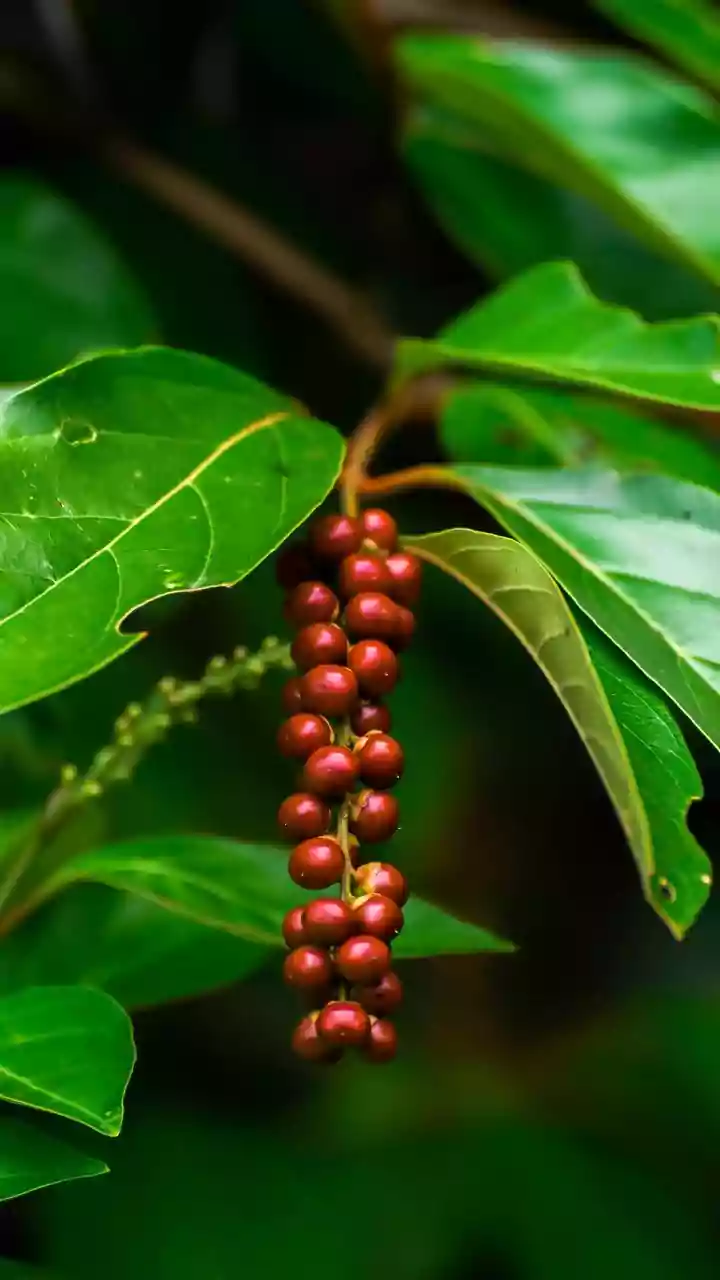
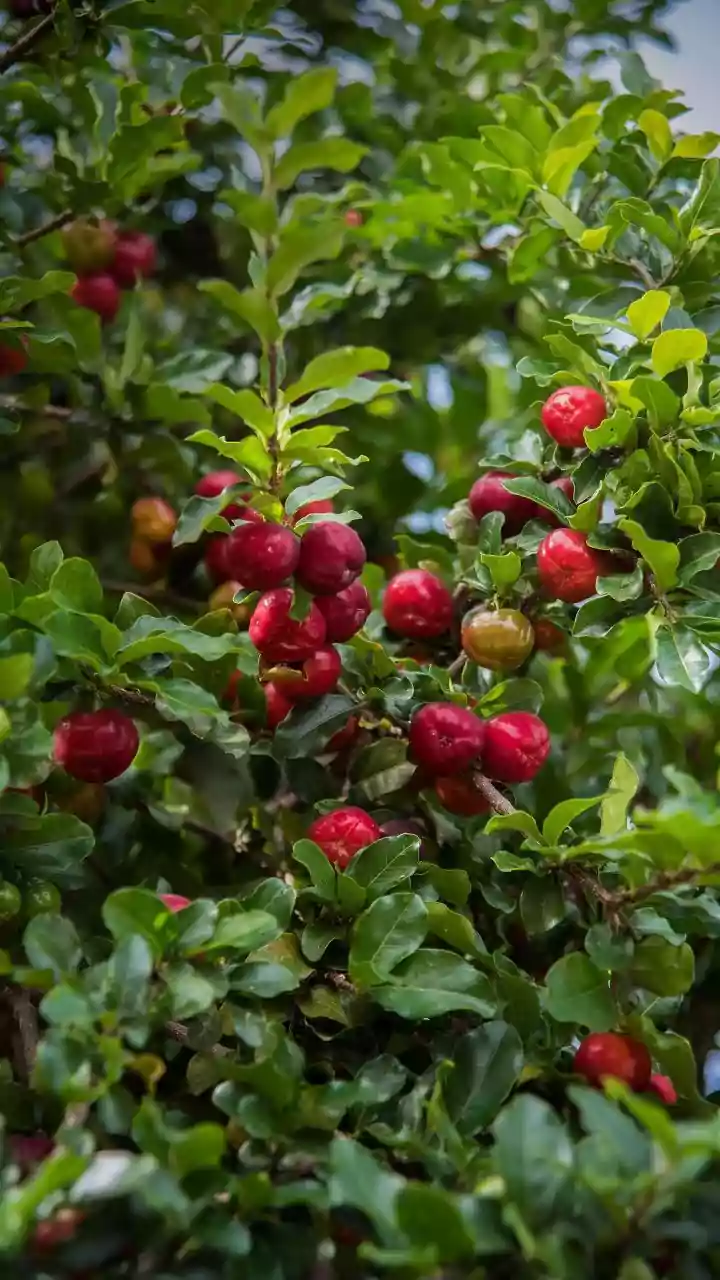
The wild beri is far more than a simple fruit; it is a nutritional powerhouse and a cornerstone of the local culture and economy. Small, round, and reddish-brown when ripe, these berries are packed with Vitamin C, A, and B-complex vitamins. For generations, they have been a crucial dietary supplement in a region where food can be scarce. The fruit is eaten fresh, dried, or ground into a powder that can be mixed with millet flour to create nourishing meals. Beyond nutrition, every part of the Ziziphus nummularia plant has a purpose. Its leaves provide excellent fodder for livestock, its thorny branches are used as natural fencing to protect crops, and its wood serves as fuel. This multi-purpose utility makes the beri shrub an indispensable resource in the daily lives of the Dang forest residents.
The Keepers of Generational Knowledge
The tradition of beri gathering is safeguarded by the indigenous communities, particularly the Sahariya tribe, who are recognised as a Particularly Vulnerable Tribal Group (PVTG). Their name itself is believed to derive from a word meaning 'forest', highlighting their deep, ancestral connection to the wilderness. This knowledge is not written in books but passed down through generations, from elders to children. It dictates the precise timing of the harvest, which typically occurs in the winter months when the berries are perfectly ripe. The communities know which shrubs will yield the sweetest fruit and how to navigate the thorny branches with minimal harm to themselves and the plant. This 'ethnoecological' wisdom includes unwritten rules of sustainability, such as leaving enough fruit for birds and other wildlife, ensuring the ecosystem remains in balance.
The Art of the Sustainable Harvest
The process of gathering wild beri is a testament to sustainable living. It's a community affair, often led by the women of the village, who venture into the forest with skill and patience. They use simple, traditional methods to collect the berries, ensuring the thorny bushes are not damaged in the process. This careful approach ensures that the shrubs will continue to bear fruit year after year. The harvest is not just a physical act but a cultural practice steeped in respect for nature. The knowledge extends to post-harvest processing; the berries are often dried in the sun, a natural preservation method that concentrates their flavour and extends their shelf life, allowing them to be sold at market or stored for later use. This practice stands in stark contrast to large-scale commercial agriculture, focusing on long-term ecological health over short-term gain.
From Forest to Market
For many families in the Karauli region, the sale of wild beri provides a crucial source of supplementary income, particularly for women who are often the primary collectors. They sell the fresh or dried berries in local markets, where demand is steady. Dried beri, in particular, fetches a good price and is used in a variety of local preparations, from chutneys to powders. This income, earned during the agricultural off-season, helps families purchase essentials and provides a degree of economic independence. The entire value chain, from forest to consumer, is deeply embedded in the local economy, supporting a circular system where the wealth generated from the forest directly benefits the people who protect it. Initiatives are also emerging to help women form self-help groups to add value by creating products like pickles and candies, further boosting their earnings.