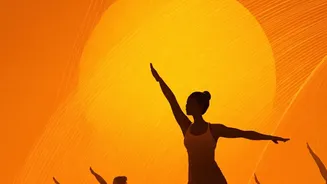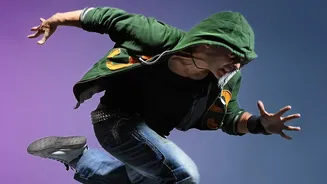

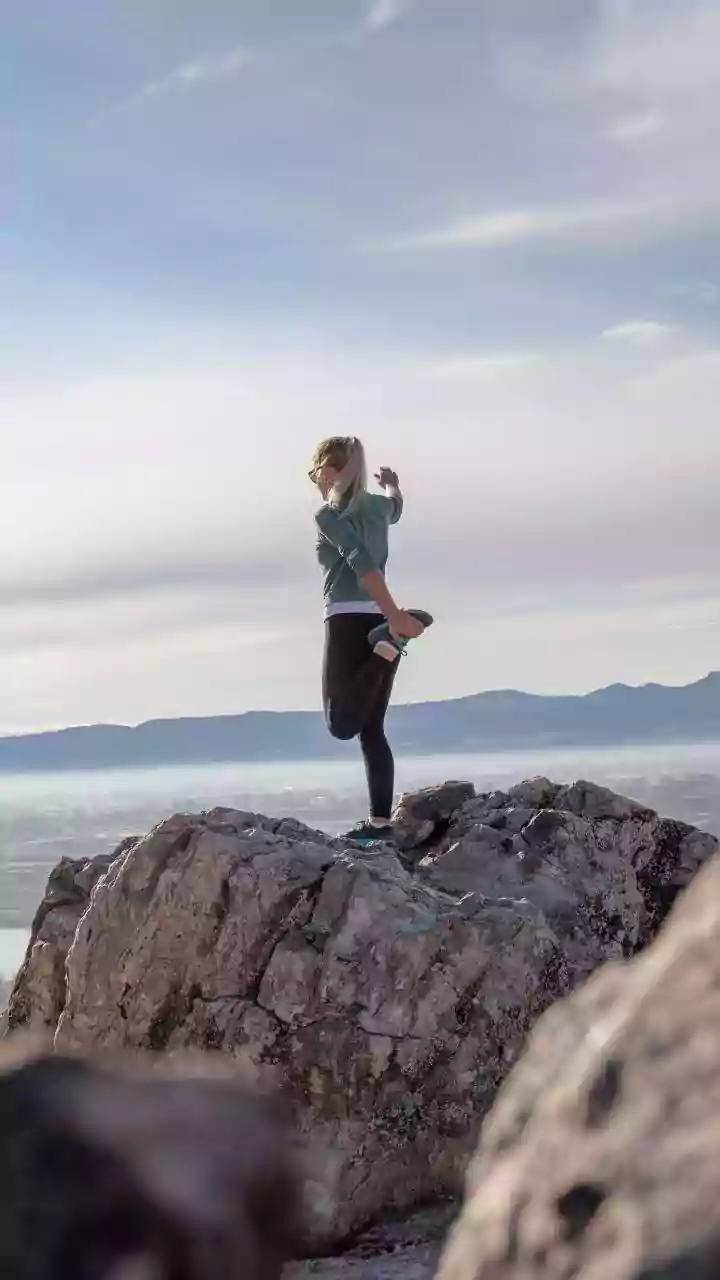


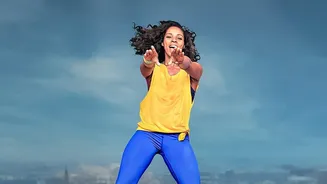

Understanding the Core Concepts
At its heart, a continuous movement workout is about staying in motion. Unlike traditional strength training with its start-and-stop repetitions, this approach involves fluidly linking different movements together. This could mean transitioning from a squat
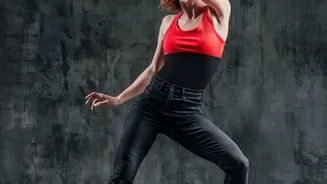
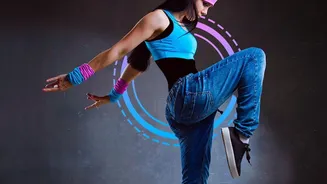
into a lunge and then a torso twist without pausing. The goal is to create a seamless flow, which challenges your cardiovascular system, coordination, and muscular endurance all at once. Freestyle dance is the expressive soulmate to this concept. It is a form of improvisation where there is no set choreography or sequence of steps. Instead, you move spontaneously in response to music, your emotions, and your body's impulses. It’s about freedom and authenticity, not perfection. By combining these two ideas, you get a workout that is dynamic, creative, and deeply personal.
The Powerful Physical and Mental Benefits
This form of exercise offers a wealth of benefits that go far beyond burning calories. Physically, the constant motion provides an excellent cardio workout, strengthening your heart and improving circulation. It also enhances flexibility, balance, coordination, and muscle tone. Mentally and emotionally, the rewards are just as significant. The act of dancing releases endorphins, the body's natural mood-boosters, which can reduce stress and anxiety. A UCLA Health study on conscious dance found that 98% of participants reported an improved mood. Because it’s unchoreographed, freestyle dance encourages mindfulness, pulling your focus into the present moment and away from distressing thoughts. This practice can boost self-confidence, improve body image, and provide a powerful outlet for emotional expression when words aren't enough.
How to Start Your First Session
The most common barrier to freestyle dancing is the fear of 'doing it wrong'. The good news is, there is no wrong. The whole point is to move in a way that feels good to you. To get started, find a private space where you won't be interrupted. Create a playlist with music that moves you, covering a range of tempos. Begin with a warm-up, including gentle stretches for your arms, legs, neck, and back. When you're ready, start small. You don't have to perform big, dramatic moves. Simply shifting your weight, swaying, or rolling your shoulders is a great start. Close your eyes if it helps you feel less self-conscious. Try to connect with the music; let the rhythm guide your body. Focus on the feeling, not how you look. There are no steps to learn and no one is judging you.
Practical Tips for Beginners
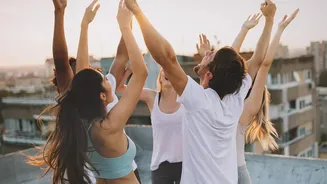
To make this a sustainable practice, consistency is more important than intensity. Even 10-15 minutes a day can make a difference. Here are a few tips to keep you going: Wear comfortable clothing: Choose clothes that don't restrict your movement. Most people dance barefoot or in socks. Start without a mirror: In the beginning, a mirror can make you more self-conscious. Focus on how the movement feels internally before worrying about how it looks externally. Explore different levels: Don't just stand in one place. Experiment with moving up and down, from standing tall to crouching low or even sitting or lying on the floor. Use your whole body: Consciously try to move different parts of your body, from wiggling your fingers to rolling your hips and shoulders.* Find a community: If you feel comfortable, joining a class like Zumba or an ecstatic dance session can provide a supportive group environment to explore movement without pressure.