





The Cotton and Denim Trap
That favourite pair of jeans and those comfy cotton t-shirts seem like travel essentials, but during the monsoon, they become your worst enemy. Cotton is a hydrophilic fabric, meaning it loves to absorb water. Once wet, it becomes incredibly heavy, takes
forever to dry in the humid air, and clings uncomfortably to your skin. A single pair of wet jeans can take days to dry, leaving you with nothing to wear and a musty smell in your hotel room. It’s a classic rookie error that guarantees at least one day of discomfort.
Smarter Fabric Choices
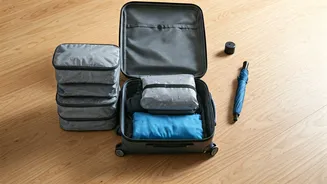
The solution is to think like an athlete. Opt for synthetic, quick-drying fabrics such as polyester, nylon, or blended materials. These fabrics are hydrophobic—they repel water, dry in a fraction of the time, and are incredibly lightweight. Look for travel shirts, trekking pants, and athletic wear. They might not feel as traditional as cotton, but their performance in wet and humid conditions is unmatched. You can wash them in the evening and have them be dry by morning, a true luxury on a monsoon trip.
Footwear Fails
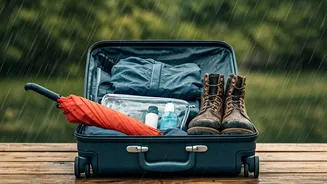
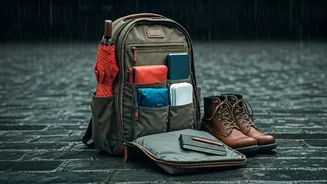
Your choice of footwear can make or break a monsoon holiday. Leather shoes and boots are a definite no-go; water will stain and ruin them, and they can take days to dry, often developing mould. Simple flip-flops might seem like a good idea, but they offer zero grip on slippery, moss-covered paths and leave your feet exposed to muddy puddles and insects. Walking long distances in them can also be a recipe for foot pain and blisters. Don't let your shoes be the reason you're stuck indoors.
The Right Steps to Take
The ideal monsoon footwear combines grip, protection, and quick-drying properties. Rubber-soled sandals with secure straps (often called floaters) are an excellent choice. They offer good ventilation, can be worn in the water, and provide a secure fit for walking. For more adventurous treks, consider investing in a pair of quick-drying hiking shoes with a waterproof membrane. And always pack a pair of lightweight slippers for your hotel room.
Ignoring Your Electronics
A sudden downpour can be romantic, but not when it fries your expensive smartphone or camera. Many travellers think a regular backpack will suffice, but most are not designed to withstand a persistent Indian monsoon shower. The insidious creep of moisture can damage sensitive electronics long before you even realise they're wet. Relying on luck is a gamble that rarely pays off, and a ruined phone can mean losing your maps, contacts, and precious vacation photos.
The Dry Bag Defence
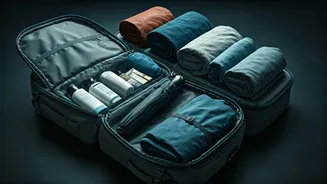
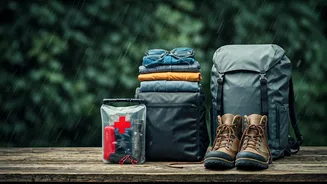
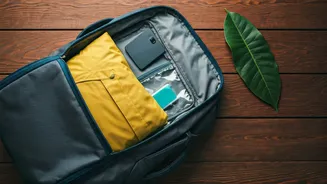
Protecting your gadgets is simple and non-negotiable. The best investment is a small dry bag, which is a 100% waterproof sack designed for water sports. You can place your phone, camera, power bank, and wallet inside it before tucking it into your main backpack. For a budget-friendly alternative, heavy-duty zip-lock bags can also do the trick in a pinch. Consider buying a waterproof phone pouch with a lanyard, allowing you to use your phone for navigation even in light rain.
Relying Solely on an Umbrella
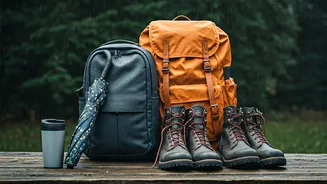
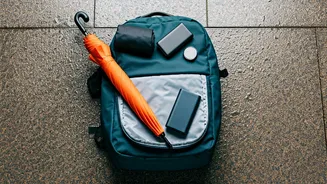
An umbrella is useful for a short dash from a car to a building, but it’s hopelessly outmatched in a real monsoon scenario, especially in windy coastal or hill stations. A strong gust of wind can turn an umbrella inside out in seconds, leaving you completely exposed. It also occupies one of your hands, making it difficult to navigate crowds, carry a bag, or take pictures. It provides minimal protection in a driving, sideways rain, ensuring your bottom half and backpack get soaked.
Layering for the Win
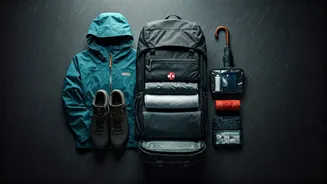
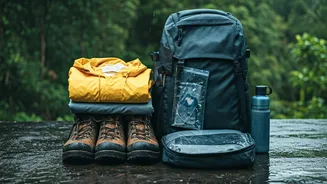
A lightweight, breathable, and properly waterproof rain jacket is a far superior choice. It keeps you dry, acts as a windcheater, and leaves both your hands free. Look for jackets with sealed seams and a hood. This single item will be the most valuable piece of clothing in your monsoon luggage, allowing you to walk, explore, and embrace the rain without a care. A jacket paired with a small, foldable umbrella for lighter drizzles offers the most versatile protection system.