






From Kitchen Scrap to Super Snack
For generations in India, particularly in the south and west, the jackfruit (or 'kathal') has been a beloved staple. While its fibrous flesh is celebrated in everything from curries to chips, its seeds have often been overlooked or discarded. This is a missed
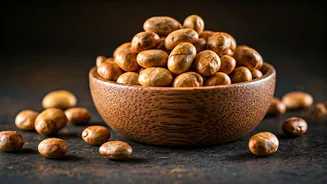
opportunity. These large, starchy seeds are not just edible; they are a traditional ingredient in their own right, often boiled and added to gravies or roasted over an open fire. Now, with a renewed focus on zero-waste cooking and healthy eating, home cooks are rediscovering what our grandmothers knew all along: the jackfruit seed is a treasure. By baking them, we transform these humble seeds from a culinary afterthought into a star player—a crunchy, satisfying snack that’s both sustainable and delicious.
What Makes Them a Healthy Choice?
The claim that jackfruit seeds are “healthy” is well-supported. They are packed with complex carbohydrates, providing sustained energy without the spike of simple sugars. They are also a good source of plant-based protein and dietary fibre, which aids digestion and promotes a feeling of fullness, helping to curb overeating. Nutritionally, they contain essential minerals like zinc, iron, magnesium, and potassium. Furthermore, they are rich in prebiotics, which feed the good bacteria in your gut, supporting overall digestive health. One crucial point to remember: jackfruit seeds must always be cooked before consumption. Raw seeds contain anti-nutrients like tannins and trypsin inhibitors, which can interfere with nutrient absorption and cause digestive upset. Boiling or roasting neutralises these compounds, making the seeds safe and nutritious to eat.
How Do They Compare to Popcorn?
So, are they really the “new popcorn”? Let’s compare. A serving of plain, air-popped popcorn is a low-calorie, high-fibre snack. However, the comparison gets interesting when we look at nutritional density. Jackfruit seeds offer more protein and a wider array of minerals per serving. While slightly more calorie-dense than plain popcorn, the calories come from complex carbs and protein, making them more satiating. In terms of texture, baked jackfruit seeds have a dense, satisfying crunch that’s different from popcorn's light airiness—think more like a roasted chestnut or a very crunchy potato. The flavour is mild and nutty, making them a perfect canvas for any seasoning you would normally sprinkle on popcorn, from simple salt to spicy chaat masala.
Your Step-by-Step Guide to Crispy Seeds
Ready to try them? The process is simple. 1. **Collect and Clean:** The next time you cut a jackfruit, save the seeds. Wash them thoroughly to remove any sticky residue from the fruit’s flesh. 2. **Boil First:** Place the clean seeds in a pot of water and bring to a boil. Cook for about 20-30 minutes, or until they are tender enough to be pierced with a fork. This step is essential for cooking the seed through and making it safe to eat. 3. **Peel:** Drain the seeds and let them cool slightly. The seeds have two layers: a thin, white outer skin and a brownish, paper-like inner layer. Both need to be peeled off. The outer skin should slip off easily after boiling. The inner layer can be trickier, but a small knife can help you get it started. This is the most time-consuming part, but it's worth it for the final texture. 4. **Season:** Toss the peeled seeds in a bowl with a teaspoon of your favourite oil (coconut, olive, or vegetable oil works well) and your choice of seasonings. Keep it simple with salt and pepper, or get creative. 5. **Bake to Perfection:** Spread the seasoned seeds in a single layer on a baking sheet. Bake in a preheated oven at 200°C (400°F) for 15-20 minutes, or until they are golden brown and crispy. Shake the tray halfway through to ensure they bake evenly.
Get Creative with Flavours
The beauty of baked jackfruit seeds lies in their versatility. Their mild, nutty base pairs well with a huge range of spices. For a classic Indian twist, toss them with a pinch of turmeric, red chilli powder, and a generous sprinkle of chaat masala after baking. A mix of garlic powder, onion powder, and dried oregano gives them a savoury, Italian-inspired kick. For something simple and smoky, try smoked paprika and salt. You can even go sweet by tossing them with a little cinnamon and a tiny bit of jaggery powder in the last few minutes of baking. Experimentation is key to finding your perfect flavour combination.