
The Why and How of Quarantine
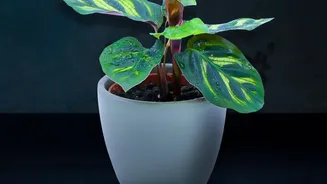
Quarantining a new houseplant is the single most effective step you can take to prevent the introduction of pests and diseases. Most infestations of common pests like spider mites, mealybugs, thrips, and fungus gnats begin with a new plant that appeared
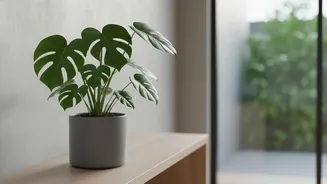
healthy at the store. The process is simple: isolate the new plant in a separate room, away from your other plants, for a period of two to four weeks. This duration is crucial as it covers the life cycle of most common pests, allowing hidden eggs to hatch and reveal any underlying issues. A bathroom or a spare room windowsill works perfectly; the key is physical separation so pests cannot travel from the new plant to your established ones.
The Unified Inspection: Look Above the Soil
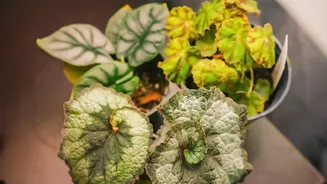
A healthy plant is a connected system, and the leaves often tell stories about what's happening below the surface. Instead of just looking for bugs, inspect the entire upper portion of the plant. Check the tops and undersides of every single leaf, paying close attention to where the leaf meets the stem. Look for fine webbing (a sign of spider mites), tiny white cottony masses (mealybugs), or flat brown bumps (scale insects). Also, observe the leaves themselves. Yellowing leaves can signal root damage from overwatering, while speckled or silvery damage might point to thrips. A holistic view is key; don't just see a yellow leaf, ask what it might be connected to in the soil.
The Unified Inspection: Go Below the Surface
What happens in the soil is just as important as what you can see on the leaves. Problems like root rot from overwatering, or pests living in the potting mix, are common in new plants. Don't be afraid to gently slide the plant out of its nursery pot to inspect the root ball. Healthy roots are typically firm and white or light-colored. If you see brown, soft, or mushy roots, the plant is likely suffering from root rot. While you have it out, check the soil for the larvae of fungus gnats, which look like tiny white worms, or other pests like millipedes that may have moved in. The smell of the soil can also be an indicator; a sour or rotten smell points to poor drainage and bacterial growth.
Your Integrated Quarantine Checklist
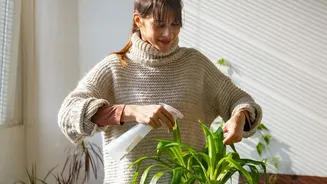
Combining these checks into a single, routine inspection makes the process more efficient and effective. Think of it as one comprehensive health check. Here is your unified checklist: 1. Isolate Immediately: Place the new plant in a separate room for a minimum of two weeks, with four weeks being ideal for greater safety. 2. Initial Rinse & Wipe: Gently rinse the foliage with water to dislodge any surface pests. Wipe down the leaves and stems with a soft cloth. 3. Above-Ground Check: Inspect all leaves (top and bottom), stems, and crevices for visible pests like mealybugs, scale, or the fine webbing of spider mites. Look for leaf damage like spots, holes, or discoloration. 4. Below-Ground Check: Examine the soil surface for fungus gnats or their larvae. If possible, gently check the root system for signs of root rot (mushy, brown roots) and look for pests in the soil. 5. Monitor Weekly: Repeat the integrated leaf and soil inspection weekly throughout the quarantine period. Look for any changes, as pest eggs can hatch over time. 6. Preventative Treatment (Optional): Towards the end of a successful quarantine, you can consider a preventative spray with insecticidal soap or neem oil for extra peace of mind before introducing it to your other plants.