


The Digital Aisles: Convenience at Speed
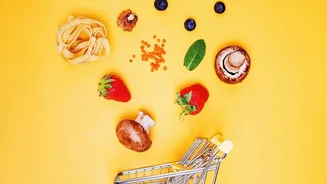
Perhaps the most dramatic shift has been the move from physical markets to digital carts. The days of weekly planned grocery runs are being replaced by on-demand purchases. The rise of 'quick commerce' platforms delivering essentials in under 30 minutes
has been a game-changer, especially in urban India. In 2024, quick commerce accounted for over two-thirds of all online grocery orders. This isn't just about impulse buys; staples are a leading category, challenging the idea that these services are only for top-ups. This shift is driven by convenience, with a large number of consumers now preferring online platforms for their efficiency, saving time on travel, parking, and queues.
Health is the New Wealth
Today's consumers are scrutinizing labels like never before. There's a powerful move towards 'clean-label' and 'better-for-you' products, with 74% of consumers reading ingredient lists before buying. This health-consciousness is fueling the demand for organic food. The Indian organic market was valued at over $2.3 billion in 2025 and is projected to grow significantly. While it's still a niche market, a growing number of shoppers are willing to pay a small premium for foods they perceive as healthier and safer. This trend extends to a focus on nutrition, with consumers actively seeking out functional foods, non-GMO products, and items that support long-term wellness.
The Plant-Based Boom
Rooted in a strong vegetarian culture, India's interest in plant-based alternatives is transforming from a niche category into a significant market segment. The market, valued at around $91 million in 2026, is projected to grow substantially. This isn't just about veganism; it’s driven by health-conscious and flexitarian consumers. Plant-based dairy is leading the charge, holding an estimated 48% of the plant-based market share in 2026. The rising awareness of lactose intolerance, coupled with better-tasting products like almond and oat milk, has made these alternatives a common sight in both cafes and home refrigerators.
A Taste for Premium and Local
While shoppers remain price-conscious, there's a clear trend towards 'premiumisation'. A 2026 study noted that a significant number of Indian shoppers now favour premium store brands, indicating a search for higher quality and better value for their money. This willingness to upgrade is seen not just in metros but also in Tier 2 and Tier 3 cities. At the same time, there's a strong counter-current of valuing the local. A robust sentiment for 'Made in India' brands persists, and consumers are showing renewed interest in traditional, regional, and seasonal ingredients. This dual trend shows a consumer who is both globally aware and locally rooted.
Ready When You Are
The demand for convenience extends beyond delivery. The fast-paced lifestyle of urban India, particularly among working couples and nuclear families, has fueled a boom in the ready-to-eat (RTE) and ready-to-cook (RTC) categories. These products offer a solution to time-crunched consumers who still want home-style meals without the extensive prep work. The market includes everything from frozen parathas and heat-and-eat curries to pre-marinated proteins and meal kits. This segment bridges the gap between a fully home-cooked meal and ordering from a restaurant, offering a convenient, quick, and often-healthier middle ground that fits perfectly into the modern Indian lifestyle.