



Understand the Monsoon Risks
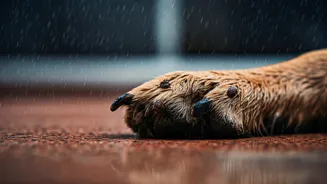
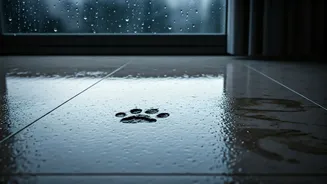
While a rainy walk can be fun, it exposes your pet’s paws to a host of problems. Paws that remain damp for extended periods become a breeding ground for fungal and bacterial infections. Constant moisture can soften the paw pads, making them more susceptible
to cuts and abrasions from rough, wet surfaces. The space between the toes is particularly vulnerable, often trapping moisture and debris, leading to painful conditions like pododermatitis (inflammation of the paw). This isn't just about cleanliness; it's about preventing discomfort and serious health issues that can take weeks to heal. Puddles can also hide sharp objects or contaminated water, adding another layer of risk to your daily walks.
Master the Post-Walk Routine
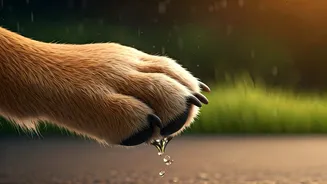
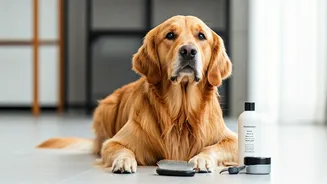
The most critical step in monsoon paw care is what you do the moment you walk back through the door. Create a dedicated cleaning station near your entrance with a towel, a bowl of clean, lukewarm water, and a gentle pet-safe antiseptic solution (like a diluted chlorhexidine solution, as recommended by your vet). Instead of a quick wipe, take the time to wash each paw thoroughly. Dip each foot in the water and gently use your fingers to clean between the toes and around the pads. This removes mud, grime, and any potential irritants or germs they’ve picked up. Avoid using human soaps or harsh detergents, as they can strip natural oils and cause severe skin irritation.
The Importance of Keeping Paws Dry
Washing is only half the battle; drying is just as crucial. A damp paw negates all your cleaning efforts and re-creates the perfect environment for infections. Use a soft, highly absorbent towel and meticulously dry each paw, paying special attention to the areas between the toes. For pets with long hair on their feet, you may need to be extra thorough. Some owners even use a hairdryer on a low-heat, low-speed setting, but only if the pet is comfortable with the noise and sensation. Ensure the paws are completely dry to the touch before letting your pet roam freely in the house. This single step is one of the most effective ways to prevent fungal growth.
Conduct Daily Paw Checks
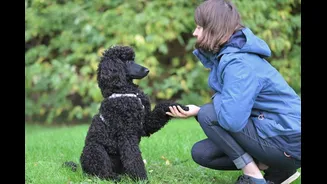
Make paw inspection a part of your daily routine, perhaps during a cuddle session when your pet is relaxed. Get them accustomed to you handling their feet. Look for any signs of trouble: redness, swelling, foul odour, or discharge between the toes. Check the pads for any cuts, cracks, or embedded objects. Is your pet excessively licking or chewing their paws? That's a major red flag indicating irritation or pain. Catching these issues early can prevent a minor irritation from escalating into a full-blown infection that requires veterinary intervention and medication. A quick daily check takes less than a minute but can save your pet a lot of suffering.
Consider Protective Gear and Trims
For some pets, especially those with sensitive skin or existing conditions, protective gear can be a game-changer. Waterproof booties can keep paws completely dry and clean, though not all pets will tolerate them. Introduce them slowly with positive reinforcement. Another helpful measure is keeping the hair around the paws and between the toes neatly trimmed. Long hair traps moisture, mud, and debris, making cleaning and drying more difficult. A professional groomer or your vet can show you how to do this safely, or you can have them do it regularly during the monsoon months. Additionally, applying a thin layer of a vet-approved paw balm or wax before walks can create a protective barrier against wetness and irritants.
Know When to Call the Vet
While diligent home care can prevent most problems, it's vital to know when professional help is needed. If you notice persistent limping, reluctance to walk, severe swelling, open sores, or a strong, unpleasant smell coming from the paws that doesn't resolve with cleaning, it's time to see the veterinarian. Excessive licking is also a clear signal to get a check-up. Do not try to treat what appears to be an infection with over-the-counter human creams or home remedies, as this can often make the problem worse. Your vet can accurately diagnose the issue—be it fungal, bacterial, or an allergy—and prescribe the correct treatment to get your pet back on all four feet comfortably.