



A Historic Shift in Strategy
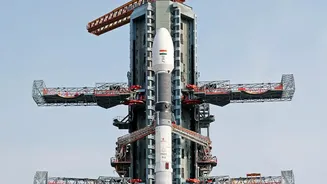
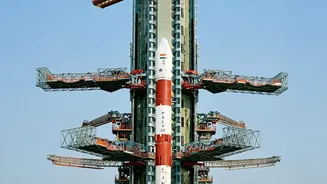
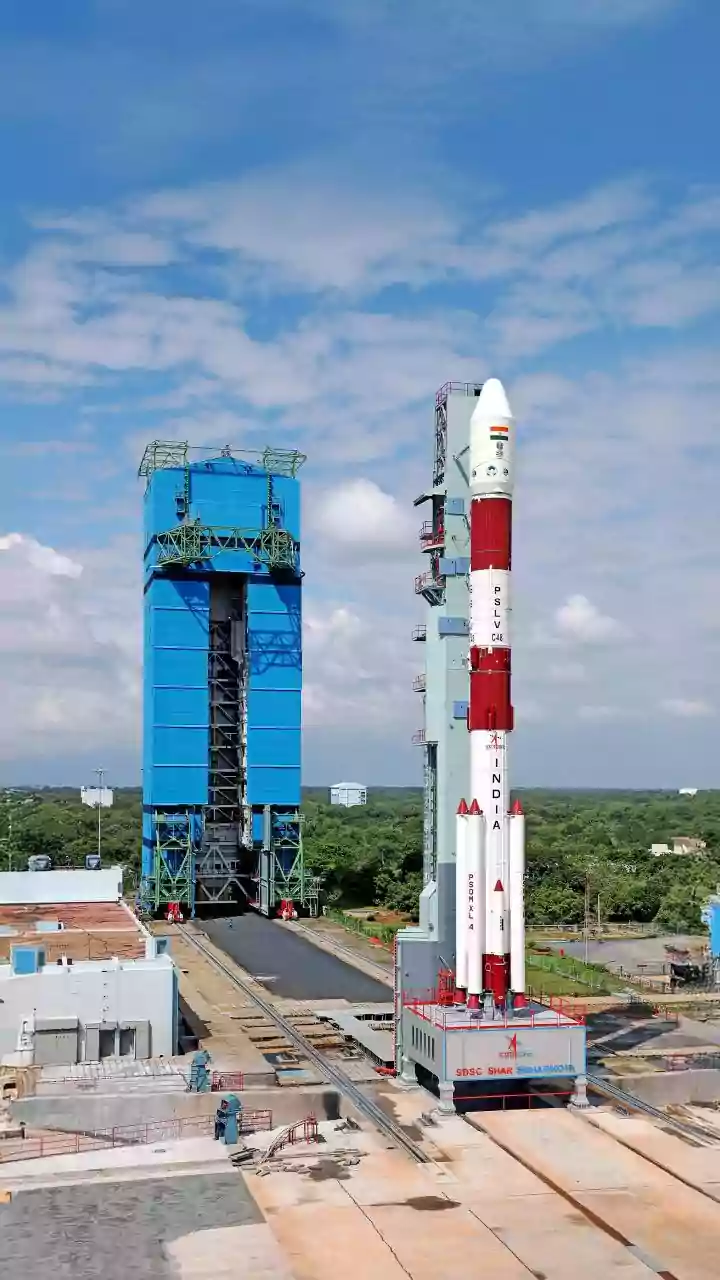
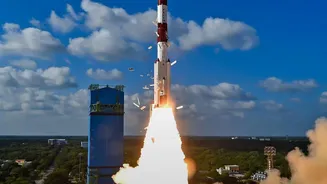
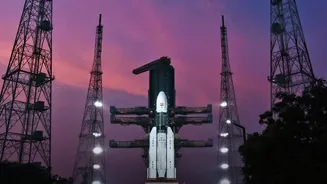
For decades, the Indian Space Research Organisation (ISRO) was the sole custodian of India's space ambitions, earning global respect for its cost-effective and successful missions. From the Mars Orbiter Mission to the historic Chandrayaan-3 landing near
the Moon's south pole, ISRO built a powerful legacy. However, to compete in the burgeoning global space market, a strategic evolution was necessary. In June 2020, the government initiated landmark reforms, opening the entire space value chain to private participation. This wasn't just about outsourcing; it was about creating a symbiotic ecosystem where ISRO's deep expertise could fuel the agility and innovation of private enterprise. The goal is ambitious: to grow India's share of the global space economy from its current 2-3% to 8% by 2033, and to expand the domestic space economy from around $8.4 billion to over $40 billion in the next decade.
The Twin Engines: IN-SPACe and NSIL
To manage this new era, the government established two crucial entities. The Indian National Space Promotion and Authorisation Centre (IN-SPACe) acts as the single-window agency to promote, authorise, and supervise all private space activities. It's the facilitator, helping startups access ISRO's world-class facilities, get technical mentorship, and navigate regulations. Its counterpart is NewSpace India Limited (NSIL), ISRO's commercial arm. Established in 2019, NSIL's mandate is to commercialise ISRO's technologies and services. This includes managing the production and launch of satellites on a commercial basis and, critically, handling the transfer of ISRO-developed technologies to the private sector. Together, IN-SPACe and NSIL form the bridge between public-sector legacy and private-sector ambition.
Technology Transfer in Action
One of the most tangible benefits for startups is access to ISRO's treasure trove of technology. Through Technology Transfer Agreements (TTAs) facilitated by IN-SPACe and NSIL, private firms are acquiring technologies for everything from satellite components to specialised adhesives. For instance, technologies for film adhesives developed by the Vikram Sarabhai Space Centre (VSSC) have been transferred to companies like Azista Composites, while a DC-DC converter from the UR Rao Satellite Centre (URSC) went to Ananth Technologies. This process not only helps startups accelerate their development but also strengthens India's domestic supply chain, reducing reliance on imports for critical components in sectors beyond space, including biomedical devices and industrial manufacturing. As of late 2025, nearly 100 such agreements had been executed, signalling a robust pipeline of innovation flowing from ISRO to the industry.
Startups Reaching for the Stars
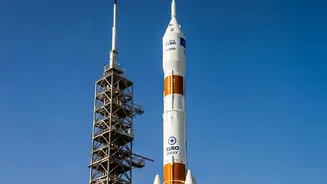
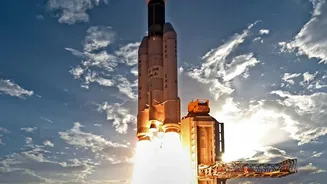
The impact of these policies is evident in the rapid growth and landmark achievements of Indian space startups. The number of active startups has soared from just one in 2014 to over 400 in 2026. Skyroot Aerospace, founded by former ISRO scientists, became the first Indian private company to launch a rocket into orbit with its Vikram-1 mission in July 2026. Agnikul Cosmos is pioneering 3D-printed rocket engines and has established its own launchpad and mission control room within ISRO's facilities. Meanwhile, companies like Pixxel are focusing on building constellations of Earth-observation satellites, and Dhruva Space is developing satellite platforms. This diversification shows that the ecosystem is not just about launches; it's about building capabilities across satellite manufacturing, propulsion systems, and data analytics.
Fueling Growth and Facing the Future
This boom is backed by significant investment, with the government launching initiatives like a ₹1,000 crore Venture Capital Fund and liberalising Foreign Direct Investment (FDI) policies to attract capital. However, challenges remain. While the policy framework is in place, ensuring regulatory clarity and cutting down launch costs are essential for sustained growth. There is also a growing debate around talent, with some experienced scientists leaving the government agency for the dynamic private sector, prompting ISRO to take steps to retain key personnel. By allowing private companies to handle more routine launches and commercial services, ISRO can now sharpen its focus on frontier science, deep space exploration like the Gaganyaan human spaceflight programme, and national security missions. This strategic division of labour is designed to propel the entire Indian space sector forward.