





Beyond Activism, A Practical Need
For decades, conversations about climate change were often seen through the lens of activism or complex international policy. It was a topic for scientists in labs and diplomats at global summits. But this perception is rapidly becoming outdated. The
effects of a changing climate are no longer distant or abstract; they are here, impacting our daily lives in tangible ways. Viewing climate knowledge as a 'life skill' means shifting our mindset. It’s not about protesting or becoming a scientist; it's about acquiring the practical wisdom needed to navigate a world where weather patterns are more extreme, resources are under stress, and new risks are emerging for our health and finances. Just as financial literacy helps you manage your money, climate literacy helps you manage your reality.
Protecting Your Health and Home
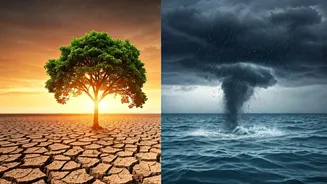
One of the most immediate areas where climate knowledge is vital is personal health. India is experiencing more frequent and intense heatwaves. Knowing how to read heat advisories from the India Meteorological Department (IMD), understanding the signs of heatstroke, and knowing how to keep your home cool without solely relying on electricity are now essential skills. Similarly, shifting monsoon patterns are leading to both prolonged droughts and intense urban flooding. A basic understanding of your city’s flood-prone zones, having an emergency kit ready, and knowing how to secure your home are no longer paranoid preparations but prudent planning. Climate change also alters the spread of vector-borne diseases like dengue and malaria, as warmer temperatures allow mosquitoes to thrive in new regions. Being aware of these changing risks allows you to take timely preventive measures for your family.
Securing Your Finances and Career
The economic impacts of climate change are not just for corporations to worry about. On a personal level, your finances are directly affected. Unpredictable weather can lead to crop failures, which in turn causes sharp spikes in the price of everyday vegetables and grains at your local market. Understanding these supply chain vulnerabilities can help you budget more effectively. If you're looking to buy a home, climate knowledge becomes a crucial part of your due diligence. Is the property in a water-scarce area or a potential flood zone? These questions are as important as checking the plumbing. Professionally, climate literacy is becoming a competitive advantage. The 'green economy' is creating new jobs in renewable energy, sustainable agriculture, waste management, and climate-resilient infrastructure. But even outside these sectors, employers in fields from finance to logistics increasingly value employees who understand climate risks and opportunities.
What This 'Skill' Actually Looks Like
So, what does it mean to be 'climate-skilled'? It doesn't require a PhD in atmospheric science. Instead, it’s about developing a set of practical competencies. First, it’s about information literacy: learning where to find reliable local weather and climate information (like the IMD website) and how to distinguish it from misinformation. Second, it’s about resource management: knowing simple techniques for water conservation at home, reducing food waste, and making energy-efficient choices. Third, it’s about risk assessment: being able to look at your daily routine, your home, and your community and ask, 'How might extreme weather affect this?' Finally, it’s about community awareness: participating in local discussions about water management or urban planning, and understanding how your neighbourhood is preparing for future challenges. This skill is built not through memorisation, but through attention and adaptation.