


The Green Superfood Hiding in Plain Sight
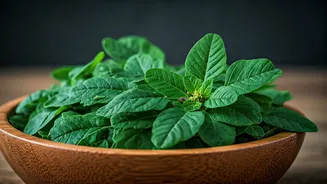
Moringa oleifera, known to many in India as ‘sahjan’ or the drumstick tree, is not a new discovery. For generations, its leaves, pods, and flowers have been a part of regional cuisines. What is new, however, is its global recognition as a 'superfood',
largely thanks to its powdered leaf form. This fine, vibrant green powder concentrates the plant's immense nutritional benefits into a convenient, easy-to-use ingredient. While the West is just catching on, many in India are rediscovering this humble backyard tree as a modern wellness tool. The powder makes it possible to incorporate moringa’s benefits daily, without having to source and cook fresh leaves.
A Nutritional Powerhouse in a Teaspoon
The claims about moringa sound almost too good to be true, but they are backed by its dense nutritional profile. Gram for gram, moringa leaf powder is packed with essentials. It contains significant amounts of Vitamin A (crucial for vision and immunity), Vitamin C (a powerful antioxidant), and Vitamin B6. It's also a rich source of minerals like iron, which is vital for preventing anaemia, magnesium for muscle and nerve function, and potassium. Furthermore, moringa is loaded with antioxidants like quercetin and chlorogenic acid, which help combat oxidative stress and inflammation in the body. This isn't just a supplement; it's a whole food providing a wide spectrum of nutrients.
The Ultimate Plant-Based Diet Hack
For those following a vegetarian or vegan diet, the term 'game-changer' is not an exaggeration. One of the biggest challenges in plant-based eating is sourcing 'complete proteins'—those that contain all nine essential amino acids our bodies cannot produce. Moringa powder is one of the very few plant foods that does. This makes it an invaluable addition to a diet that relies on combining different foods (like dal and rice) to achieve a complete amino acid profile. By simply adding a spoonful of moringa, you are ensuring your body gets the fundamental building blocks it needs for muscle repair, hormone production, and overall cellular health, making your plant-based diet more robust and nutritionally complete.
Why Dal Is the Perfect Partner
So, why dal? The answer lies in its taste, texture, and ubiquity. Moringa powder has a distinct, earthy flavour, often described as similar to spinach or matcha, with a slightly bitter aftertaste. For someone new to it, this taste can be overpowering. Dal, with its complex and robust spices—turmeric, cumin, coriander, and garam masala—is the perfect vehicle to mask this earthiness. The creamy, thick consistency of a well-cooked dal allows the fine powder to dissolve completely without altering the texture. Most importantly, dal is a daily habit. By tying a new nutritional practice to an existing ritual, you make it effortless to maintain. It’s far easier than remembering to take a separate supplement.
How to Add Moringa to Your Dal
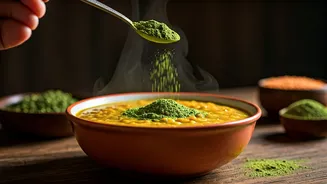
Incorporating moringa is simple, but there's one crucial rule: add it at the end. High heat can degrade some of its delicate vitamins and antioxidants. The best practice is to cook your dal completely as you normally would. Once it’s off the heat and has cooled slightly but is still hot, stir in the moringa powder. Start with a small amount—about half a teaspoon per serving—to allow your palate to adjust. You can gradually increase it to a full teaspoon. Whisk it in thoroughly to avoid clumps. This method ensures you get the maximum nutritional benefit without compromising the flavour of your beloved dal. For a simple tadka dal, prepare your dal, add your tadka, and then stir in the moringa powder just before serving.
A Few Things to Keep in Mind
While moringa is generally safe for most people, it's potent. Starting with a small dose is key to let your digestive system adapt. Some people may experience mild digestive upset if they consume too much too soon. Always choose a high-quality, organic moringa powder from a reputable source to avoid contaminants. The powder should be a bright green colour; a brownish hue indicates it may be old or improperly processed, which can affect its nutritional value. As with any potent supplement, it's wise to listen to your body and see how you feel after incorporating it into your routine.