



An Enduring Cultural Staple
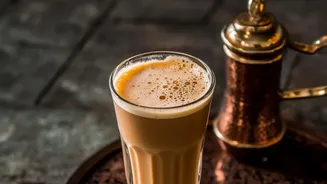
Tea, or 'chai' as it's more affectionately known, is woven into the very fabric of Indian life. It transcends social and economic barriers, fuelling everything from high-powered business meetings to roadside gossip sessions. The traditional masala chai,
a robust blend of black tea, milk, sugar, and spices like cardamom, ginger, and cloves, has long been cherished for its invigorating aroma and comforting warmth. This daily ritual is more than just a habit; it's a cultural cornerstone, a moment to pause and connect.
The Modern Wellness Wave
A growing global focus on wellness and preventive healthcare is now reshaping this age-old tradition. Indian consumers, particularly younger generations, are becoming more health-conscious. This shift has led many to look at their daily chai not just as a source of comfort, but as an opportunity for nourishment. The pandemic further accelerated this trend, increasing demand for functional and herbal beverages that are believed to boost immunity. As a result, the simple cup of tea is being transformed into a personalised wellness drink, infused with ingredients that offer targeted health benefits.
From the Spice Box to the Tea Cup
This new approach involves raiding the traditional Indian spice box, but with a renewed focus on the medicinal properties of its contents. While ginger and cardamom have always been chai staples, a wider array of herbs and spices are now making their way into the brew. Turmeric, celebrated for its anti-inflammatory compound curcumin, is a popular addition. So are tulsi (holy basil), known for its stress-reducing properties, and moringa, which is packed with nutrients. Spices like cinnamon, cloves, and black pepper are also being appreciated not just for flavour, but for their antioxidant, anti-inflammatory, and digestive benefits.
Ayurveda’s Timeless Influence
Much of this trend is rooted in a modern resurgence of Ayurveda, India's ancient system of natural healing. For centuries, Ayurveda has used herbal decoctions, known as 'kashayam' or 'kwath', to promote balance and well-being. Ingredients like tulsi, ginger, ashwagandha, and licorice root are cornerstones of Ayurvedic practice, valued for their ability to support immunity, aid digestion, and help the body manage stress. The current trend sees these ancient principles being applied to the daily tea ritual, turning a simple beverage into a purposeful act of self-care. This alignment with traditional knowledge makes the shift feel both authentic and accessible to many Indian households.
The Market Catches On
This grassroots movement hasn't gone unnoticed by the wider market. The Indian tea market is seeing rapid growth in the herbal, functional, and specialty tea segments. Numerous startups and established brands are launching new product lines that cater to this demand, offering everything from immunity-boosting blends to calming bedtime teas. These products often highlight specific ingredients like ashwagandha, turmeric, or moringa, appealing to consumers looking for targeted benefits. The rise of e-commerce has made these specialty teas more accessible than ever, with online sales for such products seeing significant year-on-year growth.
Balancing Tradition and Health
While adding herbs and spices can certainly enhance the nutritional profile of tea, it's about finding a balance that works for the individual. The classic spices in masala chai already offer a range of potential health benefits, from aiding digestion to reducing inflammation. The new additions simply broaden this palette. This evolution isn't about replacing the beloved masala chai, but about expanding its definition. It reflects a desire to hold onto a cherished cultural tradition while adapting it to meet the wellness goals of a new generation. The simple act of making tea becomes a mindful practice, a moment to create a blend that is both comforting and consciously nutritious.