





The Promise of 'Family-Friendly'
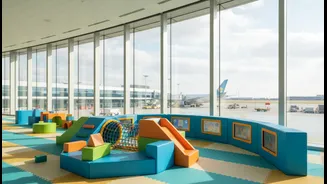
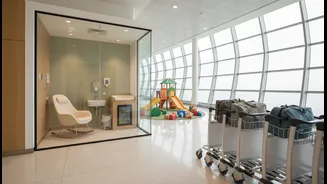
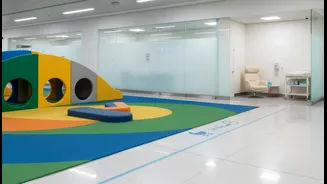
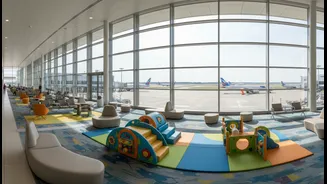
Airports are increasingly competing to attract families by rolling out a host of thoughtful amenities. This can include everything from dedicated play areas where kids can burn off pre-flight energy to special family lanes at security designed to reduce
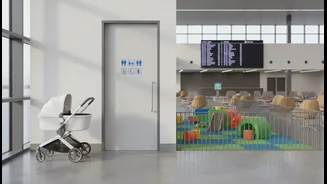
stress. Many terminals now feature nursing rooms or pods for privacy, family restrooms with changing tables, and even kid-friendly restaurants. Some airports have gone further, installing sensory rooms for children who find the environment overwhelming and offering free activity kits to keep little ones engaged. In theory, these features transform a stressful gauntlet into a manageable, even enjoyable, part of the holiday. The goal is to turn dreaded dwell time into an opportunity for kids to play and parents to relax.
Where Design Meets Reality
The reality for many parents is that these well-intentioned features often fall short. A play area is of little use if it's located in a different terminal from your departure gate. A designated family restroom might be occupied or unclean when you need it most. The biggest challenge is that airport environments are fundamentally built for adult efficiency, not childhood comfort. Long walks, unexpected gate changes, and the sheer sensory overload of a bustling terminal can exhaust a child long before they even reach the 'fun' part. Furthermore, the smoothest parts of the journey, like family boarding, can sometimes backfire; boarding early often means more time spent trying to keep a restless child contained in a cramped airplane seat before takeoff.
Your Pre-Flight Strategy
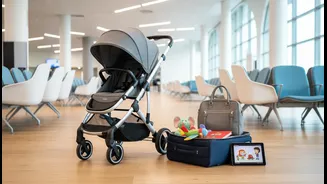
The most effective tool for a successful airport experience is preparation. This starts long before you leave for the airport. Check the airline's family seating policy when you book to avoid being separated on the plane. A day or two before your flight, talk to your children about what to expect—the security lines, the noise, and the need to wait—to make the process feel less intimidating. When packing, think in terms of accessibility. Your carry-on should be an oasis with easy-to-reach snacks, a fully charged tablet with headphones, comfort items like a favourite blanket, and a change of clothes for everyone. Arriving early is perhaps the single most important rule; everything takes longer with kids, and rushing is a primary source of stress for both parents and children.
Navigating Any Airport Like a Pro
Regardless of an airport's amenities, a few universal strategies can make a world of difference. If you're using a stroller, keep it as empty as possible for a quick fold-down at security. Many parents find it useful to have one adult board early during pre-boarding to settle bags and car seats, while the other waits with the kids at the gate, allowing them a few more minutes to move freely. Before you board, make a final bathroom stop an absolute priority, as it can be a surprisingly long time before the seatbelt sign is turned off after takeoff. Most importantly, treat the airport as part of the adventure. Playing simple games like 'I Spy' or going on a scavenger hunt can turn a long wait into a fun activity and help manage a child's energy and expectations.
The Mindset That Saves the Day
Ultimately, a smooth airport experience is less about perfect facilities and more about managing energy—both yours and your child's. Meltdowns are often the result of physical exhaustion and overstimulation. A child who has been rushed, dragged, and told to hurry will arrive at the gate with their patience already worn thin. Focus on conserving their energy. Let them walk when possible but be prepared to carry them or use a stroller. Accept that there will be delays and unpredictable moments. A parent who remains calm and flexible sets a positive tone that children will pick up on. The goal isn't to have a perfect, seamless journey, but to navigate the inevitable bumps with patience and a well-packed bag of snacks.