

Rajasthan's Open-Air Art Gallery
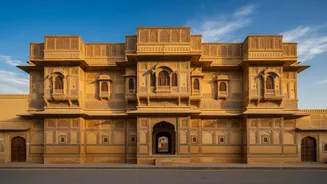
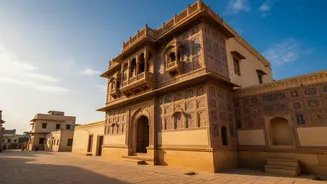
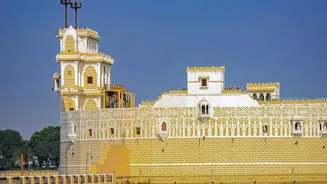
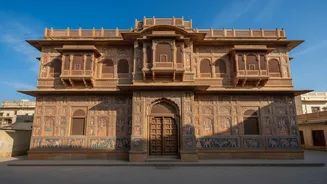
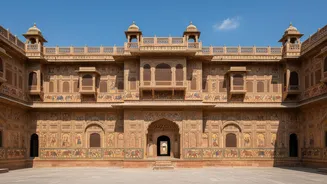
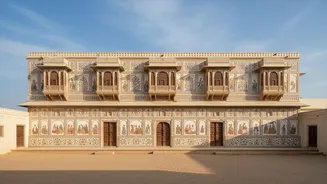
Often called the 'world's largest open-air art gallery', Shekhawati is a semi-arid historical region in northeastern Rajasthan known for its extraordinary havelis (traditional mansions). Built predominantly by wealthy Marwari merchants between the 18th
and early 20th centuries, these structures served as opulent displays of their success. What makes them truly special are the intricate frescoes covering nearly every surface, from grand facades to intimate inner courtyards. These murals are a vivid chronicle of the era, depicting everything from mythological tales of Krishna to the arrival of modern technology like steam trains, gramophones, and British figures, creating a unique blend of tradition and modernity frozen in time.
The Allure of the Haveli Homestay
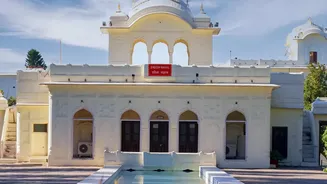
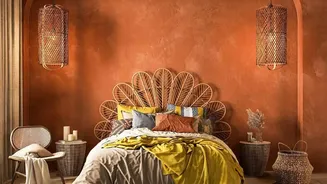
While many havelis have fallen into disrepair, a growing number have been meticulously restored and converted into heritage hotels and homestays. This offers travellers an experience far removed from a standard hotel stay. Instead of just visiting a monument, you get to live within one. These homestays allow guests to immerse themselves in the architecture, surrounded by frescoed walls, intricately carved wooden doors, and spacious courtyards that echo with stories of a bygone era. The hospitality is often personal, with hosts sharing the history of their ancestral homes, providing a deeper connection to the local culture and the families who shaped the region's artistic legacy. Many stays also offer unique local experiences, such as guided tours, traditional Rajasthani meals, and even Ayurvedic treatments.
A Quieter, More Authentic Experience
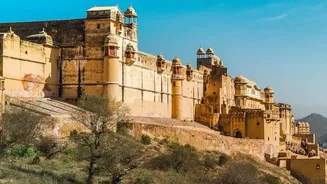
Unlike the well-trodden tourist circuits of Rajasthan, Shekhawati offers a slower, more contemplative pace of travel. Towns like Mandawa, Nawalgarh, and Fatehpur are hubs of artistic heritage where you can wander through quiet lanes and discover hidden masterpieces without the usual throngs of tourists. Mandawa often serves as a great starting point, with its fort (now a heritage hotel) and a high concentration of painted havelis. Nawalgarh is celebrated for the sheer density and quality of its frescoes, with the Podar Haveli Museum offering fantastic insight into the art form. Fatehpur, considered the region's cultural capital, is home to some of the most stunning and well-preserved artwork, including at the French-restored Nadine Le Prince Haveli.
Exploring Beyond the Frescoes
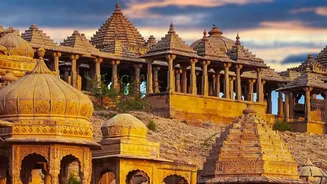
While the art is the main draw, the region's appeal is also in its authentic, unpolished charm. The quiet atmosphere allows for genuine cultural encounters that can be rare in more commercialized destinations. Visitors can explore bustling local markets, visit ancient temples and cenotaphs (chhatris), and observe a way of life that feels connected to its deep historical roots. Some heritage properties even arrange for village safaris or horse-riding excursions into the surrounding desert landscape, providing another perspective on this fascinating corner of India. The experience is less about ticking off a list of sights and more about absorbing the unique atmosphere of a place where art and history are woven into the fabric of daily life.