





The New Rules of Eating
The Indian plate is undergoing a significant transformation, driven by a powerful new focus on health and wellness. No longer are conversations about nutrition confined to niche circles; they are now part of mainstream family life. Urban consumers, in particular,
are increasingly aware of lifestyle-related health issues and are proactively seeking out healthier options. This shift is reflected in shopping baskets, where functional foods—those offering benefits beyond basic nutrition—are gaining prominence. Terms like 'high-protein', 'gluten-free', and 'low glycemic index' have entered the everyday vocabulary, influencing purchasing decisions from the supermarket aisle to the online cart. It’s a move away from simply eating, towards eating with intention.
Makhana: From Fasting Food to Prime-Time Snack
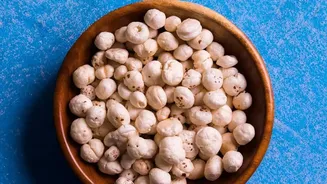
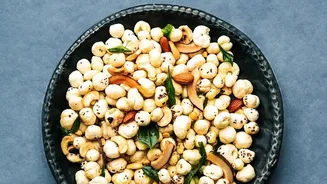
Makhana, or fox nuts, have seen a meteoric rise from a traditional food, often consumed during religious fasts, to a front-and-centre packaged snack. This ancient superfood, primarily cultivated in Bihar, is now a multi-crore industry poised for significant growth. Its appeal lies in its versatility and strong health credentials; it is low in calories, rich in protein, and gluten-free. Packaged in a variety of modern flavours, from peri-peri to pudina, makhana has become the go-to guilt-free alternative to fried potato chips and other namkeens. This evolution perfectly captures the new Indian snacking habit: a demand for crunch and convenience, but with a nutritional payoff.
Millets: The Ancestral Grain Makes a Comeback
Once considered a humble 'poor man’s grain', millets are now celebrated as a superfood. Thanks to a combination of government initiatives, like the International Year of Millets, and a growing consumer demand for sustainable and nutritious grains, varieties like jowar, bajra, and ragi are being rediscovered. India is the world's largest producer of millets, which are prized for being climate-resilient and packed with fibre, protein, and essential minerals. They are no longer just for traditional rotis; chefs and home cooks are creatively incorporating them into everything from breakfast porridges and dosa batters to salads and biryanis. This revival highlights a desire to reconnect with agricultural roots while embracing modern health trends.
Greek Yoghurt: The Global Trend with an Indian Embrace
The appearance of Greek yoghurt in Indian dairy aisles signals a growing appetite for global wellness trends. Unlike traditional dahi, Greek yoghurt is strained to remove most of the whey, resulting in a thicker, creamier product with double or even triple the protein content. This makes it highly attractive to the country's fitness-conscious demographic. Brands have successfully positioned it as a high-protein, low-sugar option perfect for a quick breakfast, a post-workout snack, or a healthy ingredient in cooking. While premium at first, major Indian dairy players have entered the market, making it more accessible and driving its rapid growth across urban centres. It's a prime example of a global product finding a firm footing by catering to the evolving priorities of the Indian consumer.