


The Dazzling Perseid Meteor Shower
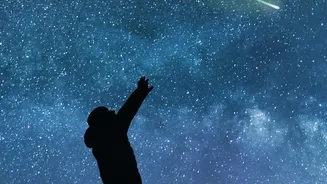
This is the headline event of the month, and astronomers say 2026 will be one of the best years to watch it. The Perseid meteor shower, known for its bright and frequent meteors, will peak on the night of August 12 and into the pre-dawn hours of August 13.
This year’s peak coincides perfectly with a New Moon, which means the sky will be exceptionally dark, offering perfect viewing conditions without any moonlight to wash out the show. The Perseids are caused by Earth passing through the debris trail left by Comet Swift-Tuttle. As these tiny particles enter our atmosphere, they burn up, creating the beautiful streaks of light we call 'shooting stars'. In ideal conditions, far from city lights, you could see between 50 and 100 meteors per hour. For the best experience in India, find a dark, open area and look towards the northeastern sky. The show gets better after midnight, with the prime viewing window being from 2:00 AM to 4:30 AM IST on August 13.
A Grand Parade of Six Planets
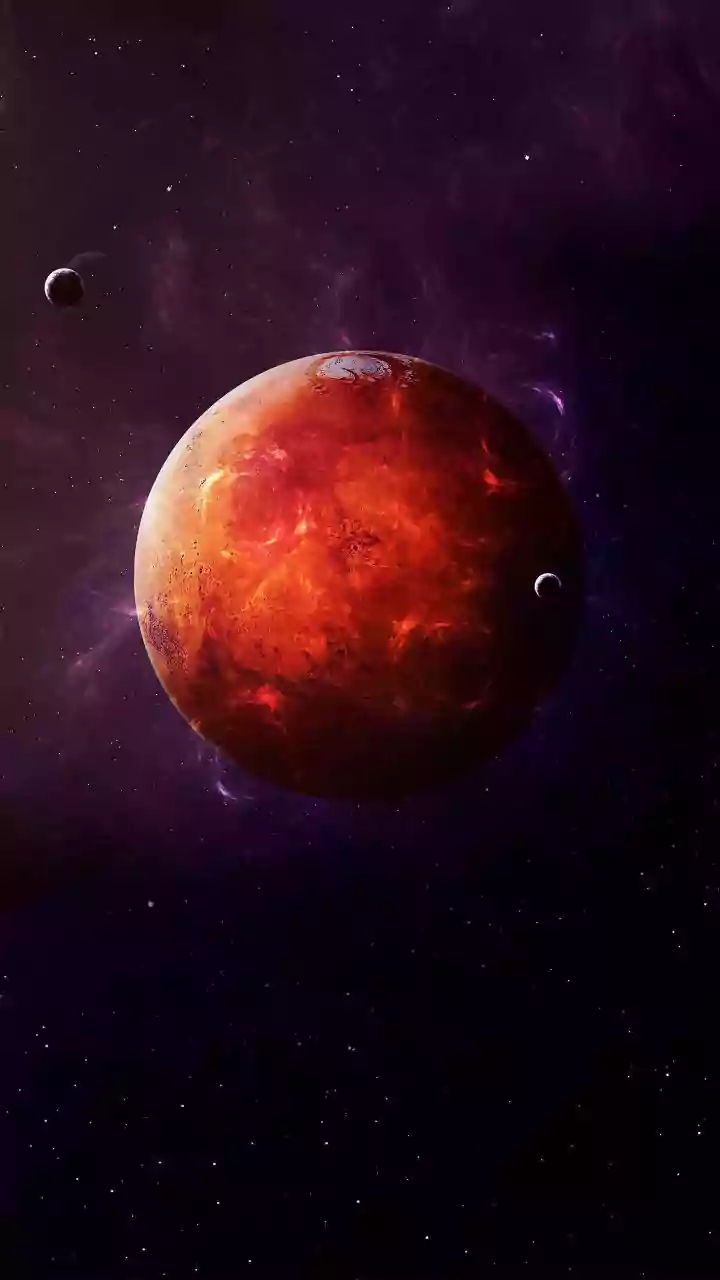
As a stunning prelude to the meteor shower, the pre-dawn sky on August 12 and 13 will feature a 'planet parade'. Six planets—Mercury, Mars, Jupiter, Saturn, Uranus, and Neptune—will appear to align in a sweeping arc across the sky. This isn’t a literal straight line in space, but a beautiful line-of-sight phenomenon from our perspective on Earth. From India, the best time to witness this will be about 60 to 90 minutes before your local sunrise. Look towards the eastern horizon. Mars and Saturn will be the easiest to spot with the naked eye. Jupiter and Mercury will also be visible but will be very low on the horizon, making them a bit more challenging to find without a clear, unobstructed view. To catch a glimpse of the distant ice giants, Uranus and Neptune, you will need a good pair of binoculars or a small telescope. Venus will not be participating in this particular celestial gathering.
Saturn at Its Brightest
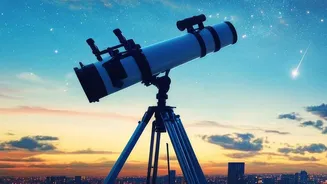
The magnificent ringed planet, Saturn, will be a star attraction throughout August. While its official 'opposition'—the point when Earth passes directly between Saturn and the Sun—is in early October, the planet will be big and bright in our sky all through late August. Opposition makes a planet appear at its largest and brightest for the year, and in August, Saturn will already be putting on an excellent show. It will rise in the east around sunset and remain visible for most of the night, making it a fantastic target for anyone with a small telescope. Even a basic telescope can reveal its iconic rings, a sight that never fails to amaze. Towards the end of the month, from August 28 to 31, the nearly-full Moon will pass close to Saturn in the sky, making the planet incredibly easy to locate.
The Full Sturgeon Moon
The month concludes with a beautiful full moon on August 28, traditionally known as the Sturgeon Moon. This name comes from the fishing tribes around North America's Great Lakes, who found that sturgeon were most easily caught during this time of year. While this full moon is associated with a deep partial lunar eclipse, unfortunately, the eclipse phase itself will not be visible from India. The eclipse will occur when the Moon is below the horizon for our region of the world. However, you can still enjoy the sight of the brilliant Sturgeon Moon rising in the eastern sky on the evening of August 27 and the night of August 28. It will illuminate the night sky, offering a classic and serene celestial view to round out an exciting month of stargazing.