


The Monsoon Menace: Why Food Spoils Faster
The magic of the monsoon is its moisture, but that same humidity is a major risk for food safety. Increased moisture in the air allows harmful bacteria like E. coli and Salmonella to multiply rapidly on food surfaces. This warm, damp environment means
that cooked dishes left at room temperature can become unsafe much quicker than in drier seasons. The risk isn't just about spoilage you can see or smell; food can look and taste perfectly normal but still harbour dangerous bacteria, making proper storage non-negotiable. This is why foodborne illnesses often see a spike during the rainy months.
The Two-Hour Rule: Your First Line of Defence
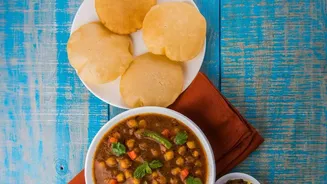
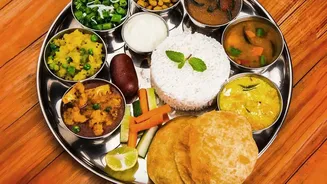
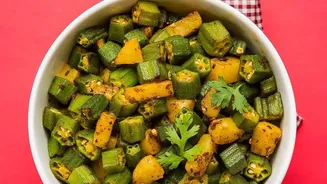
The most critical rule for food safety is to not leave perishable cooked food at room temperature for more than two hours. During particularly hot and humid monsoon days, this window shrinks to just one hour. This applies to almost all everyday Indian cooking, including dals, curries, cooked rice, sabzis, and any dishes containing meat, eggs, or dairy. Letting a pot of curry or dal cool on the counter for several hours is a common mistake that invites bacterial growth. To speed up the cooling process, you can divide large quantities into smaller, shallower containers. Once the food stops steaming, it's ready for the fridge.
Smart Refrigeration for Indian Kitchens
Proper refrigeration is more than just putting food inside. Always use airtight containers to prevent cross-contamination and keep moisture out. Glass containers are an excellent choice as they don't absorb stains or odours from rich gravies and spices. Labeling containers with the date can help you track freshness. It's also vital to keep your refrigerator clean and not overcrowded, as this allows air to circulate and maintain a consistent, cool temperature. Be sure to store raw meat and eggs separately from cooked food to avoid contamination.
Handling Leftovers: From Curries to Rice
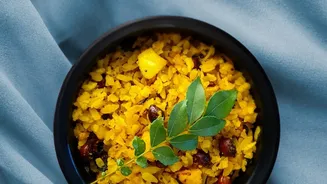
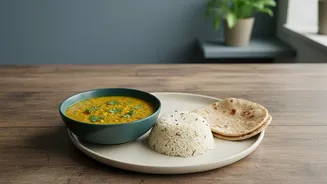
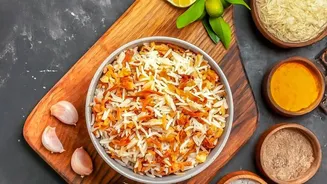
Different dishes require slightly different care. Most vegetable and meat-based curries and dals can last for about 3-4 days in the fridge when stored correctly in an airtight container. However, dishes with a lot of dairy, like yogurt or cream-based gravies, may spoil faster and should be consumed within two days. Cooked rice is a high-risk food, as certain bacteria can survive the cooking process and multiply if the rice is left at room temperature. Always refrigerate leftover rice promptly. Rotis and other breads can be wrapped in aluminium foil and stored in an airtight container for up to two days.
Reheating and When to Let Go
When you're ready to eat your leftovers, reheating them thoroughly is just as important as storing them correctly. Heating food until it is steaming hot helps kill any bacteria that might have developed. Avoid reheating the same food multiple times, as repeated temperature changes can degrade its quality and safety. Finally, trust your senses, but also be cautious. If a dish looks or smells off, or if you're in any doubt about how long it has been stored, the safest choice is always to discard it. It's better to waste a small amount of food than to risk a nasty bout of food poisoning.
Freezing for Longer Shelf Life
If you know you won't be able to consume leftovers within a few days, the freezer is your best friend. Most Indian curries and dals freeze exceptionally well for 2-3 months. It’s best to freeze food in single-serving portions to avoid thawing and refreezing large batches. Allow the food to cool completely before portioning it into freezer-safe airtight containers or bags. When you’re ready to eat, thaw it safely in the refrigerator, not on the countertop. Dairy-based sauces might separate a little upon thawing, but a vigorous stir while reheating often restores their texture.