





In an era of sprawling, identical malls, there's a growing appreciation for something more genuine. The choice between a local shop and a megastore is more than just convenience; it's about the kind of community and economy we want to build.
The Power of the Personal Touch
Walk into
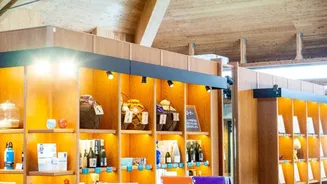
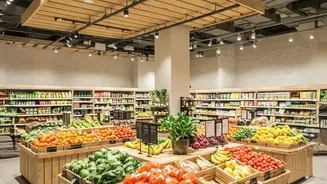
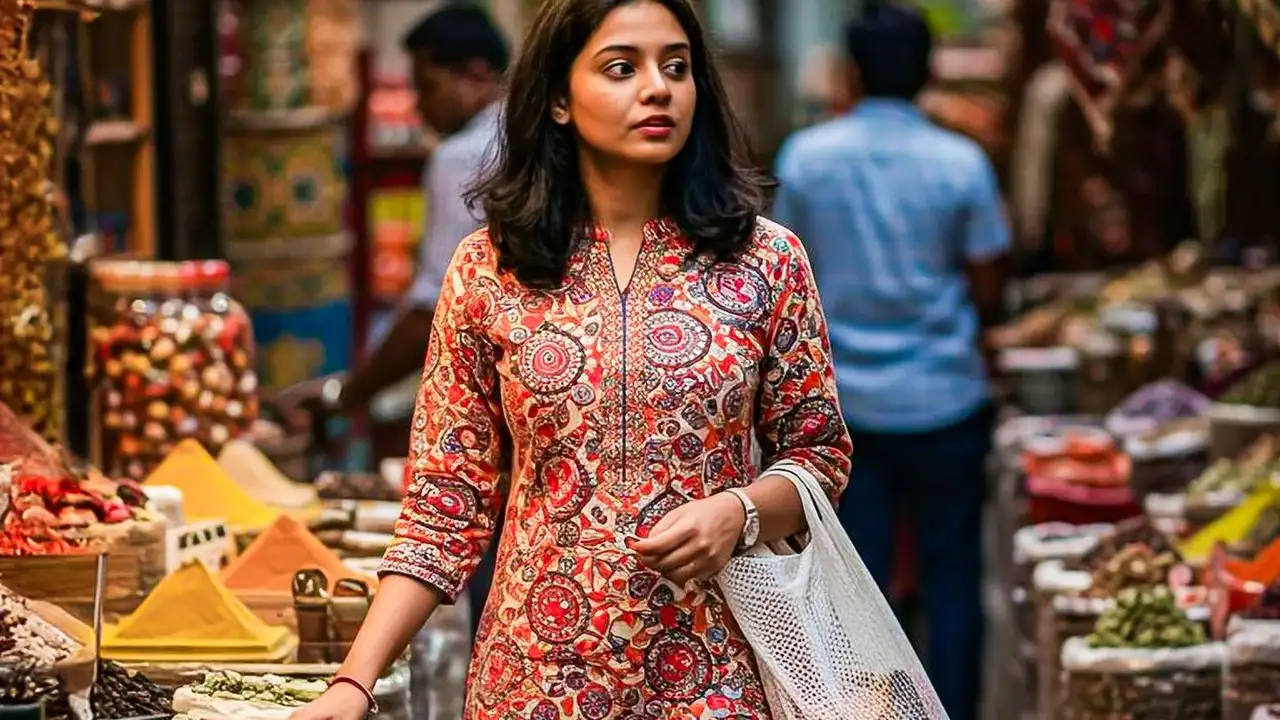
a typical mall, and you are a statistic, a unit of footfall. The experience is designed for mass appeal and anonymous transactions. Contrast this with your neighbourhood 'kirana' store or local boutique. Here, you are often a familiar face. The shop owner might know your preferences, ask about your family, and offer personalised recommendations. This isn't just better customer service; it's a human connection that transforms a simple purchase into a meaningful interaction. Local business owners are passionate about their products and invested in their customers' satisfaction, often going the extra mile to ensure you find what you need. This relationship builds a foundation of trust and loyalty that algorithm-driven marketing and temporary sales in a faceless corporate setting can never truly replicate.
Investing Directly in Your Community
Perhaps the most significant value local outlets offer is economic. When you buy from a neighbourhood store, a substantial portion of that money stays and recirculates within your community. Studies have shown that local businesses return a much higher percentage of their revenue to the local economy compared to chain retailers, whose profits are often sent to corporate headquarters in another city or country. This 'local multiplier effect' means your spending helps fund local jobs, supports other nearby businesses, and contributes to the municipal tax base that pays for schools, roads, and public safety. In India, Micro, Small, and Medium Enterprises (MSMEs), which form the backbone of local commerce, are the second-largest employer after agriculture and contribute significantly to the nation's GDP. Supporting them is a direct investment in the financial health and resilience of your own neighbourhood.
Hubs of Social and Cultural Life
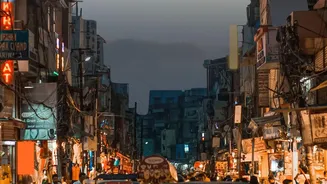
Malls are engineered for one purpose: consumption. Neighbourhood shops, on the other hand, often serve a dual role as informal community hubs. They are places where neighbours cross paths, share news, and strengthen social bonds. These small enterprises become part of the community's fabric, sponsoring local events, supporting school fundraisers, and participating in neighbourhood improvement projects. They reflect the unique character and culture of the area, offering products that cater to local tastes and traditions, from specific festival foods to handmade crafts by local artisans. This helps preserve a community's distinct identity in a world that is becoming increasingly homogenised. In essence, these outlets are not just selling goods; they are nurturing the social ecosystem of the place you call home.
Unique Finds Over Mass-Produced Sameness
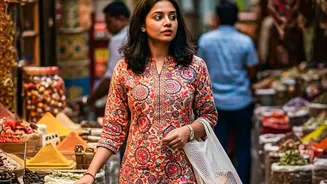
While malls offer a vast quantity of goods, they often lack true variety. The same global brands appear in every city, offering the same seasonal collections. Local outlets, by contrast, are treasure troves of unique and curated products. Independent retailers handpick their items based on their expertise and understanding of their customers' desires, rather than on directives from a central corporate office. This is where you find oneofakind handcrafted goods, specialty foods, and products from emerging local designers that you simply won't see anywhere else. This choice fosters a culture of authenticity and individuality, allowing consumers to express themselves with items that have a story and a personal touch, a value that is increasingly sought after in today's market.