
Flooring That Fights Moisture
During the rainy season, floors bear the brunt of muddy footprints and pervasive dampness, which can cause materials like solid wood to warp and carpets to become a breeding ground for mould. The decor shift is towards non-porous and resilient options.
Porcelain and vitrified tiles are top contenders because they absorb minimal water, making them nearly impervious to moisture damage. Luxury Vinyl Plank (LVP) is another rising star, offering the visual warmth of wood but with a waterproof core that prevents swelling and damage. For those who love the elegance of natural wood, engineered hardwood offers a more stable alternative to solid wood, as its layered construction better resists expansion and contraction in humid conditions. These materials are not just practical; they form a durable, easy-to-clean foundation for a monsoon-ready home.
Walls That Repel and Breathe
Damp patches and peeling paint are classic monsoon woes. To combat this, homeowners are turning to advanced wall treatments. Moisture-resistant paints, often with anti-fungal properties, act like a raincoat for your walls, preventing water from seeping in and stopping mould growth before it starts. These paints create a protective barrier that repels water while allowing any trapped moisture to escape, which is crucial for preventing bubbling and cracking. For areas with persistent dampness, waterproof PVC wall panels offer a more robust, long-term solution. These panels create a physical, sealed barrier against moisture, are completely resistant to mould, and require no repainting, making them a fit-and-forget choice for problem walls.
Furniture Built for Humidity
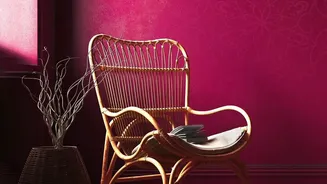
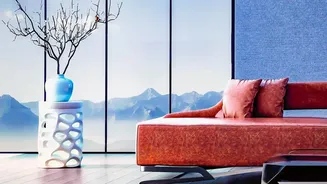
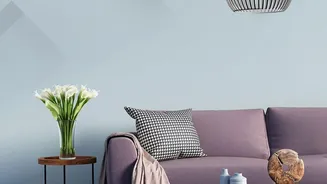
High humidity can cause wooden furniture to swell and upholstery to feel perpetually damp and musty. The trend is moving towards materials that can withstand these conditions. For furniture frames, metals like powder-coated steel and aluminium are excellent choices due to their rust resistance. Rattan and bamboo are also gaining popularity as they are naturally more resistant to climatic changes than traditional wood. When it comes to upholstery, the focus is on fabrics that don't trap moisture. Polyester blends, microfiber, and leatherette are smart options as they are easy to wipe down and less prone to mildew. For those who prefer natural fabrics, cotton and linen blends are breathable choices, but they should be kept away from direct contact with damp walls.
Countertops That Stay Clean and Dry
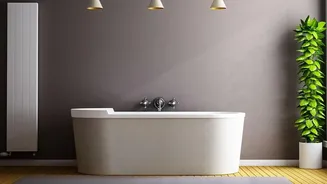
In kitchens and bathrooms, where humidity is a given, countertop choices are critical. Porous materials like some natural stones can absorb moisture, leading to staining and bacterial growth. Engineered quartz is a leading choice for humid environments because it is non-porous and never needs sealing. This means steam and splashes won't penetrate the surface. Solid surface materials, like Corian, are another top performer, often used in hospitals for their seamless and hygienic properties. Porcelain slabs are also gaining traction for countertops, offering a dense, heat-resistant, and non-porous surface that holds up exceptionally well against water and humidity.
Smarter Finishing Touches
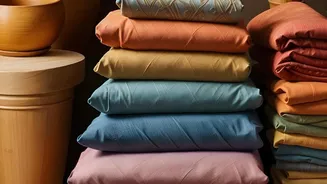
The decor shift extends to smaller details that make a big difference. Heavy curtains made of velvet or thick cotton are being replaced with sheer, lightweight drapes made of linen or synthetic fabrics. These allow better air circulation and let in more natural light on gloomy days, preventing the stuffy feeling that traps damp smells. Similarly, thick, absorbent rugs are swapped out for washable, quick-drying options or avoided altogether in high-traffic wet zones. Finally, bringing in plants that thrive in humidity, like ferns and peace lilies, not only adds a touch of nature but also helps purify the air and manage indoor moisture levels.