



The New Green Menu
Across India’s major cities, from Mumbai to Bengaluru, the cafe experience is undergoing a quiet revolution. Baristas who once perfected the pull of an espresso shot are now carefully whisking brilliant green powders into frothy milk. These beverages,
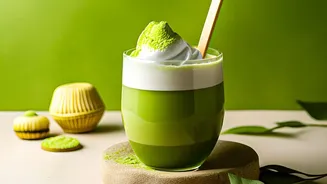
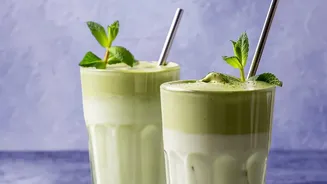
matcha and moringa lattes, have moved from niche health food stores to the mainstream menus of popular coffee chains and independent cafes. This signals a larger shift in urban consumer culture, where the local coffee shop is evolving into a wellness destination, catering to customers who seek more than just a caffeine kick from their daily brew.
Understanding Matcha: More Than Green Tea
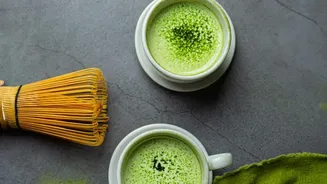
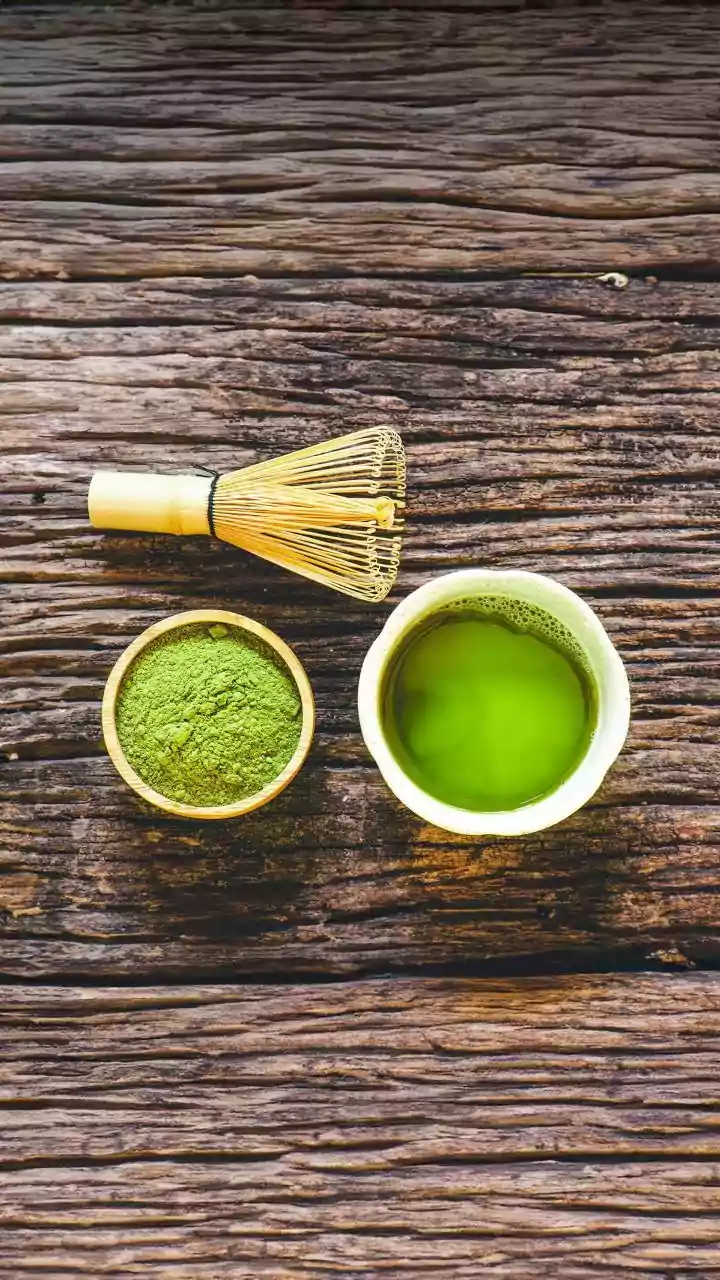
So, what exactly is the green drink taking over your Instagram feed? Matcha is a finely ground powder of specially grown and processed green tea leaves, traditionally associated with Japanese tea ceremonies. Unlike regular green tea, where you steep the leaves and discard them, with matcha you consume the entire leaf. This means you get a more potent concentration of nutrients and antioxidants. It is celebrated for containing L-theanine, an amino acid that promotes a feeling of calm alertness, offering a smoother, more sustained energy boost without the jitters often associated with coffee. Its flavour is complex—earthy and slightly sweet, with a distinctive umami richness.
Moringa: The Hometown Superfood
While matcha comes from Japan, moringa is a superfood that has been part of Indian life for centuries, known to many as the drumstick tree. Traditionally used in everything from dals to Ayurvedic remedies, moringa is now being rediscovered in a modern, latte form. Its leaves are packed with vitamins and minerals. Unlike matcha, moringa is naturally caffeine-free, making it an ideal choice for those looking for a nourishing, warm beverage at any time of day. It offers a distinctly earthy, grassy flavour that pairs well with creamy plant-based milks and a touch of natural sweetener.
Why the Sudden Popularity?
The rise of these green lattes isn't a coincidence. It’s a reflection of a global shift towards health and wellness, a trend that has found fertile ground in urban India. Today’s consumers are more conscious of what they put into their bodies, seeking out functional foods that offer benefits beyond basic nutrition. The vibrant green colour of these drinks also makes them highly 'Instagrammable,' a key factor in the rapid spread of food trends among millennials and Gen Z. Furthermore, they offer an appealing alternative for those looking to reduce their coffee intake, providing either a gentle caffeinated lift or a completely caffeine-free boost.
The Artisanal Difference
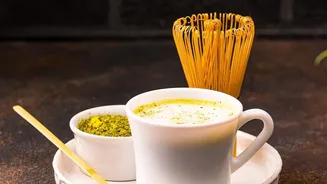
The term 'artisanal' isn't just a marketing buzzword; it refers to the quality of the ingredients and the care taken in preparation. For matcha, this means using ceremonial-grade powder, which has a finer texture and more nuanced flavour than lower-quality culinary grades. The preparation is also a ritual, often involving a traditional bamboo whisk, or 'chasen', to create a perfectly smooth, frothy consistency. For both moringa and matcha, the artisanal approach includes thoughtful pairings with different milks—like oat, almond, or soy—to complement their unique flavour profiles, moving far beyond simply adding powder to hot milk.
A Taste of Modern India
Ultimately, the presence of matcha and moringa lattes on cafe menus is about more than just a beverage; it's a reflection of the modern Indian consumer. This trend highlights a growing desire for products that blend global trends with local traditions. It shows an appreciation for craftsmanship, wellness, and new experiences. The coffee shop is no longer just a place to work or socialise over a cappuccino; it has become a third space where lifestyle choices are explored and expressed, one green latte at a time.