





The Rise of New-Age Credit
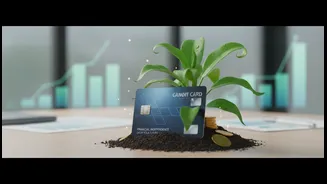
For years, a traditional credit card was a financial milestone, often hard to get for students or those just starting their careers. Enter 'Gen Z credit cards'. Spearheaded by Indian fintech firms like Slice and OneCard, these are not your parents' plastic.
They are designed for a digital-native audience, offering instant virtual cards, seamless app-based controls, and rewards tailored to youth spending on food delivery, e-commerce, and entertainment. The biggest draw is accessibility; they often have more lenient eligibility criteria, opening the door to credit for those without a significant credit history. These cards try to blend the discipline of a credit card with the flexibility modern users demand.
The Allure of Buy-Now-Pay-Later (BNPL)
While new cards were emerging, Buy-Now-Pay-Later (BNPL) services exploded in popularity. Platforms like Simpl and ZestMoney offered something incredibly tempting: the ability to buy something immediately and pay for it in small, often interest-free, instalments. For many young consumers, this felt less intimidating than a credit card. There was no lengthy application process and the deal was simple—split your payments at checkout. This convenience, however, has a downside. The ease of use can lead to impulsive spending and the accumulation of several small debts across different platforms, making it difficult to track and manage repayments.
A Bridge Between Two Worlds?
Gen Z credit cards aim to be the perfect middle ground. Many, like the original Slice card, incorporated a BNPL-like feature, allowing users to split their total monthly bill into three interest-free instalments. This hybrid model offers the widespread acceptance of a credit card with the structured, interest-free repayment of a BNPL plan. The goal is to provide a single, consolidated credit line that is both flexible and helps build a formal credit score—something most BNPL services don't do. In theory, it’s the best of both worlds: the convenience of BNPL within a regulated framework that builds a financial future.
The Risk of Early Credit Normalisation
This brings us to the central question of 'early-credit normalisation'. This term refers to making credit and debt a normal, everyday part of life for very young adults, sometimes before they have stable incomes or the financial literacy to handle it. While early access to credit can help build a good score, it also risks embedding habits of spending money one doesn't have. Both BNPL and easy-access credit cards can encourage overspending by reducing the immediate financial pain of a purchase. The danger is that by making credit so accessible and easy to use, these products might create a generation comfortable with debt without fully understanding its long-term consequences, such as high interest rates on revolving balances or damage to their credit score from missed payments.
So, What's the Verdict?
Can these new-age cards truly improve the relationship between young consumers and credit? The answer is nuanced. On one hand, by operating within the regulated credit card framework and reporting to credit bureaus, they offer a clear path to building a positive credit history, a crucial financial asset. The Reserve Bank of India has also increased its scrutiny on digital lending to ensure transparency and consumer protection. On the other hand, the fundamental risk remains the same. Easy credit, no matter how slick the app, is still debt. These cards can be a fantastic tool for financial empowerment if used with discipline—spending within one's means, tracking expenses, and always prioritising timely repayment. However, without that discipline, they can become a faster, more gamified route into a debt trap. The improved relationship depends less on the product and more on the user's financial habits.