






From Opulence to Authenticity
For decades, the peak of luxury travel was defined by conspicuous consumption: marble-clad lobbies, gold-plated fixtures, and service so omnipresent it bordered on intrusive. The goal was to display wealth through an abundance of materials. But a significant
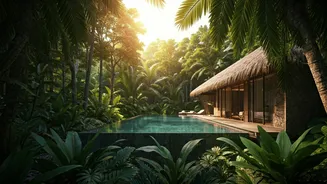
cultural shift is underway. Affluent travelers are increasingly trading these symbols of sterile opulence for something far more valuable: authentic experiences rooted in nature and tranquility. The new luxury isn't about what a place has, but what it makes you feel. It's the difference between a penthouse suite overlooking a glittering city and a secluded cabin where the only sounds are birdsong and the rustling of leaves. This evolution reflects a broader change in values, where personal well-being, mental clarity, and a sense of purpose now outweigh performative extravagance.
The New Currency of Quiet
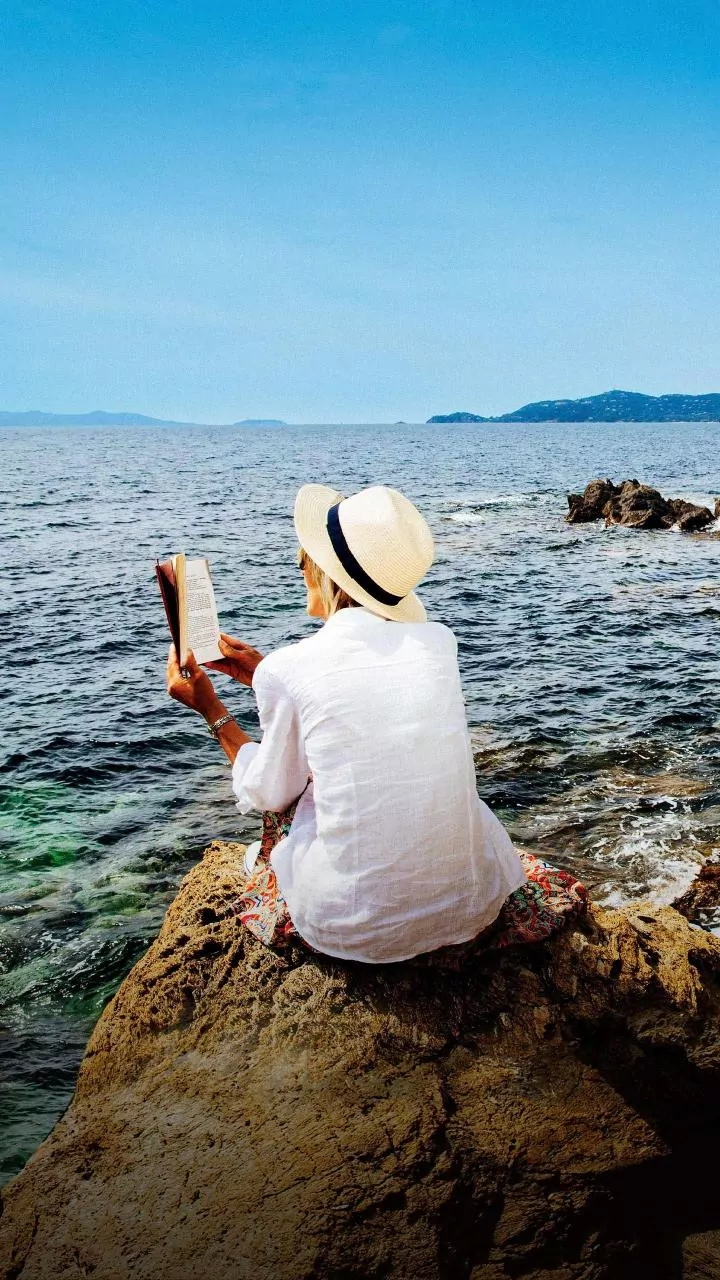
In our hyper-connected, always-on world, the rarest commodity is no longer a precious metal or a designer brand; it's silence. The constant barrage of notifications, emails, and social media feeds has created a deep-seated craving for disconnection. A ‘green escape’ offers the ultimate antidote. It provides a space where the mind can quiet down, free from digital distractions and the relentless pace of modern life. This is why experiences like forest bathing (shinrin-yoku), silent retreats, and stays at remote, off-grid lodges have become the new status symbols. The ability to truly unplug and be present in a natural environment is a luxury that money alone can’t always buy. It signals a mastery over one's time and attention, which is a far more powerful statement than owning the latest gadget.
What 'Green Luxury' Actually Looks Like
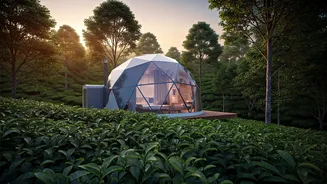
So, what separates a true ‘green luxury’ experience from a standard hotel with a recycling program? The difference lies in holistic integration. It starts with biophilic design, an architectural approach that seamlessly blends the built environment with the natural world through features like living walls, natural materials, and vast windows that frame the landscape. It extends to the experiences offered. Instead of a generic spa menu, guests might find guided medicinal plant walks, conservation-focused activities, or astronomy sessions with a local expert. The culinary aspect is also key. Farm-to-table isn't just a buzzword; it's a philosophy where meals are crafted from ingredients grown on-site or sourced from nearby regenerative farms. Properties like the 1 Hotel in the U.S. or Costa Rica's eco-lodges exemplify this, creating immersive ecosystems where every detail is designed to connect guests to the place, not isolate them from it.
Sustainability as a Non-Negotiable Standard
This trend is more than just an aesthetic preference; it's driven by a discerning consumer base that demands genuine environmental and social responsibility. For this clientele, sustainability is not an optional add-on but a fundamental pillar of the luxury promise. Greenwashing—making superficial eco-friendly claims—is quickly sniffed out. Instead, travelers are looking for properties with transparent, measurable commitments, such as B Corp certifications, zero-waste policies, and investments in local community and conservation projects. The concept of regenerative travel, where a trip actively contributes to improving the destination, is gaining traction. Guests don't just want to leave no trace; they want to leave the place better than they found it, whether by participating in a reef restoration project or knowing their stay directly funds the protection of a vital habitat. This makes the escape feel meaningful, transforming a simple vacation into a purposeful investment.