








Plan Before You Go
Thorough planning is the most critical part of any monsoon trek. Weather in the mountains is unpredictable, so always check the latest forecasts from reliable sources like the Indian Meteorological Department (IMD) before you start. Many popular Himalayan
regions are prone to landslides during heavy rains, so study your route and identify potential hazards and exit points. It's crucial to avoid areas known for flash floods or landslides. Always inform family or friends of your detailed itinerary, including your expected return time, so they can raise an alarm if you're delayed. Trekking alone is strongly discouraged during the monsoon; go with a group or an experienced guide.
Essential Monsoon Gear
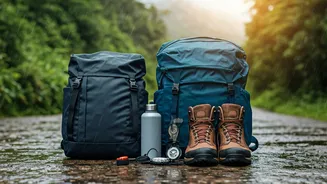
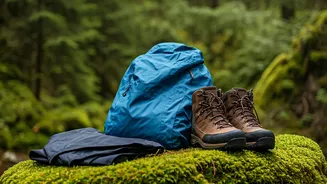
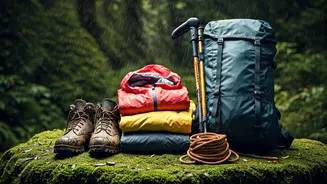
The right gear is non-negotiable for a safe monsoon trek. A high-quality waterproof and breathable rain jacket with sealed seams is essential. Layering is key: opt for quick-drying synthetic or wool base layers and avoid cotton, which retains moisture and increases the risk of hypothermia. Your footwear should be waterproof with deep-grip soles to handle slippery, muddy trails. A rain cover for your backpack is a must to keep your clothes, food, and electronics dry. Packing essentials in plastic or dry bags inside your main pack provides an extra layer of protection. Finally, trekking poles are invaluable for maintaining balance on slick surfaces and during stream crossings.
Navigating Treacherous Terrain
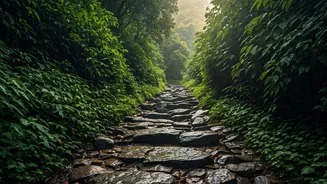
Monsoon rains make trails slippery and unstable. When navigating wet rocks, moss, or mud, test your footing before committing your full weight. Use short, deliberate steps and maintain a low center of gravity, especially on descents. Trekking poles provide extra points of contact and stability. Be extremely cautious at water crossings, as streams can swell rapidly. If a current looks too strong, it's always safer to turn back. Fog and heavy rain can severely reduce visibility, so start your treks early to avoid being on the trail in the fading light of late afternoon. A headlamp with extra batteries is a crucial safety item, even for day hikes.
On-Trail Health and First-Aid
Even minor injuries can become serious in wet conditions. Carry a well-stocked first-aid kit that includes antiseptic wipes, waterproof bandages, blister treatment, and supplies for sprains. Clean any cuts or scrapes thoroughly with clean water or antiseptic to prevent infection. Sprains are common on uneven ground; follow the R.I.C.E. method (Rest, Ice, Compression, Elevation) if one occurs. Hypothermia is a real danger, even in non-freezing temperatures, when you are wet and cold. Recognize early symptoms like shivering and confusion, and take immediate steps to get dry and warm. Stay hydrated, but ensure you have a reliable way to purify water from natural sources.
Know When to Turn Back
The most important safety skill is knowing your limits and respecting the power of nature. Social media may romanticize challenging conditions, but recklessness can have severe consequences. If weather conditions worsen, if the trail seems too dangerous, or if you or a member of your group is not feeling well, be prepared to turn back. The mountains will always be there for another day. Unpredictable events like landslides can cause significant delays, so it's wise to build buffer days into your travel itinerary and book flexible tickets, especially during peak monsoon months. The goal is to return with good memories, not to push through a dangerous situation.