

Begin with a Spiritual Deep Clean
The preparation for Janmashtami starts with 'Shuddhi', or purification. This involves more than just regular tidying; it's about creating a spiritually pure and sattvic environment for preparing bhog (offerings). Begin by decluttering your countertops
and storage. Throw away any broken utensils or expired food items. Perform a deep clean of the entire kitchen, including the stove, chimney, exhaust fan, and storage cabinets. Wiping surfaces with a mixture of water and vinegar is an effective natural cleaning method. Pay special attention to the puja utensils, polishing any brass or silver items until they shine. This act of cleaning is considered a way to attract positive energy and divine blessings into your home.
Stock a Pure, Sattvic Pantry
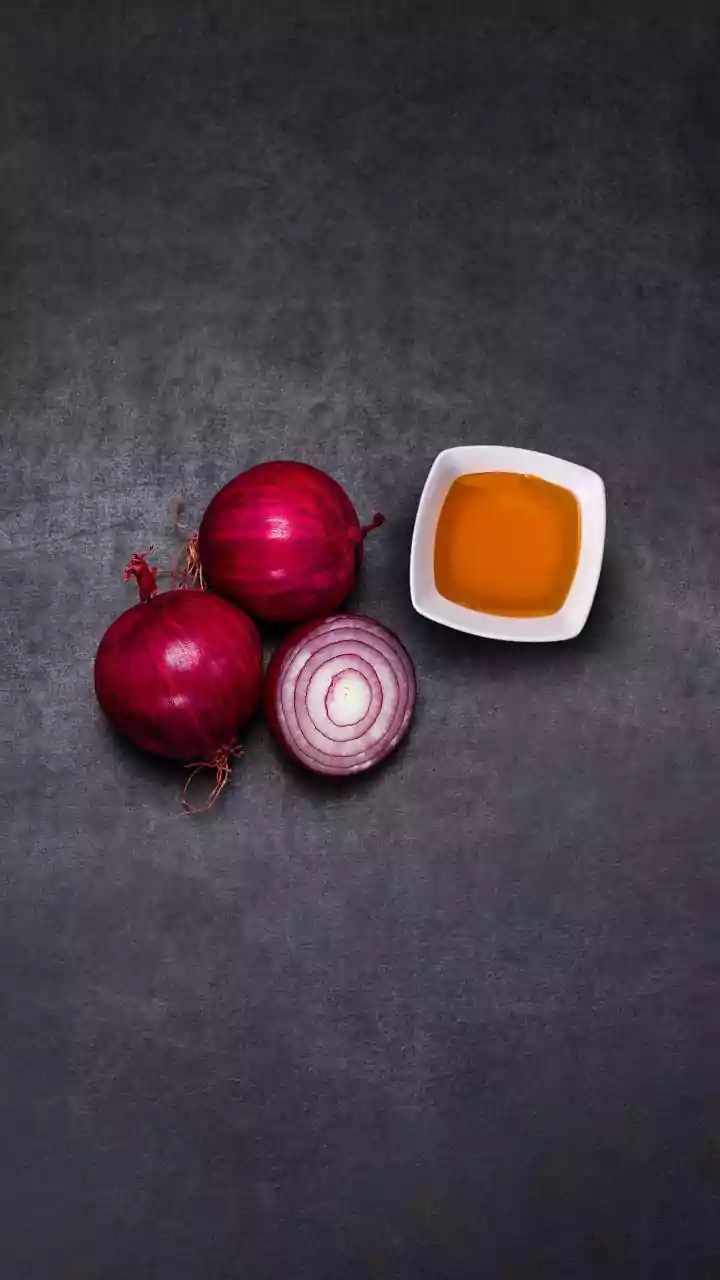
Janmashtami cooking follows a sattvic diet, which means avoiding onion, garlic, and sometimes even regular table salt. Before the festival, take inventory of your pantry. Stock up on ingredients permissible during the fast (vrat). Key items include special flours like kuttu (buckwheat), singhara (water chestnut), and rajgira (amaranth). For spices, use sendha namak (rock salt), cumin, black pepper, and cardamom. Dairy is central to the celebration, so ensure you have fresh milk, yogurt (curd), ghee, and butter. Don't forget fruits, nuts, makhana (fox nuts), and natural sweeteners like mishri (rock sugar) and jaggery. Having a well-stocked pantry makes fasting and feasting a seamless, joyous process.
Plan Your Prasad and Bhog Menu
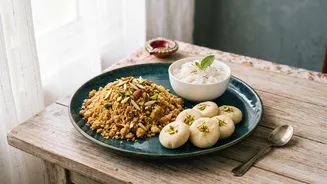
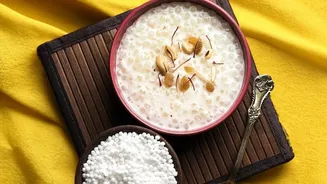
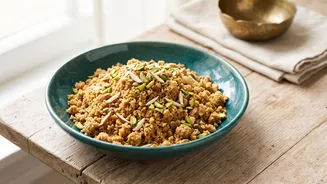
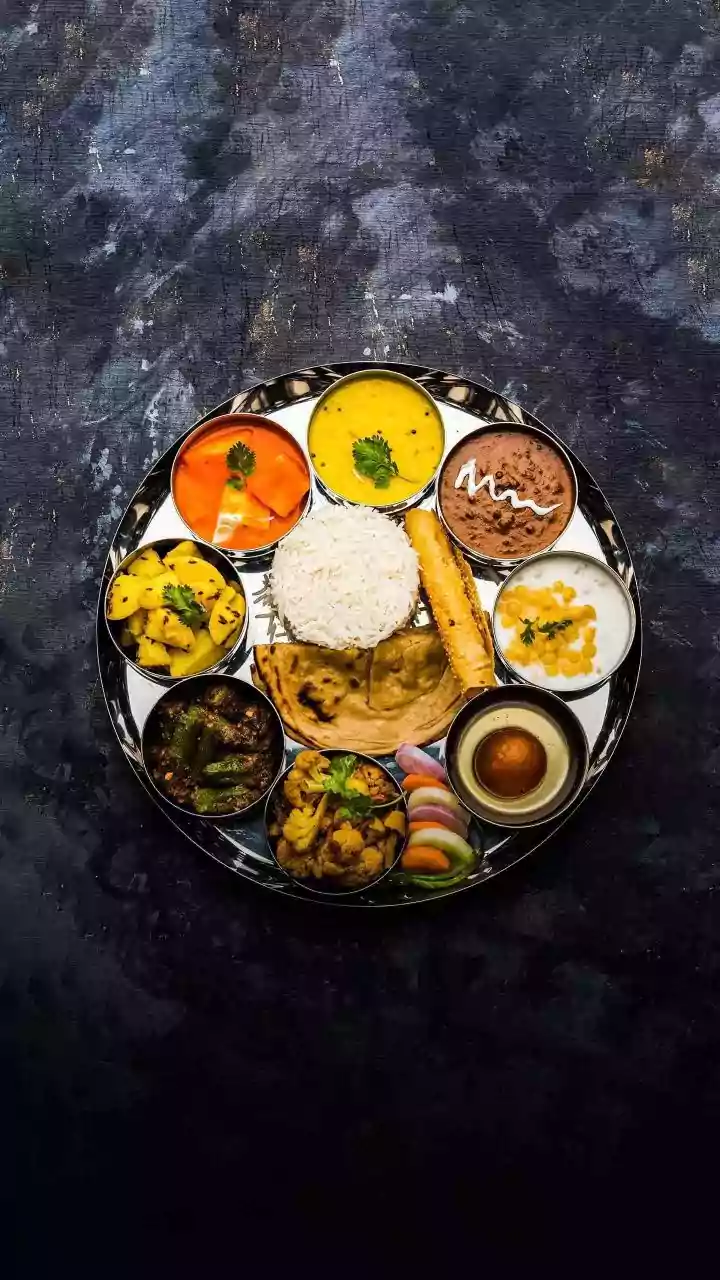
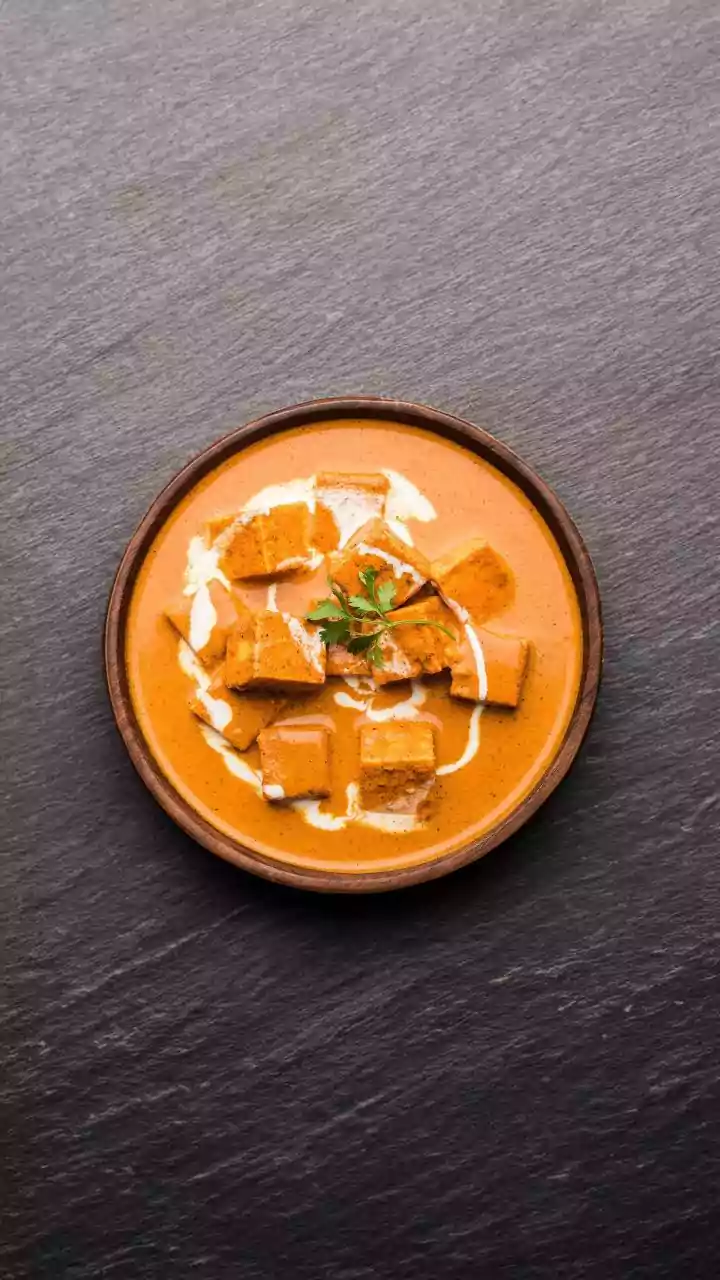
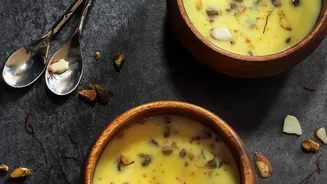
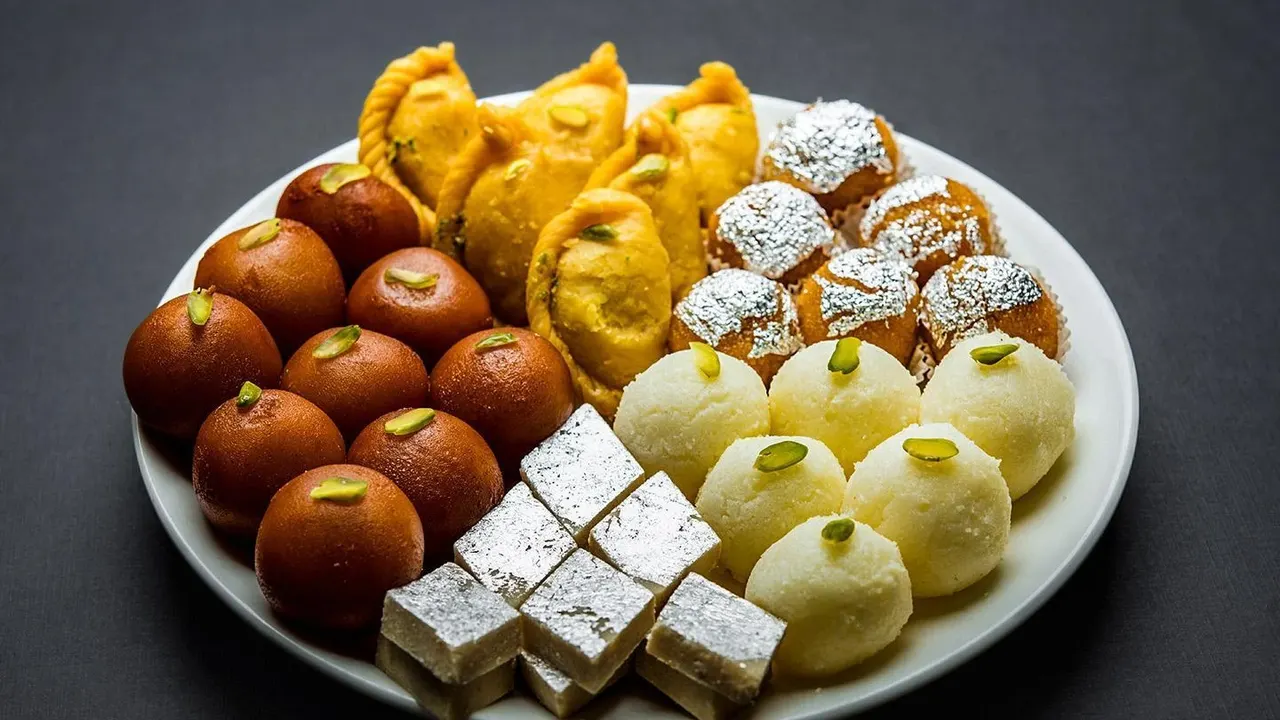
Planning your menu in advance can make the festival day much more manageable. The offerings for Lord Krishna are diverse, ranging from simple favourites to the grand 'Chappan Bhog', a traditional spread of 56 items. You don't need to make all 56 dishes; a few lovingly prepared items are just as meaningful. Core prasad items include Makhan Mishri (fresh white butter mixed with rock sugar) and Panchamrit, a sacred concoction of milk, yogurt, ghee, honey, and sugar. Dhaniya Panjiri, a roasted coriander powder sweet, is another essential prasad, often used to break the fast. You can also plan to make sweets like Makhana Paag, pedas, or a milk-based kheer. For the fasting meal (phalahar), consider simple dishes like vrat ke aloo or sabudana khichdi.
Ready Your Fasting (Vrat) Essentials
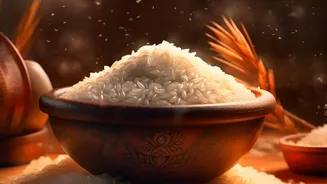
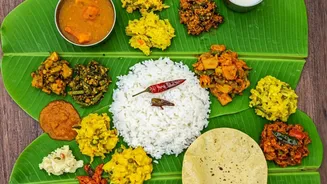
Many devotees observe a fast until midnight, the hour of Lord Krishna's birth. Preparing for the fast is just as important as preparing for the feast. To maintain energy levels, keep vrat-friendly snacks and drinks on hand. Fresh fruits, dry fruits, and nuts are excellent for providing sustained energy. Healthy drinks like coconut water, fresh buttermilk, or fruit juices can help you stay hydrated and prevent fatigue. If you're preparing a meal to break the fast, have the ingredients ready. Dishes made from sama chawal (barnyard millet), sabudana (tapioca pearls), or potatoes are popular choices that are both filling and permissible.
Prepare Dedicated Utensils and Space
To maintain the purity of the offerings, many families use a separate set of utensils specifically for cooking prasad. These are often made of traditional materials like brass or earthenware and are not used for regular, non-sattvic cooking. Before you begin cooking, ensure these utensils are thoroughly washed and ready. Designate a clean, sacred area on your countertop where the bhog will be prepared and assembled. This separation ensures that the food offered to the deity is of the highest purity, prepared with focus and devotion. Once cooked, the prasad should be kept covered in this dedicated space until it is offered during the midnight puja.