



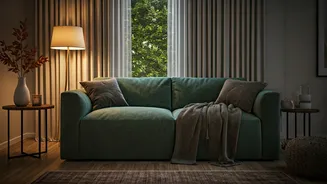


The Soul of a Lived-In Home
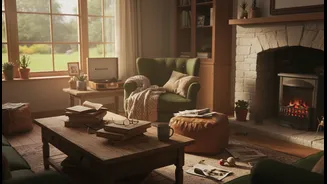
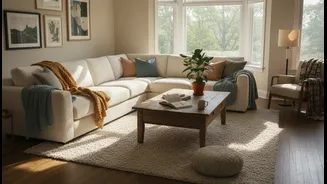
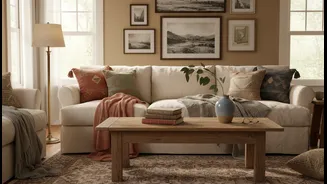
So, what exactly is a 'lived-in' home? It's the opposite of a sterile showroom. It's a space that feels personal, comfortable, and reflective of the people who inhabit it. Think of it as curated authenticity. This style champions layers—of textures, memories,
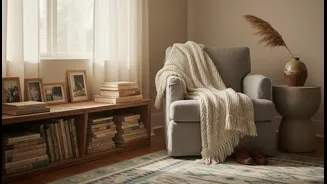
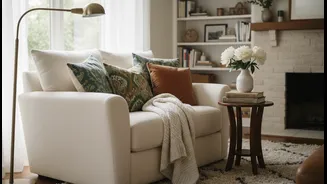
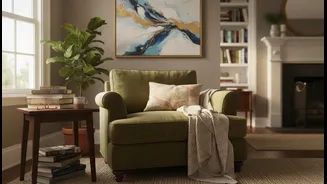
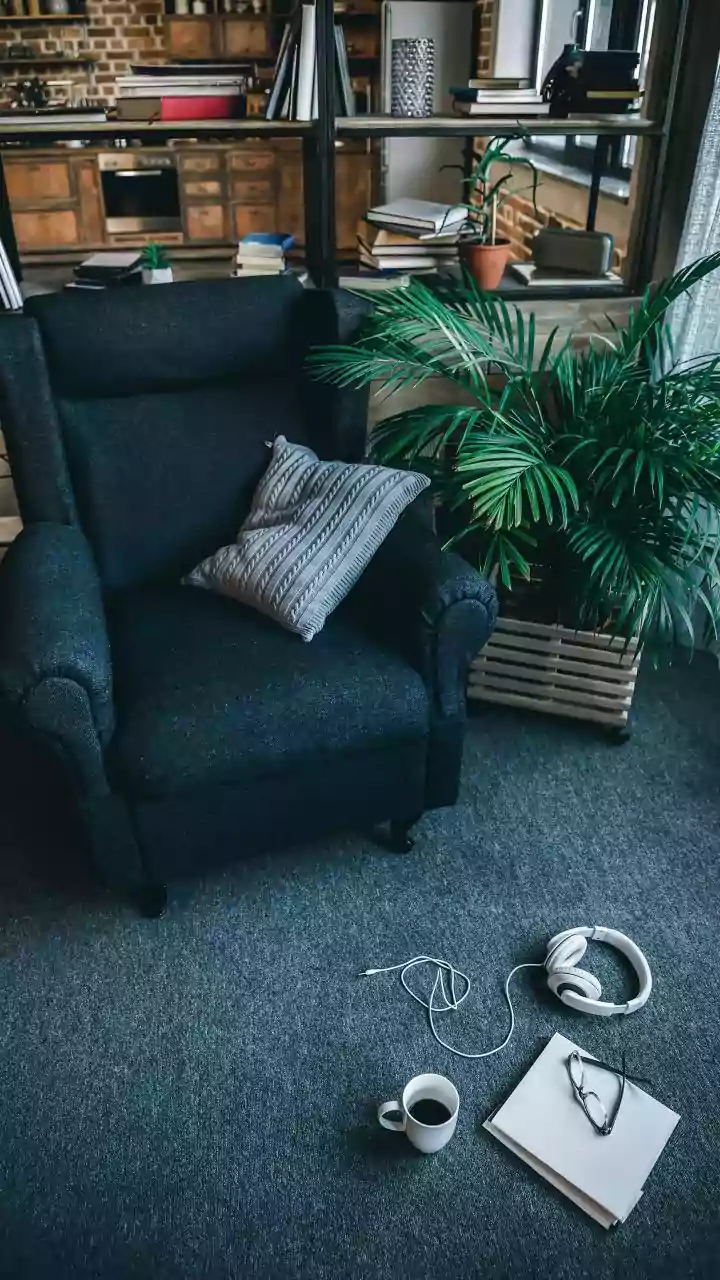
and objects collected over time. It’s the artfully draped throw on a sofa, a bookshelf overflowing with paperbacks, and a gallery wall that mixes children's drawings with fine art. It's about showcasing your interests and passions through the things you choose to display, turning your decor into a conversation starter. This aesthetic finds beauty in imperfection, celebrating items that have a history and a story to tell, from a slightly worn armchair to a collection of travel souvenirs.
The Problem with Perfection
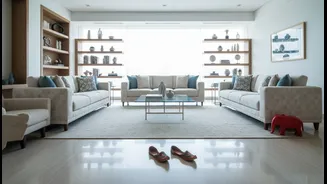
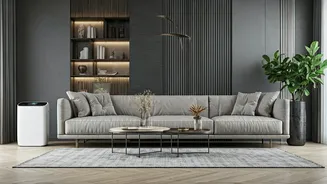
For years, the gold standard of interior design seemed to be the 'staged' home. This approach, popular for real estate sales, is about depersonalisation. It uses neutral palettes, minimal personal items, and generic furniture to create a blank canvas a potential buyer can project their own life onto. While effective for selling a house, this philosophy fails when applied to living. A staged home often feels cold and impersonal, lacking the very essence of what makes a house a home: character. Family photos, quirky collections, and vibrant colours are stripped away, leaving behind a space that, while aesthetically pleasing, is devoid of soul and personality. It’s a hotel lobby, not a family sanctuary.
An Inherently Indian Approach
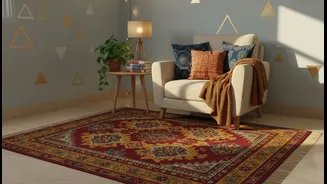
The lived-in philosophy works particularly well in India because it aligns with our cultural approach to home life. Indian homes are rarely just for one person; they are dynamic hubs for family, friends, and festivities. They need to be flexible and welcoming, not rigid and pristine. The trend of personalisation is growing, with homeowners moving away from cookie-cutter designs to spaces that tell their story. This involves integrating family heirlooms, traditional crafts like Madhubani or Warli art, and locally sourced materials. Think of brass lamps, intricately carved wooden furniture like a jhoola, and rich textiles such as silk or block prints. These elements, rooted in Indian heritage, naturally bring warmth, colour, and a sense of history into a home, creating spaces that are both visually stunning and culturally rich.
Curating Your Personal Narrative
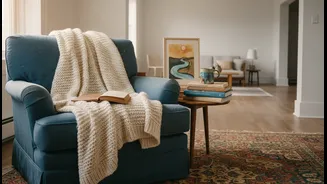
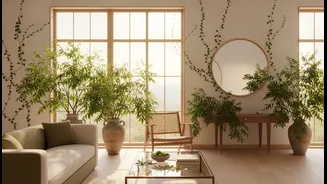
Creating a lived-in home isn't about buying a whole new set of furniture. It’s a slow, organic process of curation. Start by looking at what you already own and love. That old trunk your grandmother gave you can be a coffee table. The collection of brass figurines can be grouped together on a shelf for visual impact. Don't be afraid to mix old and new, or to layer different textures and patterns. Combine the smoothness of a modern table with the roughness of a jute rug and the softness of velvet cushions. Incorporate natural materials like wood, stone, and bamboo to bring the outdoors in, a trend known as biophilic design that is gaining popularity in India. Most importantly, embrace imperfection. A home that is truly lived in has signs of life—it’s comfortable, inviting, and uniquely yours.