



Meet Moringa: The Miracle Tree
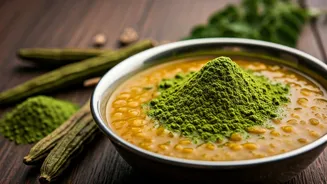
Known as the ‘drumstick tree’ (sahjan) in many parts of India, moringa oleifera is no modern discovery. It has been a staple in traditional medicine and cooking for centuries. However, its global recognition as a 'superfood' is relatively recent, and for good
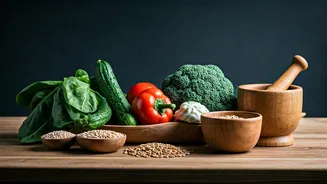
reason. The leaves are packed with an incredible density of nutrients. They are a rich source of vitamins A, B6, and C, as well as minerals like iron, magnesium, and potassium. Furthermore, moringa is loaded with antioxidants, compounds that fight cell damage and reduce inflammation in the body. For those on a plant-based diet, its high iron content makes it a particularly valuable ingredient to combat fatigue and support overall energy levels.
The Underrated Power of Lentils
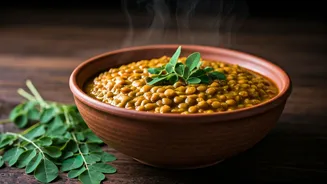
Lentils, or dal, are the backbone of Indian cuisine. They are affordable, versatile, and a fundamental source of plant-based protein and dietary fibre for millions. But their benefits don’t stop there. Lentils are also a significant source of iron, folate, and manganese. The fibre in lentils aids digestion and helps maintain stable blood sugar levels, making you feel full and satisfied for longer. Whether it’s a simple toor dal, a creamy masoor dal, or a hearty chana dal, this everyday ingredient forms the perfect canvas for a nutritionally-enhanced meal. It’s the ultimate comfort food that already comes with a host of health benefits.
A Perfect Nutritional Partnership
Combining moringa with lentils creates a powerful synergy. The main challenge with plant-based (non-heme) iron, found in both lentils and moringa, is that our bodies don't absorb it as efficiently as animal-based (heme) iron. This is where the magic of moringa truly shines. Moringa leaves are not only rich in iron but also contain a significant amount of Vitamin C. Vitamin C is scientifically proven to dramatically increase the absorption of non-heme iron. By adding moringa to your dal, you are not just adding more iron; you are providing the very nutrient needed to help your body absorb the iron from both the moringa and the lentils. This combination transforms a standard dal into a highly bioavailable, iron-boosting meal, making it an excellent strategy for vegetarians, vegans, and anyone looking to increase their iron intake naturally.
How to Infuse Your Curries
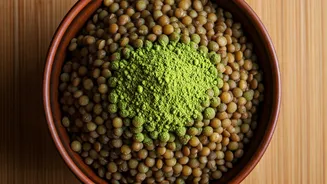
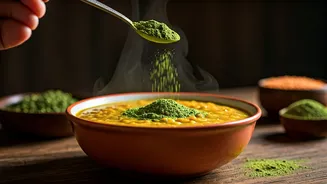
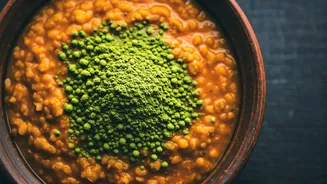
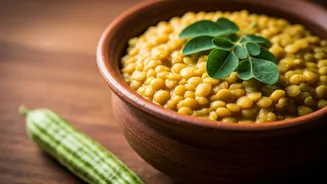
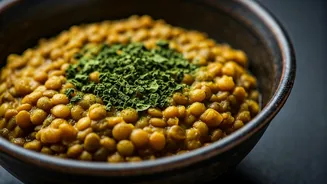
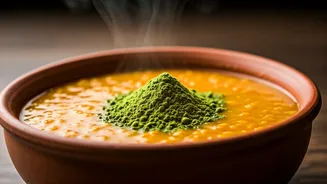
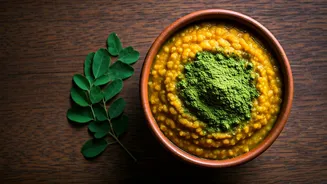
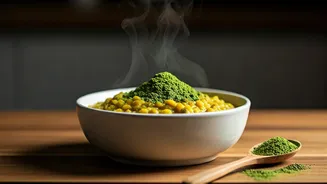
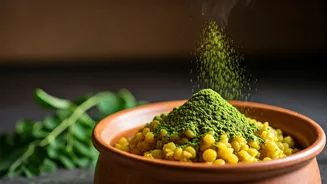
Incorporating moringa into your lentil curries is incredibly simple. You have two main options: fresh leaves or dried powder. **Using Fresh Moringa Leaves:** If you can find fresh drumstick leaves, simply wash them thoroughly and strip the small leaves from the tougher stems. Add a generous handful to your dal in the last 5-10 minutes of cooking. You want them to wilt and become tender without overcooking, which can diminish some of their nutrients. They have a mild, slightly earthy, spinach-like flavour that blends seamlessly into most dals. **Using Moringa Powder:** Moringa powder is a convenient alternative, available in most health food stores and online. It's more concentrated, so a little goes a long way. For a pot of dal serving 3-4 people, start with one teaspoon of powder. Stir it in right at the end of the cooking process, just before you turn off the heat, or mix it into your tadka. Whisk it in well to avoid clumps. The powder has a more potent 'green' flavour, so it's best to start small and adjust to your taste.
Tips for Maximum Flavour and Benefit
To make your moringa-infused dal even more delicious and nutritious, consider these simple tips. Always add a squeeze of lemon or lime juice just before serving. This not only brightens the flavour of the dal but also adds an extra boost of Vitamin C, further enhancing iron absorption. The traditional tadka of mustard seeds, cumin seeds, garlic, and asafoetida (hing) in ghee or oil also complements the earthy notes of moringa beautifully. You can pair your moringa dal with brown rice or whole wheat rotis for a complete meal that is high in fibre, protein, and essential micronutrients. This simple addition doesn't require you to change your favourite dal recipes; it just enhances them.