
The Rise of Gourmand Beauty
This phenomenon has a name: the 'gourmand' trend, where beauty products are designed to appeal to our sense of taste and smell with edible-inspired aesthetics. It’s more than just a passing fad; it’s a full-scale sensory movement. Brands are cooking up
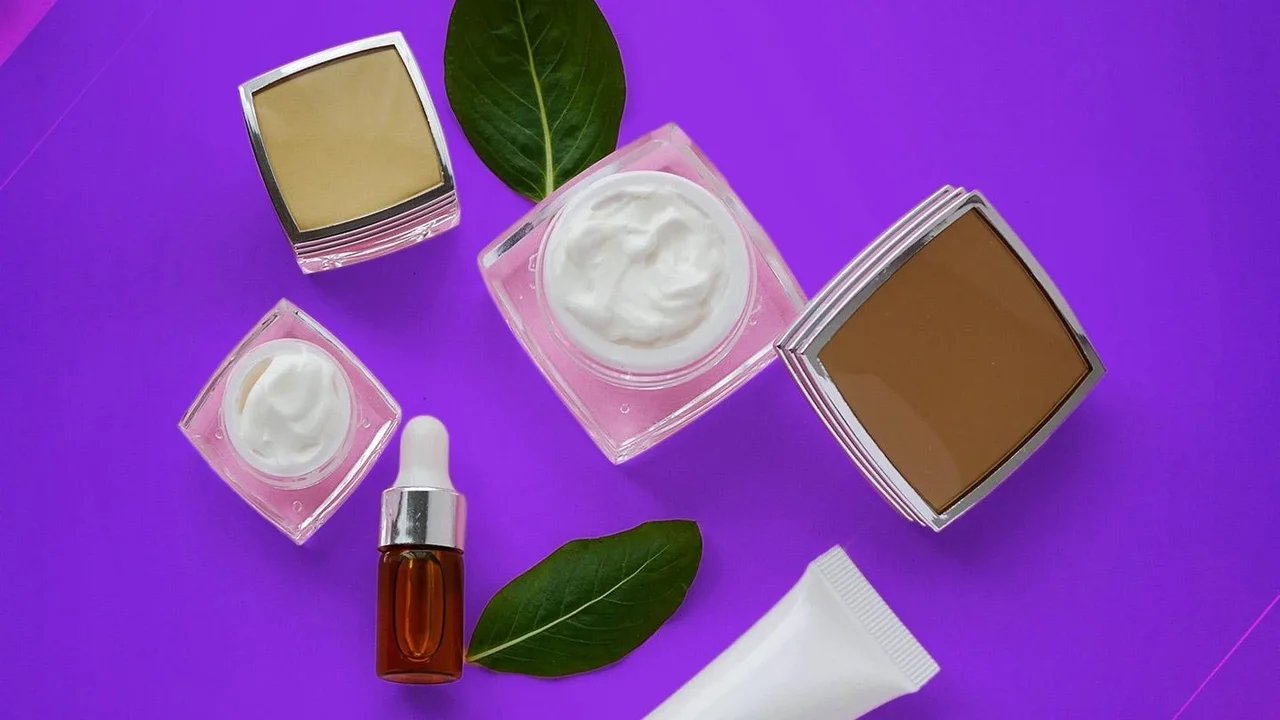
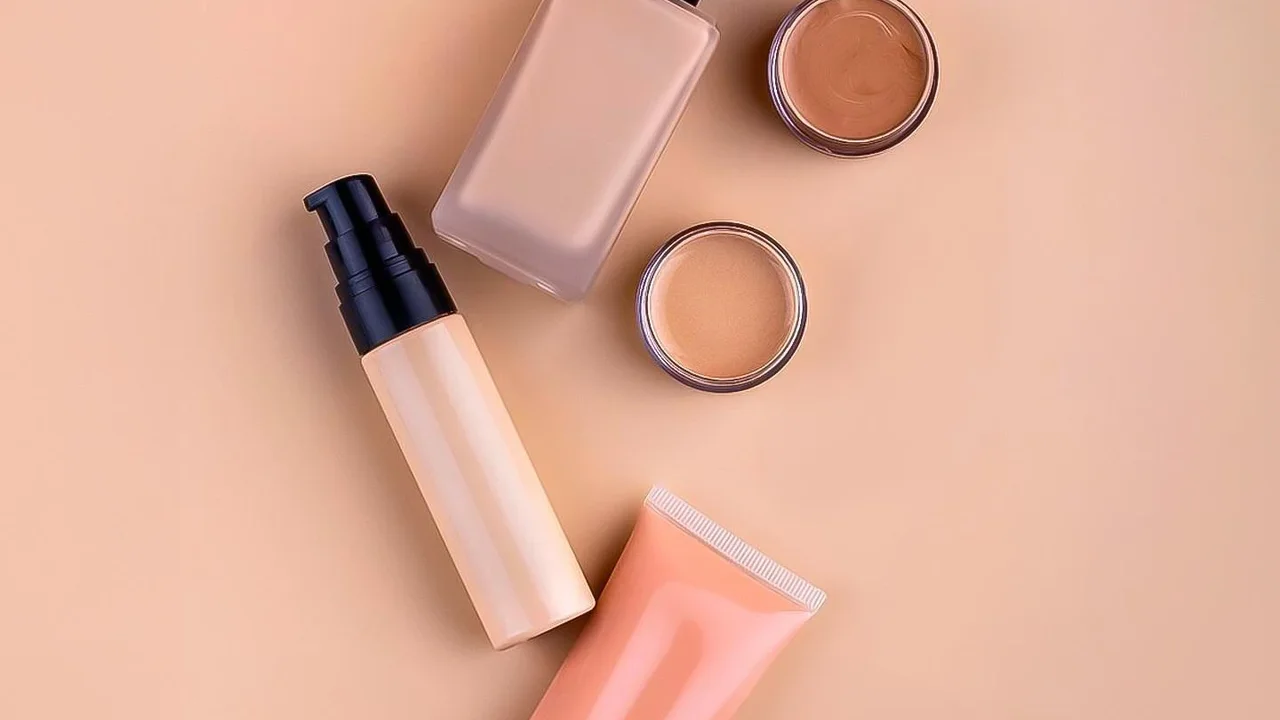
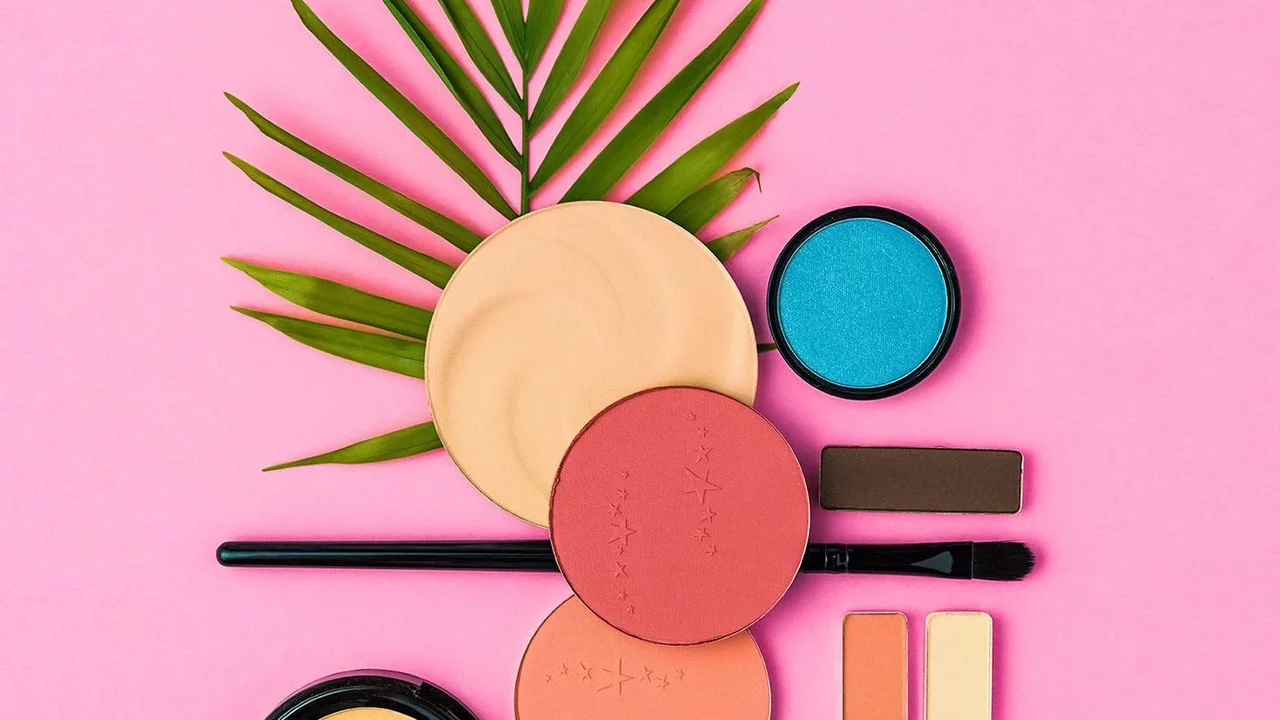
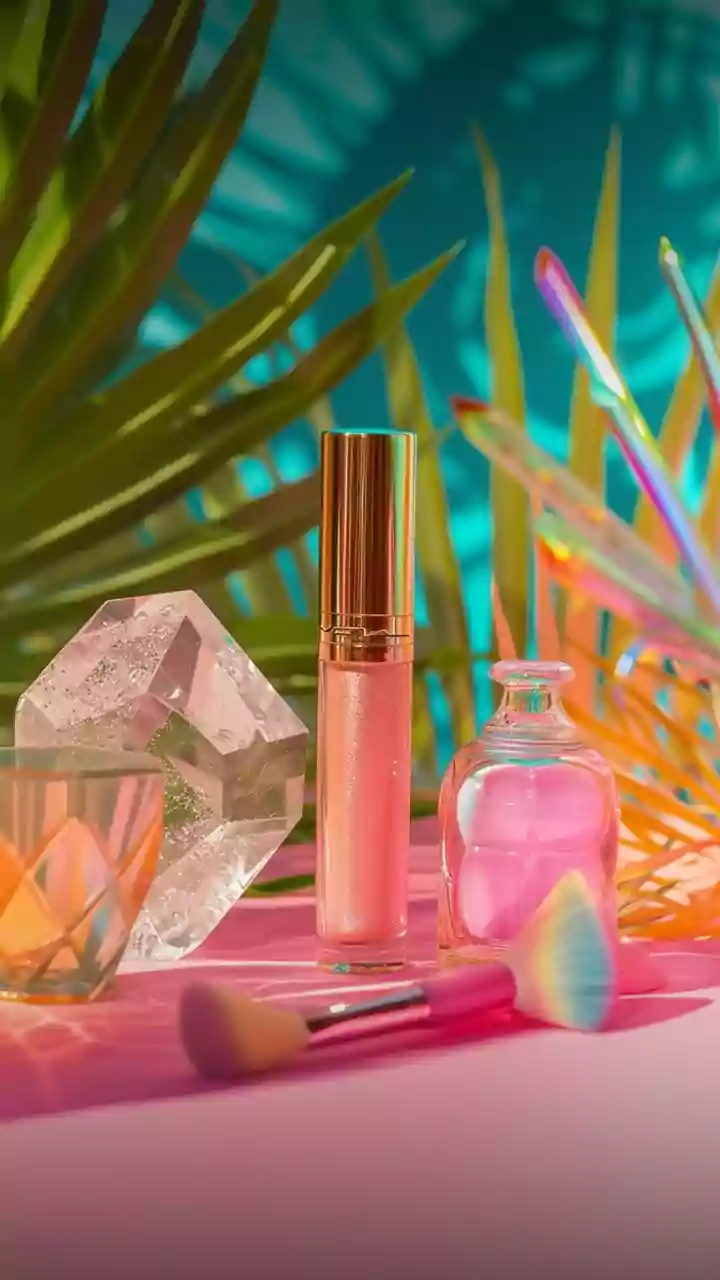
products with decadent textures, delicious scents, and packaging that could be mistaken for a sweet treat. Think coffee-infused body scrubs, chocolate-scented eyeshadow palettes, and lip oils named after cocktails. This isn't just about fun names; it's a strategy to transform routine personal care into a more indulgent and emotionally resonant experience. The trend leverages our universal and deeply personal connection to food, turning a simple product into something far more engaging.
A Treat for Your Brain
The primary driver of this trend is rooted in psychology. Our sense of smell is directly linked to the parts of our brain that process memory and emotion. The scent of vanilla might transport you back to childhood baking, or a coconut fragrance could evoke feelings of a relaxing vacation. Food scents, particularly sweet and comforting ones, trigger powerful feelings of nostalgia, comfort, and joy. In a world that can feel uncertain, these products offer a form of permissible indulgence. They provide the sensory pleasure of a dessert—a moment of decadent self-care—without the calories or guilt. This emotional connection makes the product feel more personal and memorable.
Marketing That Makes You Hungry for More
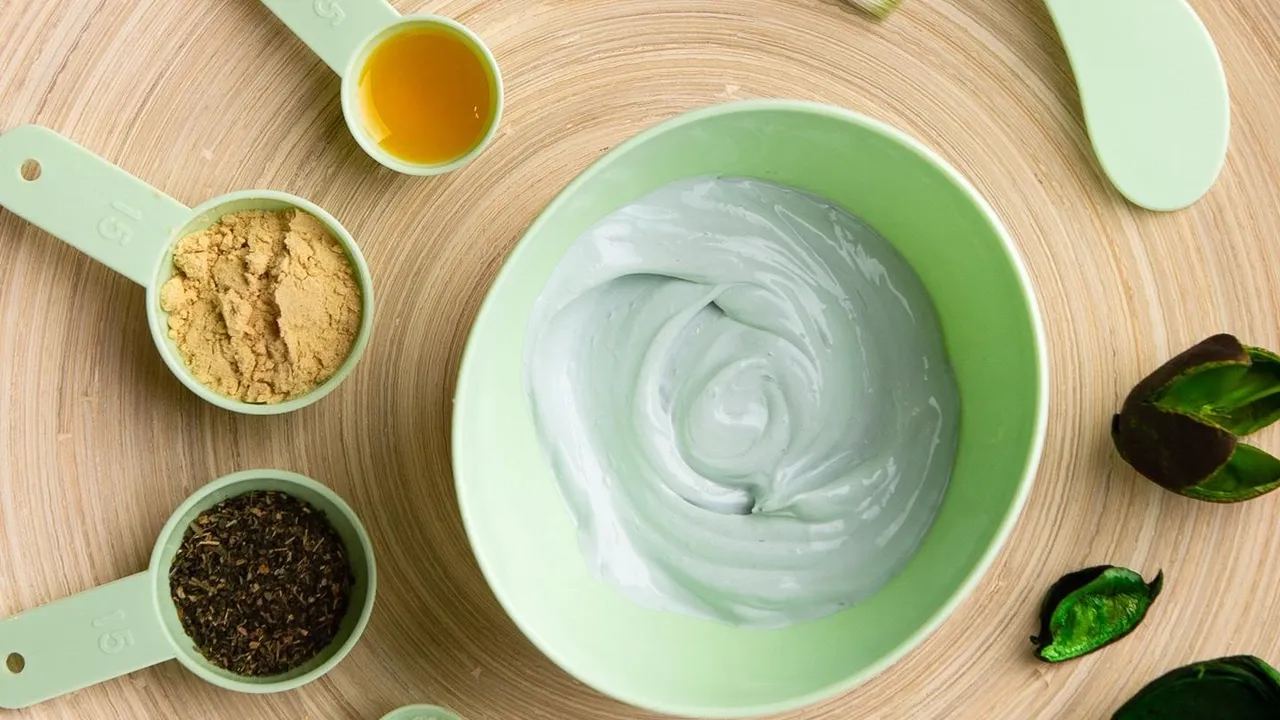
From a business perspective, the gourmand trend is pure genius. These highly visual and often whimsical products are made for the social media age. A highlighter that looks like it’s been drizzled with honey or a face mask in a jam jar is inherently shareable. Trends like "strawberry girl makeup" or "latte makeup" are not just about specific shades but about capturing an entire aesthetic or 'vibe' that is easily replicated and shared on platforms like TikTok, driving organic marketing. This creates a powerful word-of-mouth effect, turning consumers into brand ambassadors. By tapping into the language of food, which is universal, brands can create an instant, intuitive desire for their products.
The Functional Food Connection
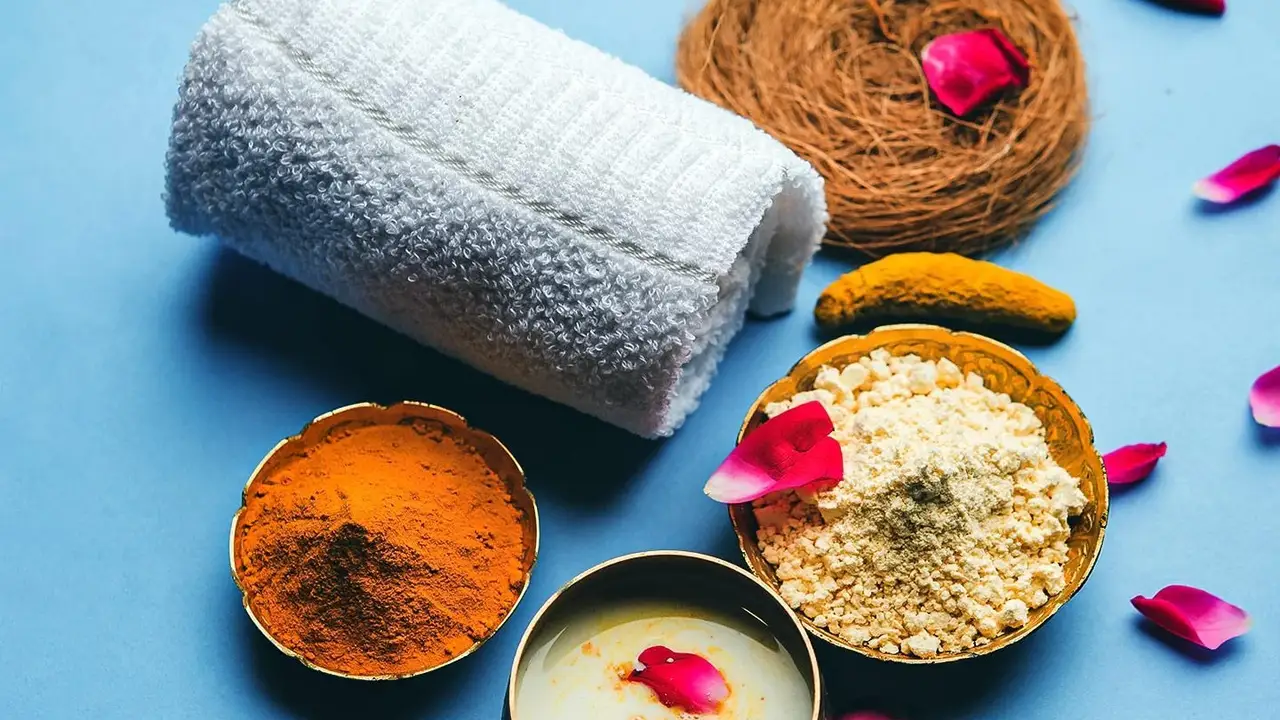
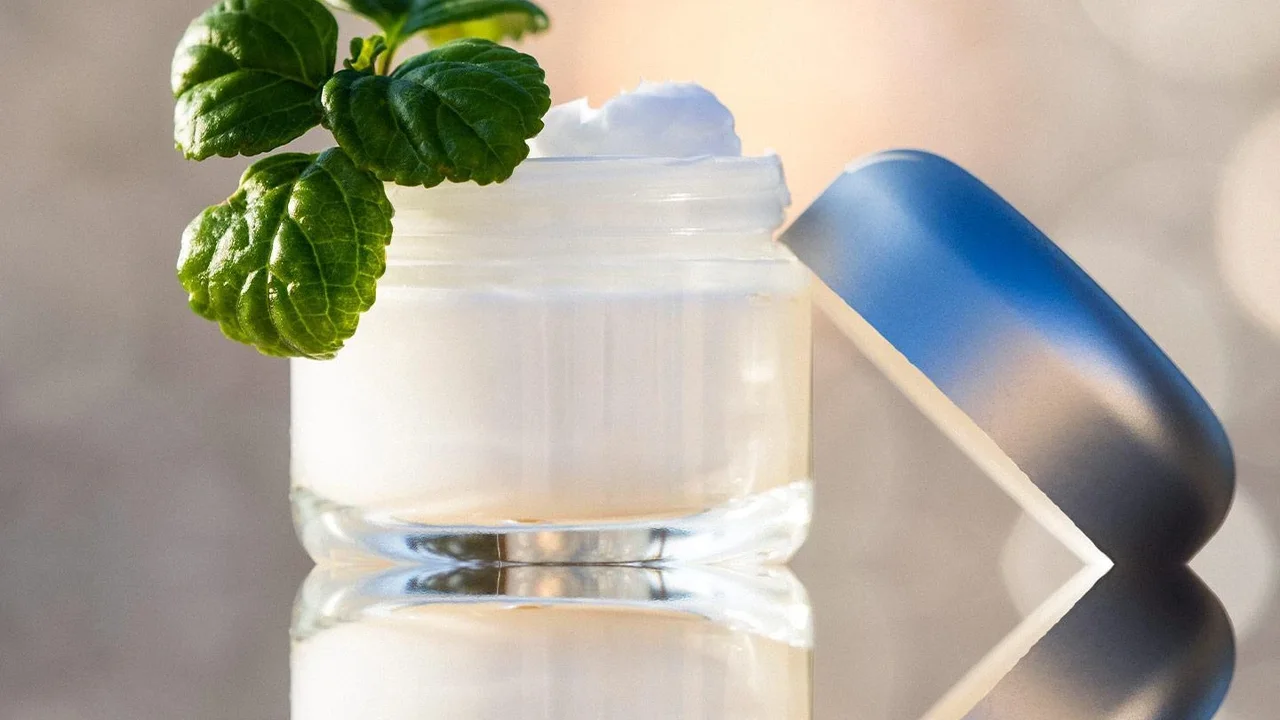
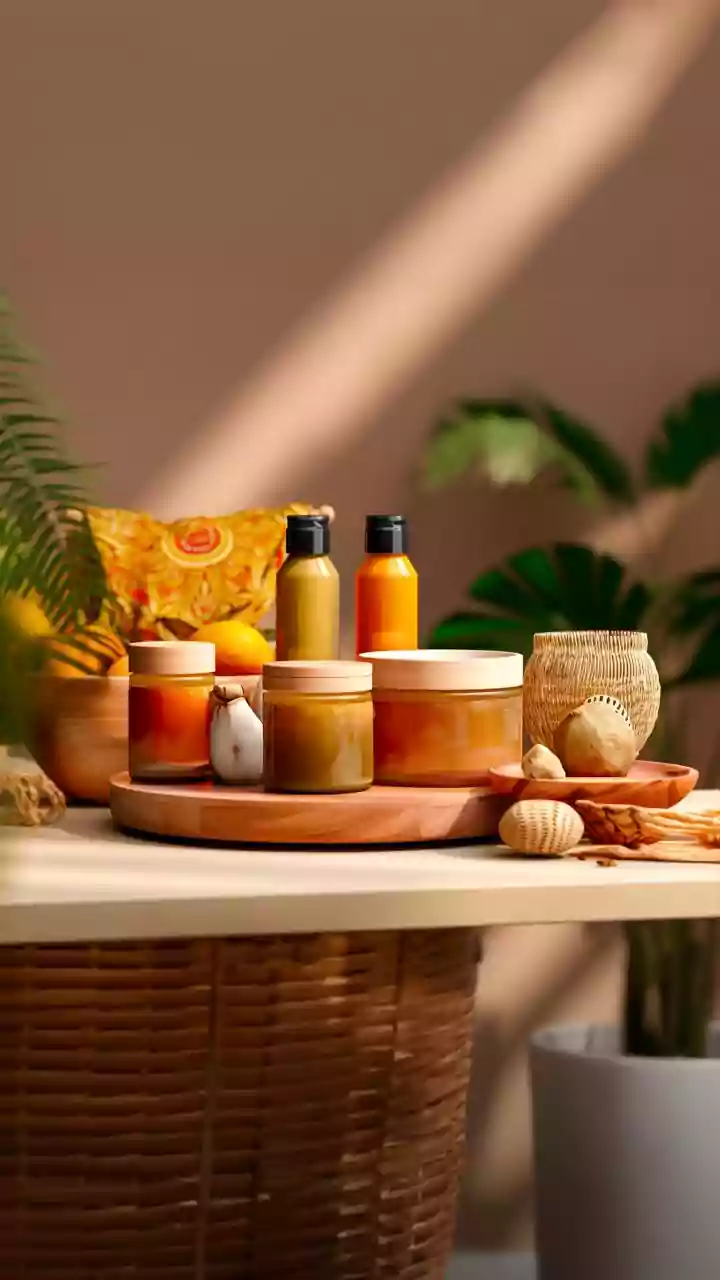
Beyond just scents and clever names, the trend also taps into the wellness movement's focus on natural ingredients. Many of these products highlight the inclusion of actual food-based components, like fruit extracts, coffee grounds, sugar, and various oils. This reflects a growing consumer belief that what we apply to our skin should be as thoughtfully chosen as what we eat. While the history of using food in beauty dates back centuries—think Cleopatra’s almond-based eyeliner—today’s trend often blurs the line between a cosmetic and a health product. However, it's important to note that while these ingredients can have benefits, the 'edible' theme is primarily a marketing angle rather than a guarantee of superior performance.
A Word of Caution
While the gourmand beauty trend is largely playful and harmless, it does raise one significant concern: safety. Products that look and smell like food can be dangerously appealing to young children, posing a risk of accidental ingestion. Regulations in some parts of the world specifically address the danger of products that can be confused with foodstuffs. As a consumer, it’s crucial to be mindful of this, storing these tempting products securely out of the reach of children. It’s also wise to remember that despite the 'natural' and 'food-grade' marketing, these products are formulated for external use only and should not be eaten.