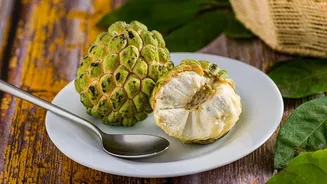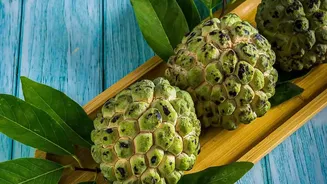


As the post-monsoon air settles, Indian fruit markets welcome a seasonal gem: the Sitaphal. This creamy, sweet custard apple offers a fleeting opportunity to transform classic desserts, and none wear its flavour quite so beautifully as Phirni.
The Allure of Seasonal Delights
There's
a special kind of joy in waiting for an ingredient's brief, glorious season. In India, the culinary calendar is marked by these arrivals, from summer's mangoes to winter's vibrant greens. Around August to November, the lumpy, green-skinned Sitaphal, or custard apple, makes its much-awaited appearance. This fruit, with its perfumed, pear-like sweetness and creamy texture, signals a time for unique desserts that simply can't be replicated any other time of year. While delicious on its own, Sitaphal's true potential shines when it is folded into traditional sweets, lending its distinct character to beloved recipes. One such perfect pairing is with Phirni, the classic North Indian rice pudding.
Understanding Phirni
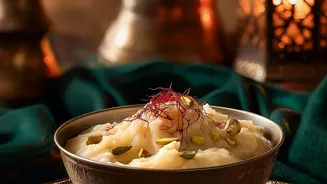
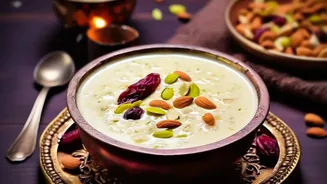
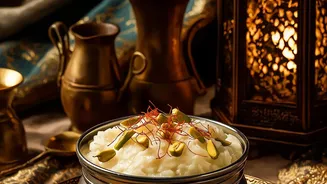
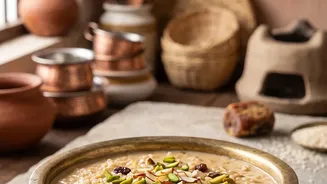
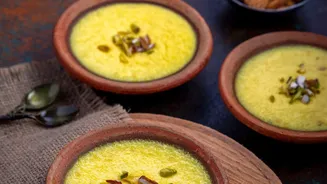
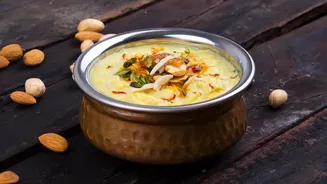
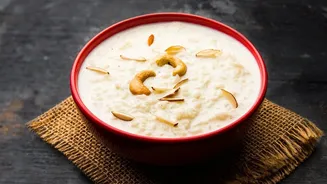
Phirni is a slow-cooked pudding made from ground rice, milk, and sugar, beloved for its delicately grainy yet creamy consistency. Unlike Kheer, which uses whole rice grains, Phirni is made with coarsely ground basmati rice, which releases starch to create a thick, smooth texture. Traditionally flavoured with cardamom or saffron and served chilled in earthenware bowls called 'shikoras', which absorb excess moisture and impart a subtle earthy aroma, Phirni is a dessert rooted in Mughal history and festive celebrations. Its simple, elegant base makes it the perfect canvas for seasonal additions, especially fruits with a creamy profile.
The Tedious but Rewarding Sitaphal
Anyone who has eaten a fresh Sitaphal knows the labour of love involved. The creamy white pulp clings to dozens of shiny black seeds, and separating them requires patience. The reward, however, is a pulp so fragrant and uniquely flavoured that it needs very little adulteration. A popular modern hack to simplify this process involves pulsing the scooped-out flesh in a food chopper for a few seconds at a time. This loosens the pulp from the seeds without crushing them, making them easy to pick out. Another method involves pushing the pulp through a sieve or a large-holed ladle. This effort is precisely what makes homemade Sitaphal desserts so special; it's a taste of the season, earned and savoured.
Recipe: How to Make Sitaphal Phirni
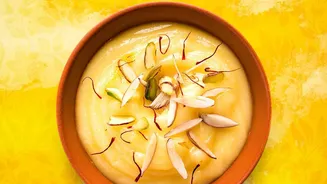
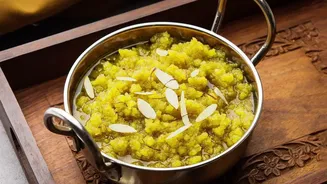
This recipe brings together the classic creaminess of Phirni with the fragrant sweetness of fresh custard apple pulp. Ingredients: - 1 litre full-fat milk - 1/4 cup Basmati rice, soaked for at least 30 minutes - 1/2 cup sugar (adjust to your taste and the sweetness of the fruit) - 1 cup fresh Sitaphal pulp, deseeded - 1/2 teaspoon green cardamom powder - Sliced pistachios and almonds for garnish Instructions: 1. Prepare the Rice: Drain the soaked rice completely and grind it into a coarse, grainy paste. You can use a splash of milk to help with grinding, but avoid making it too fine. 2. Cook the Phirni Base: In a heavy-bottomed pan, bring the milk to a boil. Once boiling, reduce the heat to low and add the ground rice paste, stirring continuously to prevent any lumps from forming. 3. Simmer and Thicken: Cook on low to medium heat for 15–20 minutes, stirring frequently. Scrape the sides of the pan to incorporate the cream back into the milk. The mixture will slowly thicken as the rice cooks. 4. Add Sweetness and Flavour: Once the rice is fully cooked and the mixture has a thick but still pourable consistency, stir in the sugar and cardamom powder. Cook for another 5 minutes until the sugar has completely dissolved. 5. Cool and Combine: Turn off the heat and let the Phirni cool down slightly. It's crucial not to add the fruit pulp to hot Phirni. Once it's warm, gently fold in the fresh Sitaphal pulp. 6. Set and Chill: Pour the Sitaphal Phirni into traditional earthenware bowls or any serving dish. Garnish with sliced pistachios and almonds. Refrigerate for at least 4–5 hours, or preferably overnight. The Phirni will thicken further as it chills.