






The Hidden Salt Problem
The World Health Organization recommends adults consume less than 5 grams of salt per day (about 2,000 mg of sodium). However, studies show that the average Indian adult consumes around 8 to 11 grams daily, nearly double the recommended limit. While home
cooking, pickles, and papads contribute to this, a significant portion comes from food prepared outside the home. Restaurants often use more salt than home cooks to enhance flavour, preserve ingredients, and meet customer expectations for a memorable taste experience. This isn't just about a heavy hand with the salt shaker; it's about 'salt stacking', where every single element on your plate brings its own significant sodium contribution.
Deconstructing a Salty Plate
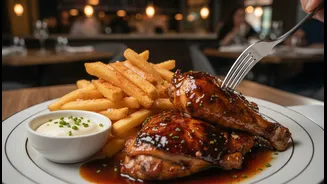
Consider a seemingly straightforward restaurant meal. It's not just one item but a collection of salty components. The protein, whether chicken or paneer, is likely marinated in a salt-based solution to keep it juicy. The accompanying sauce or gravy is a major source of sodium, designed for a powerful flavour punch. Even the seemingly innocent side dishes play a part. Steamed vegetables might be cooked in salted water, mashed potatoes are seasoned generously, and the bread served alongside could have between 100-200 mg of sodium per slice. Add to this the condiments like ketchup or chilli sauce, and a single entrée can easily contain a full day's worth of recommended sodium.
The Usual Suspects on the Menu
Certain types of cuisine and dishes are notoriously high in sodium. Rich North Indian curries, popular Indo-Chinese dishes with soy-based sauces, and Italian pastas with processed cheeses and cured meats are common culprits. Processed foods, from pizza to burgers, pack a heavy sodium punch. Soups are another surprising source, with a single serving sometimes containing a huge portion of your daily allowance. Even salads can become sodium-heavy once you add dressings, cheese, croutons, and olives. Being aware of these high-sodium categories can help you navigate the menu more effectively.
Smart Strategies for Dining Out
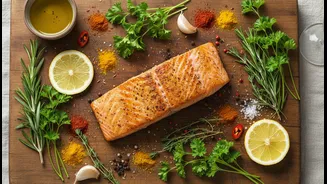
You don't have to give up eating out to manage your salt intake. Awareness and simple requests can make a big difference. Ask for sauces, dressings, and gravies to be served on the side, allowing you to control how much you use. Opt for dishes that are steamed, baked, or grilled rather than fried or served in a heavy sauce. Don't be shy about asking for your meal to be prepared with less or no added salt; many restaurants with made-to-order kitchens can accommodate this. Pay attention to your appetizers and drinks as well. Choose fresh fruit or a simple salad instead of a salty soup or fried starter. Lastly, taste your food before reaching for the salt shaker on the table—you'll likely find it's already seasoned enough.
Why It Matters for Your Health
Consistently consuming too much sodium can have serious long-term health consequences. It is a major risk factor for high blood pressure, which in turn increases the risk of heart disease and stroke. An excessive salt diet can also strain your kidneys, lead to fluid retention causing bloating and puffiness, and has been linked to conditions like osteoporosis and kidney stones. While our bodies do need some sodium to function, the amounts found in many restaurant and processed foods far exceed this need. By making more mindful choices, you are taking an important step in safeguarding your long-term health without sacrificing the social pleasure of a meal out.