





The Danger of Hot Surfaces
On a sunny day, common trail surfaces like rock, sand, and especially dark asphalt can become significantly hotter than the air. Pavement can be 40 to 60 degrees hotter than the ambient temperature, reaching levels that can cause severe injury. Studies
have shown that surfaces heated to 140°F (about 60°C) can cause second-degree burns in just a few seconds. This risk is particularly high for children, whose skin is more delicate, and for individuals with reduced sensation in their feet, such as those with diabetic neuropathy, who may not feel the damage until it's too late. A minor burn can quickly become a serious, slow-healing wound that is prone to infection.
When the Ground Gets Too Cold
The opposite extreme presents its own set of dangers. While many experienced barefooters build a tolerance for colder weather, human feet are not designed to withstand temperatures below freezing (0°C or 32°F) for extended periods. Prolonged contact with frozen or near-frozen ground can lead to frostbite, a serious injury where skin and underlying tissues freeze. The feet are especially vulnerable because the body reduces blood flow to extremities to conserve core heat, and wet conditions accelerate heat loss. Early signs of frostbite, or 'frostnip', include red, prickly skin and numbness. If ignored, this can progress to superficial or deep frostbite, causing blisters, tissue death, and potentially permanent damage. It's a risk that should never be underestimated, as once tissue is damaged by frostbite, it becomes more susceptible to future cold injuries.
How to Read the Terrain
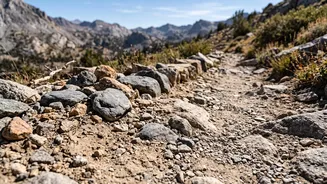
Assessing ground temperature is a non-negotiable skill for any barefoot hiker. The simplest method is to use your hand. If a surface feels too hot to comfortably hold your hand on for five to seven seconds, it's too hot for your feet. Be especially wary during the hottest parts of the day and on dark-coloured surfaces that absorb more solar radiation. For cold conditions, there's no single temperature threshold, as factors like moisture and wind chill play a huge role. A general guideline is to be cautious below 8°C (46°F), especially if the ground is wet. Pay close attention to your body's signals. If your feet start to feel numb, painfully cold, or lose sensation, it's time to get them off the cold ground and warmed up. Gradual acclimatisation through autumn can help build tolerance, but it cannot prevent frostbite at freezing temperatures.
Hike Smarter for Happy Feet
A little planning goes a long way in ensuring your barefoot adventures are safe and enjoyable. Time your hikes to avoid temperature extremes—head out in the early morning or late evening during hot months. Choose your route wisely. Shaded forest paths with soft earth or moss are much safer than exposed, rocky ridges or paved trails. When you encounter a surface you're unsure about, step lightly and be prepared to retreat. Most importantly, always carry a pair of lightweight backup shoes or sandals. This allows you to protect your feet on unexpectedly hazardous sections without having to abandon your hike. Listening to your feet and respecting the environment are the cornerstones of sustainable barefoot hiking.