






Swapping your mundane home office for the misty mountains of Sikkim is no longer a daydream. Gangtok is rapidly emerging as a haven for digital nomads, blending Himalayan serenity with the infrastructure you need to stay productive.
Why Gangtok is Your Next Workstation
Gangtok is transforming
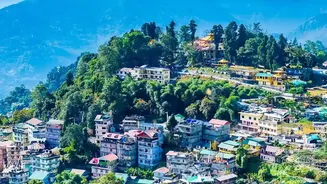
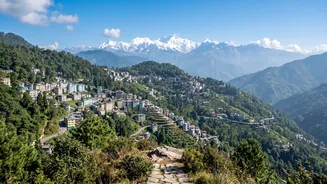
from a tourist hotspot into a viable destination for remote professionals. The appeal is clear: clean air, a peaceful environment, and the stunning backdrop of the Himalayas. This combination is perfect for those looking to escape city chaos while maintaining productivity. The town offers a unique work-life balance where you can start your day with a view of Kanchenjunga and end it exploring vibrant local markets. Moreover, the cost of living can be quite reasonable compared to major metropolitan cities. With a growing community of remote workers and entrepreneurs, the city provides not just scenery but also valuable networking opportunities. The best times to plan a workation are typically from March to June and September to November, when the weather is most pleasant.
Dedicated Co-working Spaces
For those who need a structured office environment, Gangtok is stepping up. The city now has dedicated co-working spaces designed for remote workers and travelling creatives. A prominent option is Sanctorum, touted as Gangtok's first official co-working space. Located conveniently in the Development Area, it offers fibre WiFi, private meeting rooms, and even a podcast studio. Amenities typically include high-speed internet, power backup, printing facilities, and unlimited coffee, ensuring your workflow remains uninterrupted. These hubs are more than just a desk; they are community centers where you can connect with like-minded individuals. Monthly memberships are available, making it a practical choice for longer stays.
Cafe Hopping for Productivity
If you prefer a more casual setting, Gangtok’s cafe culture will not disappoint. Many cafes cater to the work-from-anywhere crowd, offering good Wi-Fi, charging points, and an inspiring ambiance. Baker's Cafe on the famous MG Marg is a traveler favorite, known for its pastries, coffee, and a window seat with great views of the bustling street. For a quieter vibe with stunning mountain views, Queen's Pod is highly recommended. Other notable mentions include The Local Cafe, celebrated for its homemade cakes and cozy atmosphere, and Cafe Fiction, which offers a strong espresso and a diverse menu. Many of these spots are centrally located, making it easy to blend work with exploration.
Getting Connected: Broadband and Mobile Internet
A reliable internet connection is non-negotiable for any remote worker, and Gangtok delivers. Major national providers like JioFiber, Airtel Xstream Fiber, and Tata Play offer high-speed fibre broadband services across the city, with speeds reaching up to 1 Gbps. These providers ensure stable connectivity, which is crucial for video calls and large file transfers. Installation is typically quick, often completed within 48 hours. For mobile connectivity, Airtel and Jio offer dependable 4G services that work well in the main city areas. While broadband is reliable in Gangtok itself, it's always wise to have a mobile hotspot as a backup, especially if you plan to explore more remote areas where connectivity can be sporadic.
Beyond the City: The Rise of Digital Nomad Villages
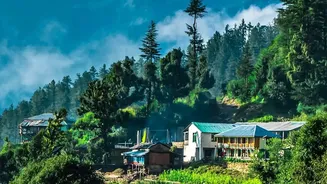
The remote work trend in Sikkim is expanding beyond Gangtok. The nearby village of Yakten, for instance, has been declared the state's first 'digital nomad village'. Located about 30 kilometers from Gangtok, it is being developed with reliable high-speed internet and work-friendly homestays to cater specifically to remote professionals. This initiative aims to blend productivity with authentic local experiences, offering a tranquil alternative to the city. These emerging hubs provide an opportunity to live and work in a community-focused environment, surrounded by nature but equipped with the necessary digital infrastructure. This signals a broader shift in the region towards sustainable tourism that supports the digital economy.