




The Golden Power of Turmeric
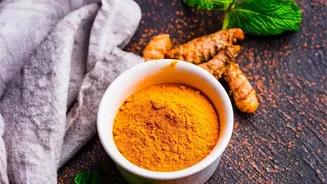
Turmeric, the vibrant yellow spice that gives curry its characteristic colour, has been a cornerstone of Ayurvedic medicine for centuries. Its power lies in its main active compound, curcumin, which is known for its potent anti-inflammatory and antioxidant
properties. Inflammation is a natural bodily process, but chronic inflammation can contribute to a variety of health issues. By helping to manage this, turmeric supports overall well-being. Additionally, as an antioxidant, it helps protect the body from free radicals, unstable molecules that can cause cellular damage. Traditionally, turmeric has been used to bolster the immune system, support liver function, and even promote healthy, radiant skin. Its warming nature is believed to stimulate digestion and circulation, making it a valued ingredient for holistic health.
The Warming Wonder of Ginger
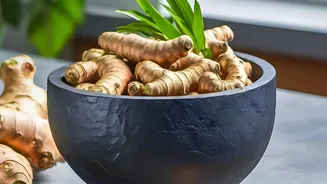
Ginger is another powerful rhizome, celebrated for its spicy, warming kick and extensive health benefits. For generations, it has been a go-to remedy for digestive issues, helping to soothe the stomach, reduce bloating, and improve overall digestion. Its active compound, gingerol, is responsible for much of its medicinal prowess, including its anti-inflammatory and antimicrobial effects. These properties make ginger a popular choice during cold and flu season, as it can help the body fend off pathogens and provide comfort. In Ayurvedic tradition, ginger is considered a 'universal medicine' for its wide-ranging benefits. It's known to enhance circulation, which helps warm the body from the inside out, making a hot ginger infusion a perfect choice on a chilly day or when you're feeling under the weather.
The Queen of Herbs: Tulsi (Holy Basil)
Tulsi, or Holy Basil, holds a sacred place in Indian culture and Ayurvedic healing, where it is revered as the 'Queen of Herbs'. Unlike turmeric and ginger, which are primarily known for their physical benefits, tulsi is celebrated as an adaptogen. Adaptogenic herbs help the body adapt to stress and promote mental balance. In today's fast-paced world, managing stress is a key component of maintaining a strong immune system. Tulsi has been shown to have immunomodulatory effects, meaning it helps regulate and support the immune system's response. It is also rich in antioxidants and is traditionally used to support respiratory health, making it a valuable ally for clearing congestion and maintaining healthy lungs. Its calming properties can help soothe the mind while fortifying the body.
Creating Your Daily Power Infusion
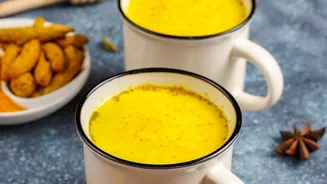
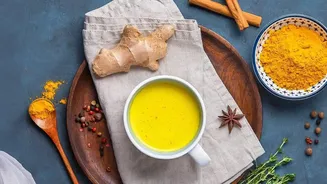
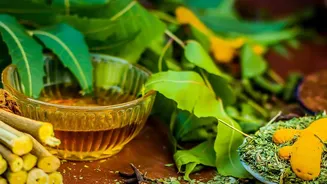
Making a healing tea from these three ingredients is incredibly simple and can easily become a cherished daily ritual. This basic recipe can be adjusted to your personal taste and needs. Ingredients: - 2 cups of water - 1-inch piece of fresh ginger, grated or thinly sliced (or 1/2 teaspoon dried ginger powder) - 1-inch piece of fresh turmeric, grated (or 1/2 teaspoon turmeric powder) - 8-10 fresh tulsi leaves (or 1 teaspoon dried tulsi) - Optional: 1 teaspoon honey, a squeeze of fresh lemon, a pinch of black pepper. Instructions: 1. Bring the water to a boil in a small saucepan. 2. Add the grated ginger and turmeric to the boiling water. If using dried powders, you can add them here as well. 3. Reduce the heat and let the mixture simmer gently for 5-10 minutes. This allows the compounds to infuse into the water. 4. Add the tulsi leaves and simmer for another 2 minutes. 5. Remove the saucepan from the heat, cover it, and let it steep for a few more minutes to deepen the flavour. 6. Strain the infusion into a mug. If you wish, add a squeeze of lemon or a teaspoon of honey once it has cooled slightly.
Tips for the Perfect Brew
To get the most out of your natural infusion, consider a few simple tips. Whenever possible, use fresh ginger and turmeric root for a more vibrant flavour and potent effect. If you're using dried turmeric powder, add a small pinch of black pepper to your brew. Black pepper contains piperine, a compound that has been shown to significantly increase the bioavailability of curcumin, making it easier for your body to absorb. Don't add honey to boiling hot water, as high heat can diminish its natural beneficial properties; wait until the tea has cooled to a drinkable temperature. Feel free to experiment by adding other warming spices like a cinnamon stick or a few cloves to the simmering water for extra flavour and benefits.