


Why Monsoon Gardening Can Be Tricky
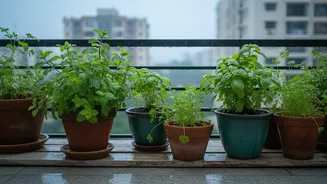
The Indian monsoon, while a relief from summer heat, presents unique challenges for potted plants. The biggest enemy is waterlogging. Constant rain can saturate the soil, leaving no room for air, which suffocates the roots and leads to root rot. This
is often the primary reason beginner balcony gardens fail during this season. High humidity also creates a welcoming environment for fungal diseases and pests like snails and slugs. Furthermore, persistent cloudy skies mean less sunlight, which can cause plants to become weak and stretched. Many gardeners make the mistake of sticking to their summer watering schedule, accidentally overwatering plants that are already receiving plenty from the sky.
The Secret to Success: Drainage and Soil
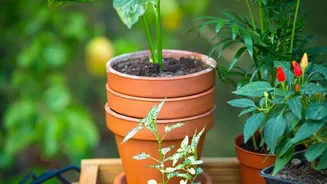
Before you even choose a plant, your success depends on the setup. The single most important rule for monsoon container gardening is to ensure excellent drainage. Every pot must have drainage holes at the bottom, and it's wise to check they aren't blocked. Elevating pots on stands or bricks can also help excess water drain away freely. The soil itself needs to be light and well-aerating. Instead of using heavy garden soil alone, create a mix using potting soil, compost, and something to improve drainage like coco peat or sand. This type of mix holds moisture without becoming a soggy, compacted mess.
Mint (Pudina)
Perhaps the most forgiving herb for a beginner, mint loves the consistently moist conditions of the monsoon. It thrives in partial shade, which is common on balconies during cloudy, rainy days. Its runners spread rapidly, so it's best grown in its own wide container to control its enthusiastic growth. Regular harvesting is key; pinching off the top leaves and stems encourages the plant to become bushier and more productive. This ensures you have a fresh, steady supply for chutneys, raitas, and refreshing cups of tea throughout the season. Just be careful not to let the pot sit in a saucer full of water.
Holy Basil (Tulsi)
A staple in many Indian households, Tulsi is a resilient plant that adapts well to pots. While it loves sunlight, it can manage with the four to six hours of indirect bright light typical of a monsoon-era balcony. The key to keeping Tulsi healthy during the rains is to avoid overwatering; only water when the top inch of the soil feels dry to the touch. It's crucial to regularly pinch off its flowering heads (manjiri). This directs the plant's energy towards producing more of its aromatic and medicinal leaves, rather than seeds, prolonging its life and ensuring a lush plant.
Lemongrass
With its graceful, arching leaves and distinct citrusy fragrance, lemongrass is another excellent choice for a rainy season garden. It loves water and sun but is surprisingly tolerant of the intermittent sunlight during the monsoon. Grown in a large, deep pot to accommodate its root system, it can form a beautiful, dense clump. The key is to ensure the pot has excellent drainage to prevent the roots from sitting in water, which it dislikes despite being a water-lover. You can harvest it by cutting stalks from the base of the plant once they are about half an inch thick, perfect for adding a fresh, zesty flavour to teas and soups.
Indian Borage (Ajwain)
Not to be confused with the plant that produces ajwain seeds, this herb has thick, fleshy, and highly aromatic leaves. Indian Borage is exceptionally easy to grow and loves the humid, moist conditions of the monsoon. Its succulent-like leaves hold water, making it quite forgiving if you forget to water on a rare dry day. It grows quickly from cuttings and prefers a spot with partial shade. The leaves have a strong flavour, reminiscent of carom seeds, and are often used in home remedies for coughs and colds—a handy plant to have around during the season of sniffles.