

The Red Planet’s Weather Problem
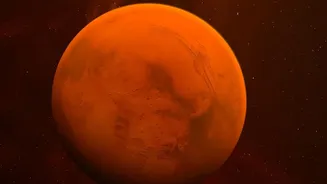
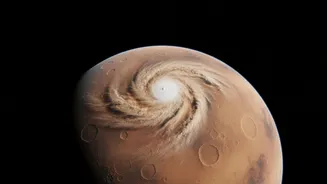
Mars might seem quiet from a distance, but it has a weather problem: dust. Martian dust storms are unlike anything on Earth. They can range from localized squalls to colossal, planet-engulfing events that blot out the sun for weeks or even months. These
storms are most common during the southern hemisphere's spring and summer, when Mars is closest to the sun in its orbit. The increased solar heating warms the surface, creating temperature differences that drive powerful winds. Once dust is lifted into the thin atmosphere, it absorbs sunlight, warming the air around it and creating a feedback loop that can escalate a local event into a global catastrophe. Scientists are still working to understand exactly why some storms grow to this immense scale while others do not.
An Eye in the Martian Sky
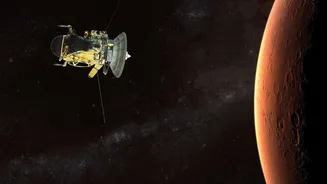
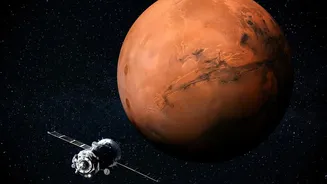
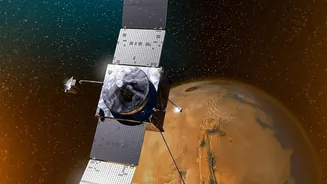
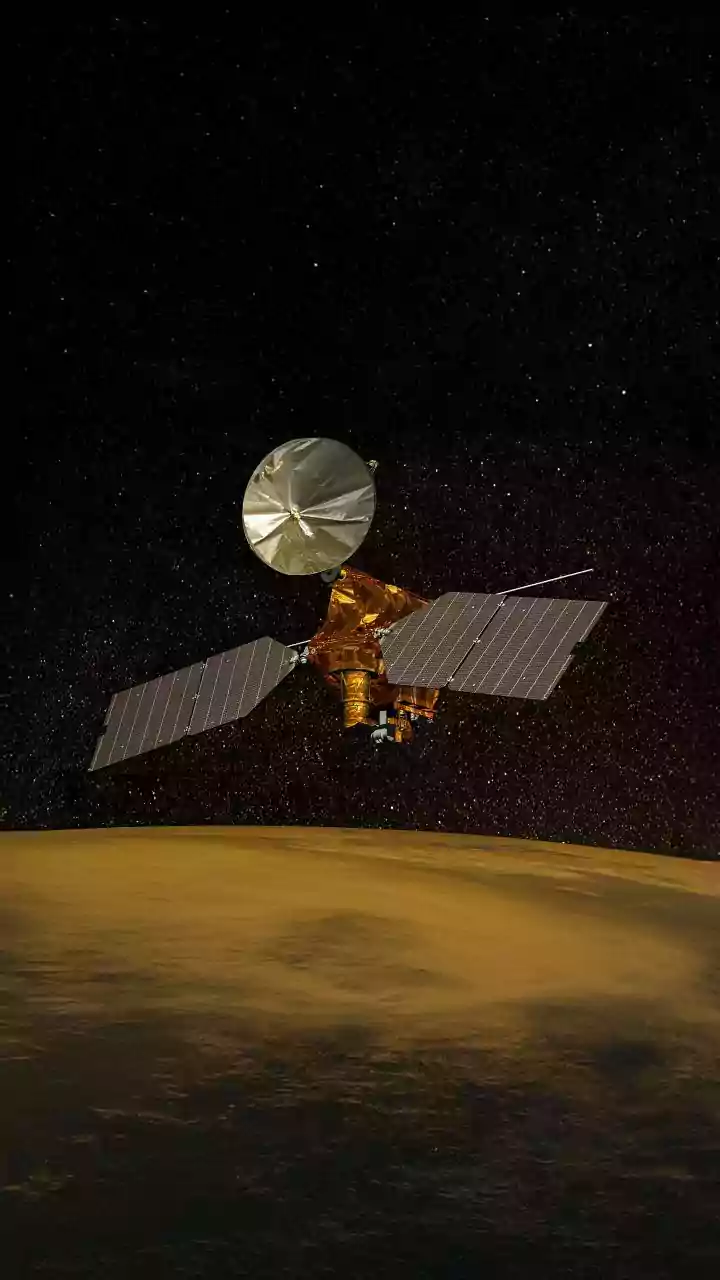
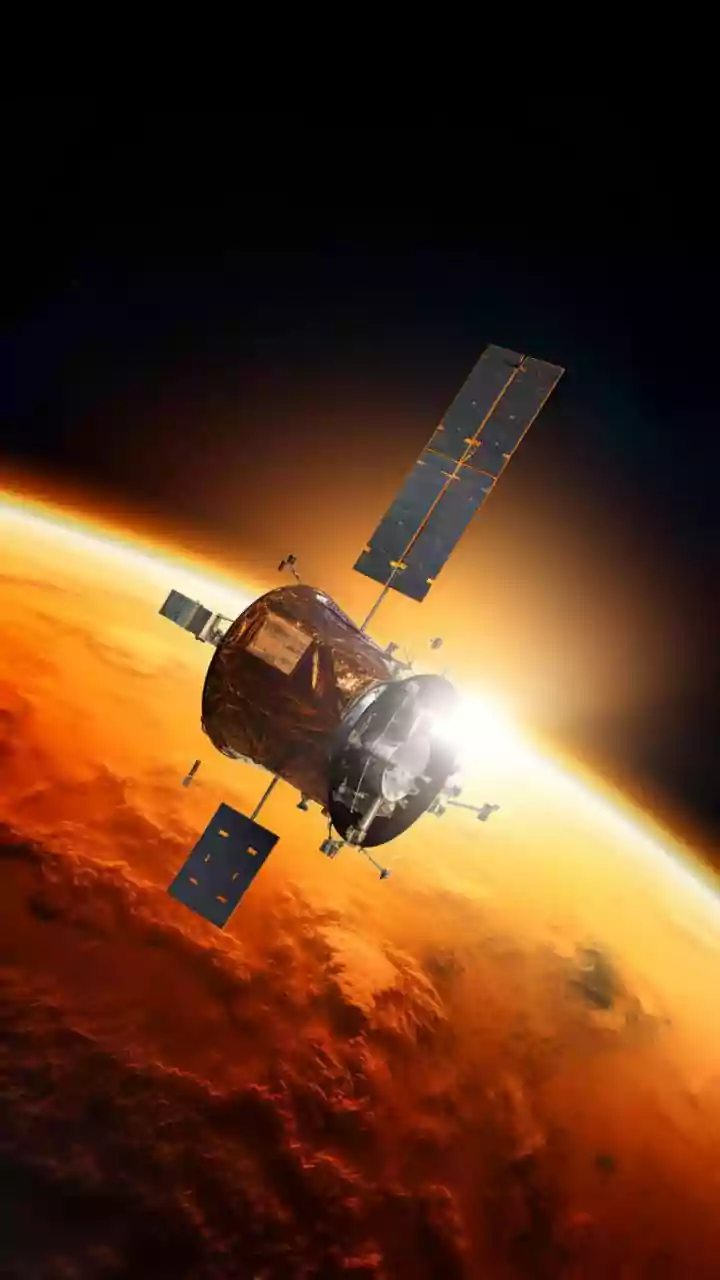
Forecasting this turbulent weather requires a dedicated observer. That job falls to a fleet of orbiters, most notably NASA’s Mars Reconnaissance Orbiter (MRO). MRO is equipped with a suite of powerful instruments, but its Mars Color Imager (MARCI) is the key to daily weather tracking. MARCI functions as a global weather camera, capturing a complete map of the planet every single day. This allows scientists to watch the birth, growth, and evolution of dust storms in near-real time. By observing where and when storms begin, they can identify dust-rich source regions and begin to piece together the complex puzzle of Martian meteorology. This continuous monitoring provides a long-term record of atmospheric changes, crucial for building predictive models.
A Cautionary Tale from the Surface
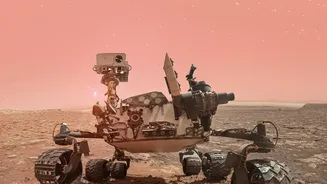
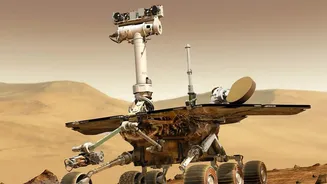
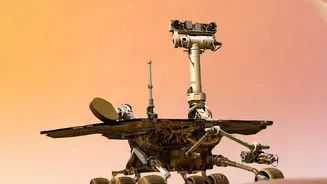
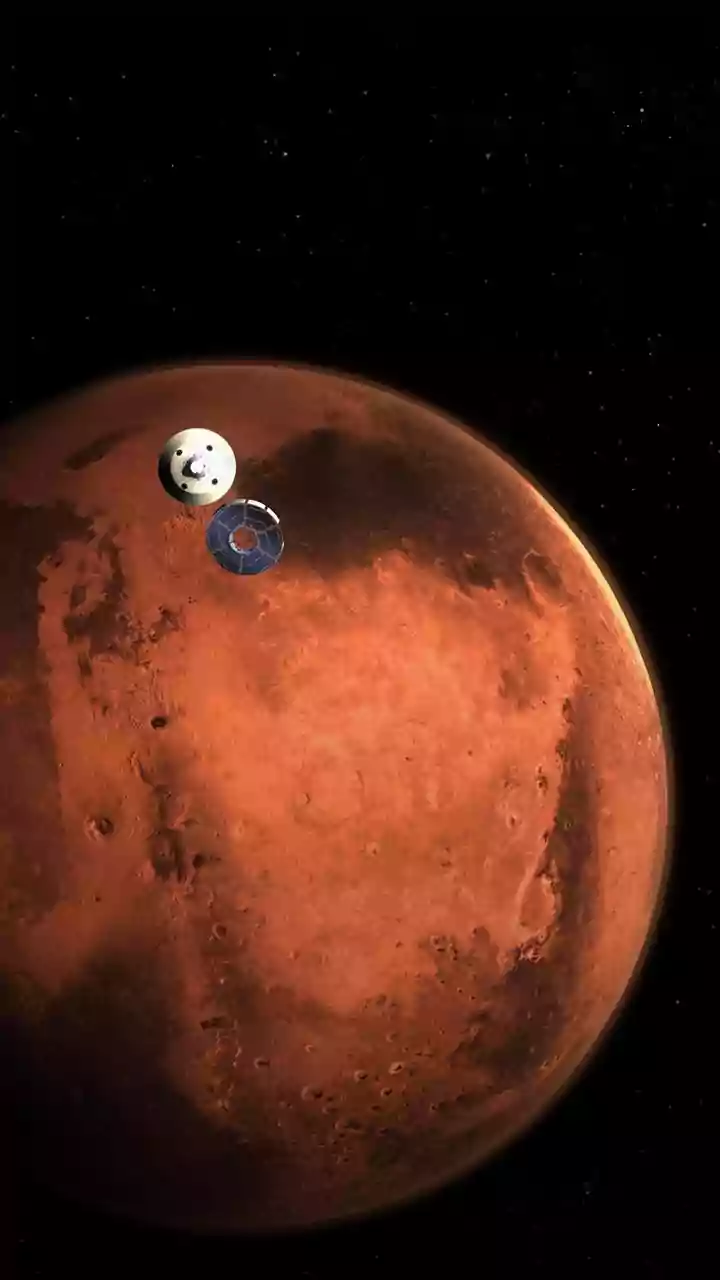
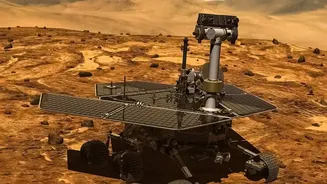
The critical importance of this orbital surveillance was tragically demonstrated by the fate of NASA’s Opportunity rover. Designed for a 90-day mission, the solar-powered rover soldiered on for an incredible 15 years. Its remarkable journey came to an end in 2018 when a planet-encircling dust storm developed. First spotted by the MRO, the storm rapidly grew, plunging Opportunity's location into darkness. The thick dust in the atmosphere blocked 99% of the sunlight, preventing the rover's solar panels from generating power. Opportunity was forced into hibernation to conserve energy, but it never woke up. The storm that ended its mission serves as a stark reminder of the dangers that future missions—especially those relying on solar power—will face.
From Data to Dependable Forecasts
The data gathered by MARCI and other instruments is about more than just watching storms; it’s about learning to predict them. Scientists feed the daily maps and temperature readings into complex global circulation models, similar to those used for weather forecasting on Earth. By comparing the models' predictions with what actually happens, they can refine their understanding of how the Martian atmosphere works. The goal is to create reliable short-term and seasonal forecasts. For robotic missions, this could mean knowing when to hunker down and conserve power. For future human missions, the stakes are far higher. A reliable weather forecast would be essential for planning extravehicular activities, protecting habitats from invasive dust, and ensuring the overall safety of the crew.
Protecting a Human Footprint on Mars
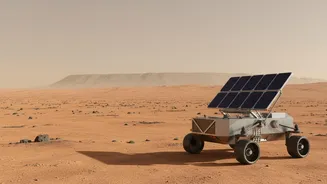
When astronauts finally set foot on Mars, dust will be more than an inconvenience; it will be a significant hazard. The fine, abrasive, and potentially toxic particles can damage spacesuits, clog air filters, and pose a serious respiratory risk if inhaled. Knowing a major dust storm is coming would be as critical to a Mars crew as a hurricane warning is to a coastal community on Earth. The work being done by orbiters today is laying the foundation for the operational weather systems of tomorrow. By understanding the seasonal dynamics and tracking storm development from orbit, we can give future explorers the one tool they will absolutely need to survive on the Red Planet: a reliable forecast.