



The Great Monsoon Myth
It’s a common mistake to think the humid, moisture-filled air during the monsoon is enough to keep your skin hydrated. While your skin might feel damp or even oily, this is often a sign of imbalance, not health. High humidity slows the evaporation of sweat,
which can mix with your skin's natural oils (sebum) and create a sticky film that clogs pores and leads to breakouts. Paradoxically, this constantly damp environment can actually dehydrate your skin underneath the surface. The humidity can disrupt your skin's protective barrier, leading to increased water loss and a complexion that feels both oily and tight at the same time. Skipping moisturiser is one of the most common mistakes, as it can cause the skin to overcompensate by producing even more oil.
Why Heavy Creams Often Backfire
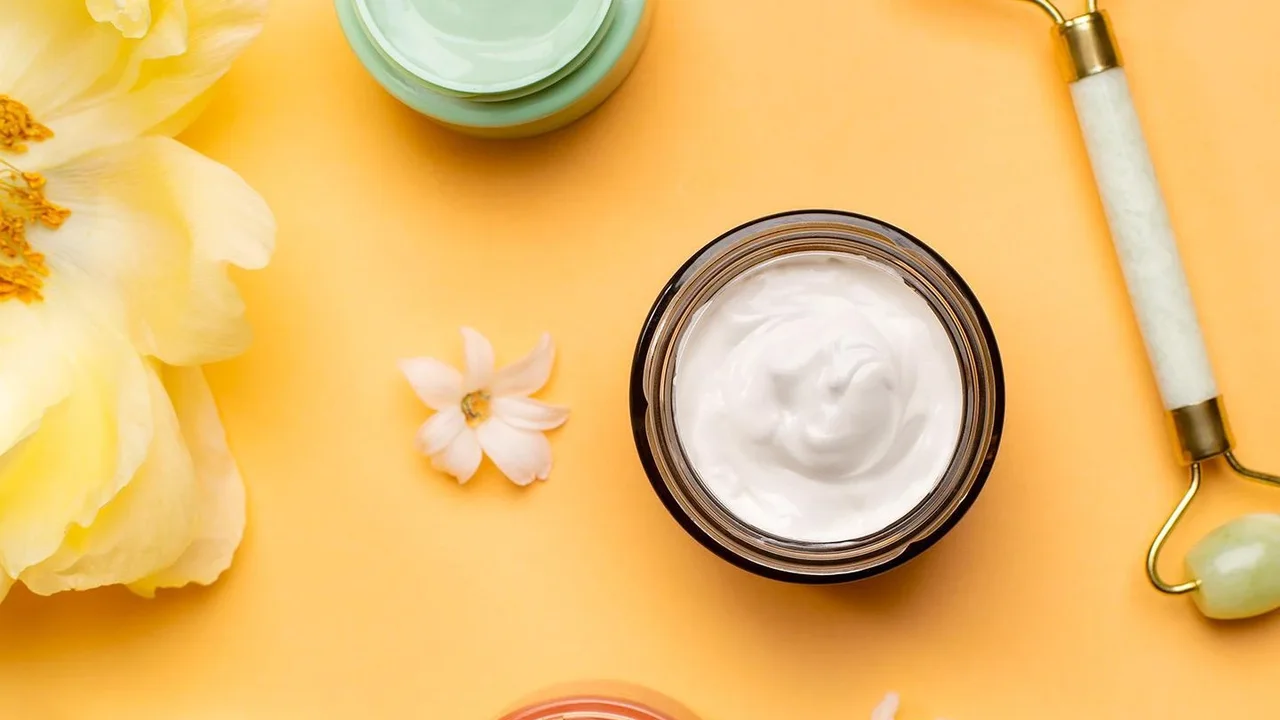
That rich, thick cream you loved during the dry winter months is likely your skin's enemy during the monsoon. Heavy, occlusive moisturisers are designed to create a physical barrier to prevent moisture loss. In a high-humidity environment, this barrier can trap sweat, oil, and bacteria, leading to clogged pores, blackheads, and acne. The goal in humid weather is to hydrate the skin intelligently, not suffocate it. Heavy formulas can feel uncomfortable, make your face look greasy, and cause makeup to slide off. Instead of nourishing your skin, they can contribute to the very problems you're trying to avoid.
Your New Hydration Heroes
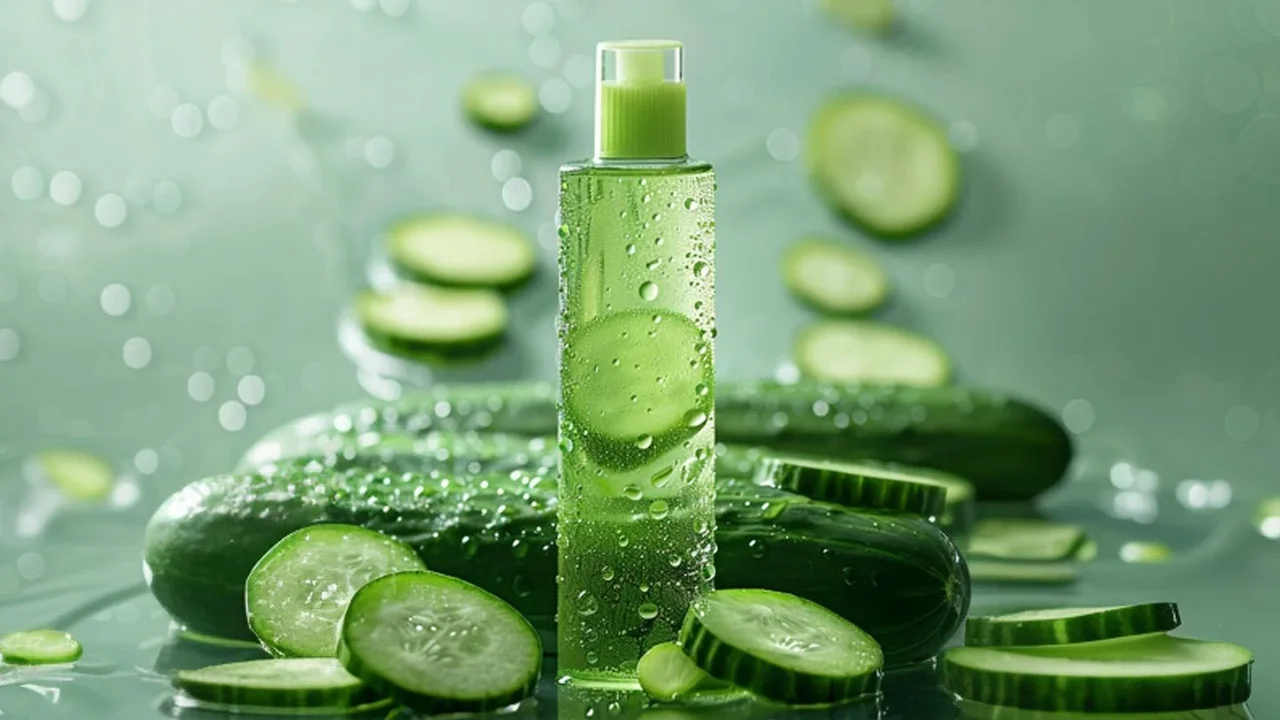
To achieve balanced, hydrated skin during the monsoon, focus on lightweight ingredients that deliver water-based moisture without the weight. Gel-based or water-based moisturisers are your best friends this season. Look for products containing humectants, which are ingredients that attract and bind water to the skin. Key ingredients to search for include Hyaluronic Acid, a powerhouse that can hold many times its weight in water, providing plumpness without a greasy feel. Glycerin is another effective humectant that helps keep skin moisturised. Niacinamide is a fantastic multi-tasker for monsoon skin; it helps regulate oil production, refine pores, and support the skin barrier. Finally, ingredients like ceramides help to repair and reinforce your skin’s natural barrier, locking in moisture effectively without adding heaviness.
Master the Art of Smart Layering
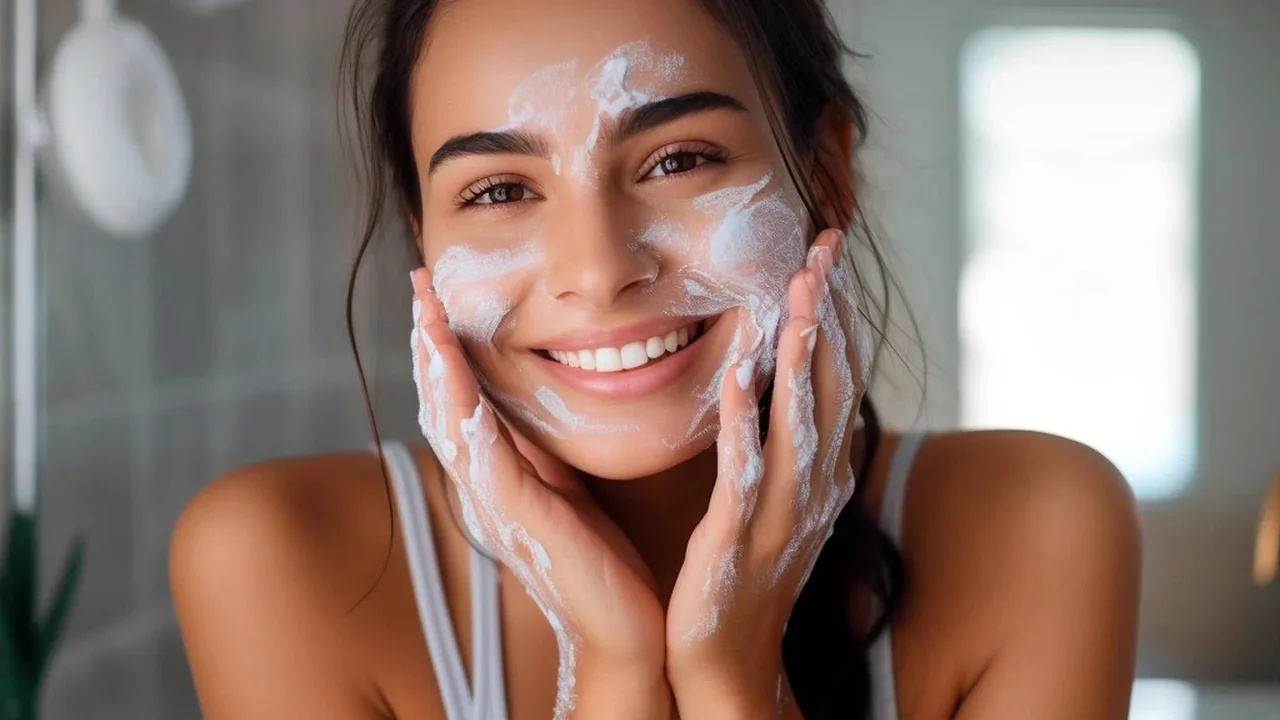
Instead of relying on one thick product, the key to monsoon skincare is smart, lightweight layering. Start your routine with a gentle, pH-balanced cleanser that removes grime without stripping your skin's natural oils. Over-cleansing can damage the skin barrier and trigger more oil production. After cleansing, apply a hydrating serum containing ingredients like hyaluronic acid to slightly damp skin to maximize its water-binding effects. Follow this with a lightweight, non-comedogenic moisturiser with a gel or gel-cream texture. This approach delivers hydration in thin, breathable layers that are absorbed easily and won't feel suffocating in the humidity. And remember, even on cloudy days, UV rays can penetrate and cause damage, so always finish with a non-greasy, broad-spectrum sunscreen.